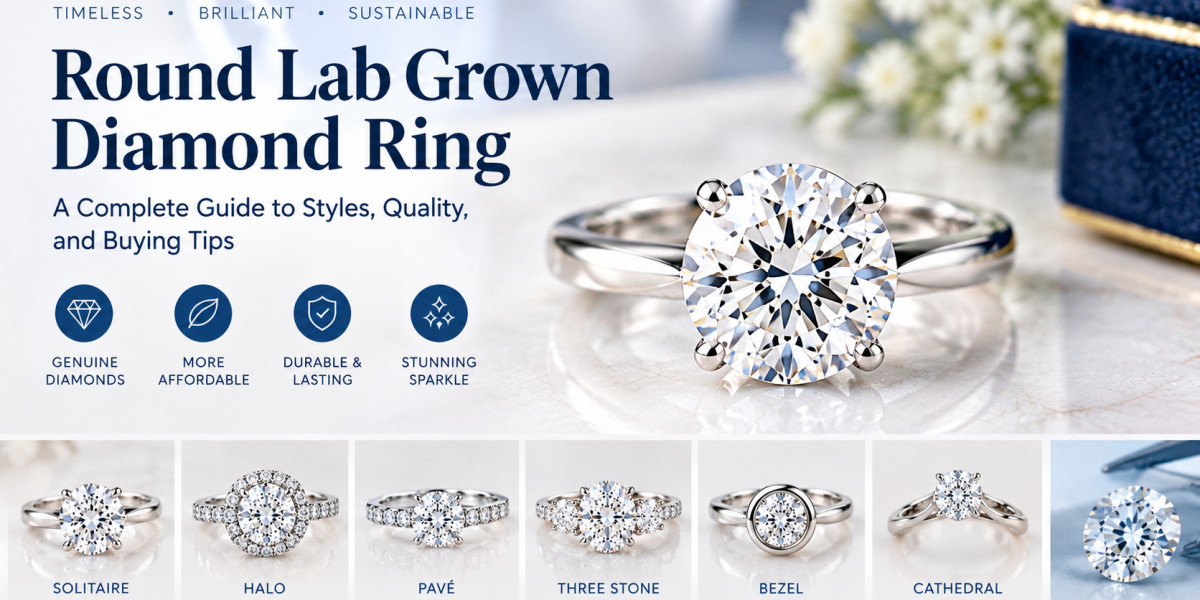

A round lab grown diamond ring is a timeless jewellery choice known for its brilliant sparkle, balanced shape, and versatile design. Featuring a round brilliant diamond created in a specialised laboratory, this ring offers the beauty and essential material properties of a genuine diamond without the geological origin of a mined stone. From classic solitaire settings to elegant halo designs and modern pavé bands, round lab grown diamond rings suit a wide range of personal styles and budgets. Understanding diamond quality, setting options, precious metals, and pricing can help you choose a ring that complements your preferences and makes a meaningful addition to your jewellery collection.
What Is a Round Lab Grown Diamond Ring?
A round lab grown diamond ring features a circular diamond produced using advanced laboratory technology. The round brilliant cut typically has 57 or 58 facets, depending on whether the culet is counted, arranged to help maximise light return and create the familiar sparkle associated with diamond jewellery.
Lab-grown diamonds have essentially the same chemical composition and crystal structure as natural diamonds. Their main difference is how they form: natural diamonds develop through geological processes, while lab-grown diamonds are created in controlled laboratory environments.
Round diamonds are popular because their symmetrical shape works with many ring settings, from understated solitaire designs to elaborate engagement rings featuring additional diamonds.
Why Choose a Round Lab Grown Diamond Ring?
Round diamonds remain a popular choice for engagement rings because they combine classic styling with strong brilliance. Their familiar shape also makes it easier to find a setting that suits your preferences.
Some key benefits include:
Brilliant sparkle: A well-cut round brilliant diamond can return light effectively, creating noticeable brightness and fire.
Timeless appearance: The circular shape works with both traditional and contemporary jewellery designs.
Versatile settings: Round diamonds suit solitaire, halo, pavé, three-stone, and bezel settings.
Potential cost savings: Lab-grown diamonds often cost less than comparable natural diamonds, depending on their specifications and the retailer.
Flexible design choices: Buyers can explore different carat weights, metal colours, band styles, and setting heights.
The best choice depends on your budget, desired appearance, and the quality of the individual diamond.
What Makes the Round Brilliant Cut Special?
The round brilliant cut is designed to balance proportions, symmetry, and light performance. When light enters a well-cut diamond, it can reflect internally and return through the crown, producing brightness, flashes of colour, and contrasting patterns of light and dark.
These visual effects are often described as brilliance, fire, and scintillation. Brilliance refers to white light reflected from the diamond, fire describes flashes of spectral colour, and scintillation refers to the sparkle visible as the diamond or viewer moves.
Cut quality is especially important for round diamonds because differences in proportions and facet alignment can noticeably affect their appearance. Rather than choosing a diamond based on carat weight alone, compare its cut grade, symmetry, polish, and overall light performance.
Which Setting Styles Are Best for Round Lab Grown Diamond Rings?
The setting affects the ring's appearance, comfort, and ability to protect the diamond. Several styles work particularly well with round brilliant stones.
Solitaire Setting
A solitaire setting features one centre diamond without additional side stones. It creates a clean, classic appearance and keeps attention on the diamond's cut and brilliance. Four-prong and six-prong designs are both popular options.
Halo Setting
A halo setting surrounds the centre diamond with smaller accent stones. This creates additional sparkle and can make the centre stone appear larger from the top view. Buyers should check that the accent stones are securely set and that the design is comfortable for everyday wear.
Pavé Setting
A pavé band contains small diamonds set closely together along part of the ring's surface. The extra stones create a continuous sparkling effect that complements the centre diamond. This style may require more careful cleaning and periodic inspection.
Three-Stone Setting
A three-stone ring places a round centre diamond between two side stones. The side stones may be round or shaped differently to create contrast. This design can have personal significance, with the stones often representing the past, present, and future.
Bezel Setting
A bezel setting surrounds the diamond's edge with a rim of metal. It offers a modern, streamlined appearance and can provide useful protection around the stone's perimeter. However, the metal covers part of the diamond's outline.
Cathedral Setting
A cathedral setting uses raised shoulders that sweep upwards towards the centre diamond. It creates an elevated profile and can give a solitaire ring a traditional, elegant appearance.
How Do You Choose the Right Carat Weight?
Carat weight measures a diamond's weight rather than its exact visible diameter. Two round diamonds with the same carat weight can look slightly different because of their proportions, depth, and cutting style.
Your ideal carat weight depends on your budget, preferred appearance, finger size, and the ring's setting. A smaller, well-cut diamond may offer impressive sparkle, while a larger stone creates a more prominent centrepiece.
When comparing round diamonds, consider:
The diamond's carat weight and measured diameter.
Its cut quality and light performance.
How high the diamond sits above the band.
Whether the ring's proportions look balanced on your hand.
How the total price fits your budget.
Avoid assuming that a higher carat weight automatically means a more attractive diamond. A well-proportioned stone with strong light performance may be a better choice than a heavier diamond with less appealing visual characteristics.
What Are the 4Cs of Round Lab Grown Diamonds?
The 4Cs—cut, colour, clarity, and carat weight—provide a useful framework for comparing diamond quality.
Cut
Cut is one of the most important considerations for a round brilliant diamond because it strongly influences sparkle. Review the cut grade on an independent grading report when available, and compare diamonds visually under consistent lighting.
Colour
Colour grading measures the degree of colour visible in a diamond under standardised conditions. Near-colourless grades are popular for round diamonds, although slightly warmer stones may complement yellow or rose gold settings.
Consider how the diamond looks alongside the chosen metal instead of selecting a grade without considering the finished ring.
Clarity
Clarity describes internal inclusions and external blemishes. Higher grades generally indicate fewer or less noticeable characteristics, but a diamond with a lower clarity grade can still appear clean to the naked eye.
Compare the stone at an appropriate viewing distance and review its grading documentation. Paying for a very high clarity grade may not be necessary if the visual difference is difficult to notice.
Carat Weight
Carat weight helps describe the diamond's size category, but it should be considered alongside the diameter and proportions. Compare actual measurements to understand how much of the finger the diamond is likely to cover.
Balancing all four factors can help you find a stone that looks attractive without overspending on a specification that makes little visible difference.
Which Metal Is Best for a Round Diamond Ring?
The metal influences the ring's colour, durability, maintenance, and overall appearance.
Platinum: A naturally white precious metal known for durability and suitability for fine jewellery.
White gold: Offers a bright, silvery appearance and may require periodic rhodium plating, depending on the finish.
Yellow gold: Creates a warm contrast with a colourless round diamond and suits traditional designs.
Rose gold: Provides a pinkish tone for buyers who prefer a distinctive, romantic appearance.
Choose a metal that complements your skin tone, existing jewellery, and everyday activities. The setting's construction is equally important because secure prongs and a well-made band help protect the diamond during regular wear.
Are Round Lab Grown Diamonds Real Diamonds?
Yes. Lab-grown diamonds are genuine diamonds with essentially the same chemical composition, crystal structure, and fundamental optical properties as natural diamonds. The main difference is their origin: lab-grown diamonds are created using specialised technology, whereas natural diamonds form through geological processes.
They are different from diamond simulants such as cubic zirconia and moissanite, which may resemble diamonds but have different material properties.
When purchasing a ring, check that the seller clearly identifies the diamond as lab-grown. If an independent grading report is provided, review its details and confirm that it corresponds to the stone being sold.
How Much Does a Round Lab Grown Diamond Ring Cost?
The price depends on the diamond's carat weight, cut, colour, clarity, setting, metal, craftsmanship, and retailer. Lab-grown diamonds often cost less than comparable natural diamonds, but prices can vary considerably between products.
A larger round diamond with a high cut grade in a platinum setting will generally cost more than a smaller stone in a simple gold setting.
Before making a purchase, compare:
The diamond's grading report and specifications.
Its measured diameter and visual appearance.
The type and quality of the setting.
Resizing, warranty, and maintenance arrangements.
The seller's return policy and any additional charges.
Compare complete product specifications instead of relying only on the advertised carat weight or a low headline price.
How Can You Choose the Best Ring for Your Budget?
Start with a realistic budget and identify which features matter most. For many buyers, cut quality and overall appearance are more important than choosing the highest possible colour or clarity grade.
If you want a larger-looking diamond without increasing your spending significantly, compare stones with different carat weights and diameters. A simple solitaire setting can also help keep the overall design understated while making the centre diamond the main feature.
Ask the retailer for clear information about the diamond, setting, grading documentation, warranty, and return terms. A reliable seller should explain the specifications and help you compare options without pressuring you into a more expensive purchase.
Whenever possible, view the diamond in different lighting conditions. This provides a better understanding of its sparkle and appearance than relying on heavily edited product photographs alone.
How Should You Care for a Round Lab Grown Diamond Ring?
Regular care helps maintain the ring's appearance and allows you to identify potential setting problems before a stone becomes loose.
Clean the ring gently with lukewarm water, mild soap, and a soft brush when suitable for the setting.
Avoid harsh chemicals and abrasive cleaning products.
Remove the ring during activities that could expose it to impacts or damage.
Store it separately from other jewellery to reduce scratching.
Arrange periodic professional inspections of the prongs, band, and diamond.
Although diamonds are highly resistant to scratching, they can still chip under certain impacts. The metal setting can also wear over time, so regular inspection remains important.
Avoid ultrasonic cleaners unless the jeweller confirms that the ring's construction and condition are suitable for that cleaning method.
Conclusion
A round lab grown diamond ring combines classic design, brilliant sparkle, and versatile styling, making it an appealing option for engagements and other special occasions. Whether you prefer a simple solitaire, a sparkling halo, or a detailed pavé band, the right ring depends on diamond quality, setting design, precious metal, and budget. Compare the 4Cs, review available grading documentation, and inspect the ring's construction before making your decision. By focusing on the diamond's actual appearance and purchasing from a transparent seller, you can choose a beautiful ring that reflects your personal style and offers lasting enjoyment with appropriate care.
Frequently Asked Questions
1. What is a round lab grown diamond ring?
It is a ring featuring a round diamond created in a laboratory. Round brilliant diamonds are popular for their symmetrical shape and light performance.
2. Do round lab grown diamonds sparkle like natural diamonds?
Yes. Lab-grown diamonds have essentially the same fundamental optical properties as natural diamonds. Their sparkle depends largely on cut quality, proportions, and lighting.
3. Which setting is best for a round lab grown diamond?
Solitaire settings are popular for their simplicity, while halo and pavé designs add extra sparkle. The best setting depends on your style, budget, and daily activities.
4. Are round lab grown diamond rings affordable?
Lab-grown diamonds often cost less than comparable natural diamonds. The final price depends on carat weight, cut, colour, clarity, setting, and retailer.
5. Which carat weight should I choose for a round diamond?
Choose a carat weight that fits your budget and desired appearance. Compare the diamond's measured diameter and proportions as well as its weight.
6. How can I verify a lab-grown diamond before buying?
Check the seller's disclosure, review any independent grading report, and confirm that the report details match the diamond being offered. Also review the seller's return and warranty policies.




