
So here's the thing about running heavy equipment that nobody really talks about until its too late. Most construction companies and fleet managers keep running their machines until something breaks down completely. And then they wonder why their maintenance bills are so high and projects keep getting delayed.
I mean think about it like this. You wouldn't wait for your car engine to completely die before changing the oil right? But thats exactly what happens with construction equipment all the time. Companies just keep pushing their machines harder and harder until boom everything stops working.
The Real Cost of Waiting Till Things Break
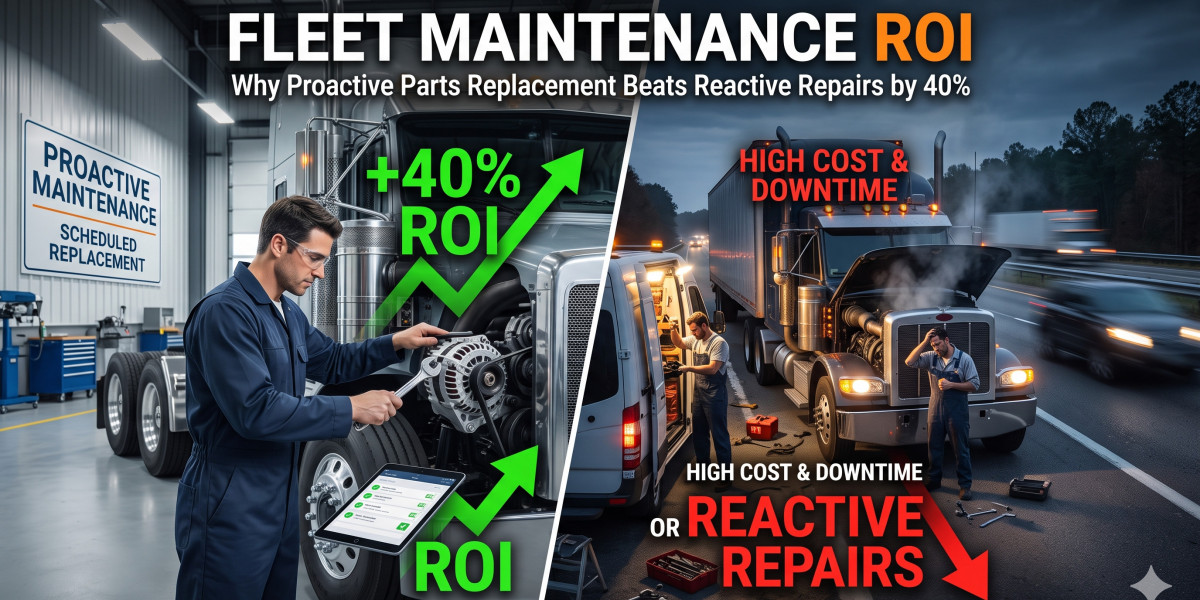
Let me break down what actually happens when you ignore scheduled maintenance and just fix things when they break. First off your machine dies right in the middle of a project. Now you got workers standing around doing nothing but you still gotta pay them. The client is angry because deadlines are getting missed. And the repair cost is way higher because now multiple parts are damaged instead of just one.
Last year a mid sized construction company in Mumbai learned this the hard way. Their excavator broke down on a big site because they skipped replacing some worn out JCB hydraulic parts. The total damage? Almost 8 lakh rupees in repairs plus they lost the contract because of delays. If they had just spent 75000 rupees on scheduled parts replacement none of that would have happened.
Why Proactive Maintenance Actually Saves Money
Here's where fleet maintenance ROI really makes sense. When you replace parts before they fail you're basically controlling when and where the maintenance happens. You can schedule it during off hours or between projects. No surprise breakdowns no emergency repair costs and no angry clients.
Equipment downtime costs are brutal in construction. Every hour a machine sits idle you're losing money. Some experts say it can cost anywhere from 5000 to 15000 rupees per hour depending on the equipment. Now multiply that by days or weeks if a major component fails.
But with proactive parts replacement you avoid all that drama. You know exactly when maintenance will happen. You can order parts in advance and get better prices. Your mechanics aren't rushing to fix things in emergency mode where mistakes happen more often.
The Numbers Don't Lie
Companies that switched to preventive maintenance programs saw some pretty crazy improvements. Their unexpected breakdowns dropped by almost 60 percent. Maintenance costs went down by 30 to 40 percent overall. And equipment lasted way longer before needing major overhauls.
Think about a standard bulldozer or excavator. If you run it till it breaks you might get 5 to 6 years out of it. But with proper scheduled maintenance that same machine can run smoothly for 10 years or more. Thats basically doubling your return on investment just by changing some parts on time.
What Parts Should You Actually Replace Early
Not everything needs to be replaced before it breaks obviously. That would be wasteful and expensive. But certain components are worth watching closely and swapping out on schedule.
Hydraulic systems are huge. Those hoses and seals wear out from constant pressure changes. A small leak today becomes a major failure next month. Filters are another no brainer. Engine oil and JCB air filters hydraulic filters. These are cheap to replace but ignoring them destroys expensive components.
Belts and hoses should be on your regular replacement list too. They dry out and crack over time especially in hot conditions. A broken belt can shut down your whole machine but replacing it costs almost nothing.
Track components on excavators and dozers wear down gradually. You can see it happening if you actually inspect them. Waiting till the tracks are completely shot means you're also damaging the undercarriage which costs way more to fix.
How Robot India Fits Into This Picture
For construction companies in India finding reliable parts and planning maintenance isn't always easy. Thats where having a good equipment partner matters. Robot India specializes in construction and material handling equipment which means they understand what fleet managers actually need.
They stock genuine parts for major equipment brands so you're not waiting weeks for shipments. Their team can help you set up a maintenance schedule based on your actual usage patterns not just generic recommendations. And they offer support for heavy equipment parts replacement which takes a lot of headache out of the process.
Building a Simple Maintenance Strategy
You don't need some super complicated system to get started with proactive maintenance. Just begin tracking your equipment hours and create a basic schedule. Most manufacturers provide guidelines for when different components should be inspected or replaced.
Start keeping records of what breaks and when. After a few months you'll see patterns. Maybe your loaders always have cooling system issues after 800 hours. Now you know to check those components around 700 hours before problems start.
Train your operators to actually report small issues instead of ignoring them. A weird noise or small leak seems minor but it usually means something bigger is developing. Catching it early is the whole point of preventive maintenance.
The Bottom Line on Fleet Management Cost Reduction
Look nobody enjoys spending money on maintenance. But you're gonna spend that money one way or another. Either you spend it in a planned controlled way through scheduled parts replacement. Or you spend way more when everything breaks at the worst possible time.
Construction equipment maintenance strategy isn't rocket science. It just requires committing to a schedule and sticking with it even when machines seem fine. The savings show up over months and years not immediately. But companies that make the switch rarely go back to reactive repairs because the difference is so obvious.
Your equipment is probably your biggest investment after labor costs. Protecting that investment through smart maintenance just makes sense financially. Plus you sleep better not worrying about what might break down tomorrow.
The choice is pretty simple really. Pay a little now for scheduled maintenance or pay a lot more later for emergency repairs and lost project time. Most successful fleet managers figured this out already. The question is when will everyone else catch up.