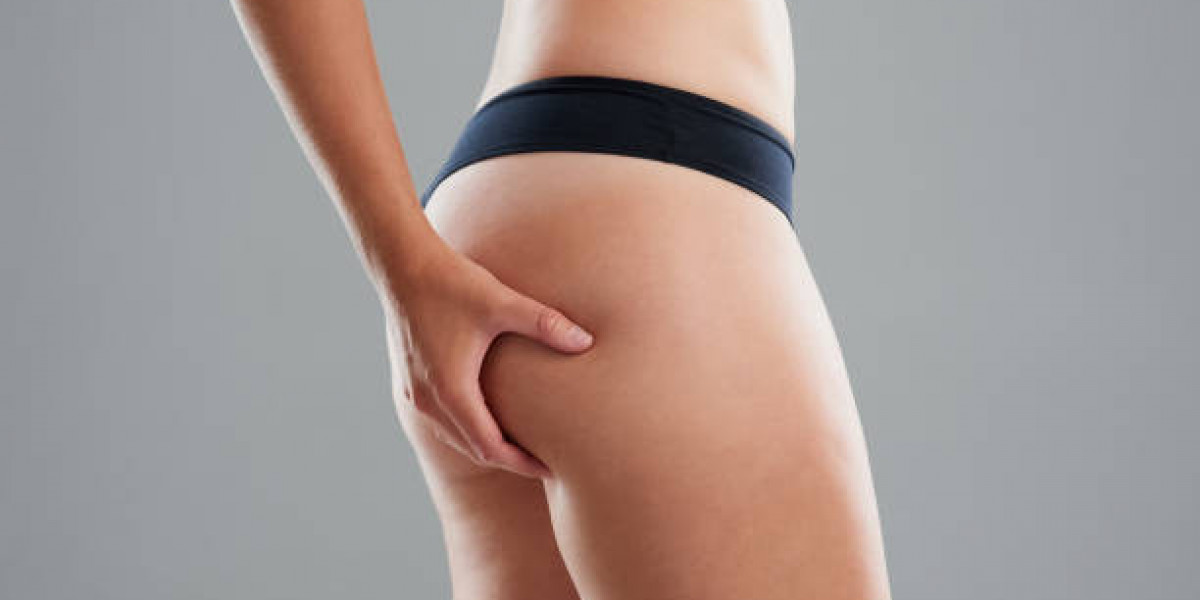

A Brazilian Butt Lift (BBL) is a cosmetic procedure that enhances the shape and volume of the buttocks by transferring fat from other areas of the body. Maintaining the results requires more than completing the surgery and recovery period. Healthy habits, stable body weight, proper aftercare, and realistic expectations all contribute to long-term satisfaction. Understanding how to protect the transferred fat can help you preserve your body contours and enjoy your results for years.
For patients considering or recovering from Brazilian Butt Lift (BBL) in Riyadh, following the surgeon’s instructions is essential because the transferred fat needs time to establish a blood supply and survive in its new location. Although some transferred fat is naturally reabsorbed by the body, the fat that successfully survives can remain long-term. Consistent lifestyle choices and appropriate follow-up care can help support the final outcome.
Follow Your Surgeon’s Postoperative Instructions
The first step in maintaining your BBL results is following your surgeon’s recovery plan. The initial weeks after surgery are particularly important because the transferred fat is still adapting to its new location. Pressure, friction, or activities that interfere with healing may affect the outcome.
Avoid Direct Pressure on the Buttocks
Your surgeon may recommend avoiding direct sitting on the buttocks for a specified period. When sitting is necessary, you may be advised to use a specially designed BBL pillow that directs pressure away from the treated area. Follow your surgeon’s guidance on when and how to use it.
Avoid assuming that you can return to normal sitting simply because discomfort has decreased. Healing varies from person to person, and your surgeon can determine when it is appropriate to resume regular sitting and other daily activities.
Sleep in a Recommended Position
Sleeping on your stomach or side may be recommended during early recovery to minimize pressure on the buttocks. Your surgeon will explain which position is suitable for your procedure and how long you should maintain it. Using supportive pillows can make resting more comfortable while helping you follow postoperative instructions.
Maintain a Stable Body Weight
Body weight can influence the appearance of your Brazilian Butt Lift results. Transferred fat behaves like fat elsewhere in the body, meaning it can increase or decrease in volume as your weight changes.
Avoid Significant Weight Fluctuations
Major weight loss may reduce the volume of the buttocks, while substantial weight gain can increase fat volume in different areas of the body. These changes may alter the proportions achieved through surgery.
After your surgeon confirms that you have recovered sufficiently, aim to maintain a relatively stable weight through balanced nutrition and regular physical activity. Avoid crash diets or extreme weight-loss programs, especially during recovery, because they can make it harder to maintain consistent body contours.
Focus on Sustainable Habits
Rather than following restrictive diets, choose realistic habits you can maintain over time. Regular meals, adequate hydration, sufficient sleep, and consistent activity can support overall health and help you manage your weight.
Eat a Balanced and Nutritious Diet
Nutrition plays an important role in healing after surgery and maintaining overall body composition. Although no particular food can guarantee fat survival, a balanced diet provides the nutrients needed for tissue repair and general well-being.
Include Protein and Essential Nutrients
Protein supports tissue repair and helps maintain muscle mass. Include suitable sources such as eggs, fish, poultry, beans, lentils, dairy products, or other protein-rich foods that fit your dietary needs.
Fruits, vegetables, whole grains, and healthy fat sources can also contribute to a balanced eating pattern. Follow any specific dietary recommendations provided by your healthcare professional, particularly if you have medical conditions that affect nutrition or healing.
Stay Hydrated
Drinking enough water supports normal bodily functions and can help you feel better during recovery. Your hydration needs may vary according to your activity level, climate, and medical circumstances. Follow your clinician’s advice if you have a condition that requires fluid restrictions.
Return to Exercise Gradually
Exercise can help support long-term health, maintain muscle strength, and improve overall body composition. However, returning to physical activity too early may interfere with recovery.
Start With Surgeon-Approved Activities
During the initial recovery period, your surgeon may recommend gentle walking to support mobility and reduce the risks associated with prolonged inactivity. More demanding activities should wait until you receive medical clearance.
Do not begin strenuous workouts, heavy lifting, or exercises that place pressure on the buttocks simply because you feel ready. Your recovery timeline will depend on the extent of surgery and your individual healing progress.
Build a Consistent Fitness Routine
Once you are cleared to exercise, gradually return to activities that suit your fitness level. Strength training and cardiovascular exercise can support general health and help maintain a stable weight. Exercises that target the gluteal muscles may improve muscle strength and shape, but they do not directly preserve transferred fat or guarantee additional buttock volume.
Avoid Smoking and Nicotine Products
Smoking and nicotine use can interfere with circulation and wound healing. These effects may increase the risk of complications and negatively affect recovery after surgery.
Avoid smoking, vaping products containing nicotine, and other nicotine sources according to your surgeon’s instructions. Ask your healthcare professional for guidance on when, or whether, it is appropriate to resume nicotine use. Avoid restarting simply because the incisions appear healed.
Attend Follow-Up Appointments
Follow-up visits allow your surgeon to assess healing, monitor changes in body contours, and identify potential complications. These appointments are also an opportunity to discuss concerns about swelling, discomfort, asymmetry, or changes in volume.
Remember that early postoperative swelling can make the buttocks appear larger than the eventual result. Some transferred fat is naturally reabsorbed over time, so the final shape may take several months to become apparent. Your surgeon can explain what changes are expected during your recovery.
Seek prompt medical attention if you experience sudden shortness of breath, chest pain, fainting, severe or rapidly increasing pain, or significant one-sided leg swelling. These symptoms may indicate a serious complication and should not be ignored.
Understand What Can Affect Long-Term Results
Even with excellent aftercare, individual outcomes differ. Factors such as natural fat absorption, changes in body weight, aging, skin elasticity, and individual healing characteristics can influence the appearance of the buttocks over time.
Patients considering Brazilian Butt Lift (BBL) in Riyadh should understand that results cannot be guaranteed to remain exactly the same throughout life. A realistic understanding of the procedure, combined with consistent aftercare and healthy habits, can help you make informed decisions about maintaining your results.
Avoid unproven treatments or aggressive massage intended to increase buttock volume unless your surgeon specifically recommends an appropriate treatment. Additional cosmetic procedures should only be considered after a professional assessment of your health, healing, and goals.
Book Your Consultation at Royal Clinic Saudia
Maintaining your Brazilian Butt Lift results begins with suitable surgical planning, careful recovery, and a long-term approach to your health. At Royal Clinic Saudia, a consultation can help you understand the procedure, discuss your body-contouring goals, and receive guidance on appropriate aftercare. If you have already undergone surgery, your clinician can also help address questions about healing and maintaining your results. For personalized advice about Brazilian Butt Lift (BBL) in Riyadh, arrange a consultation with a qualified medical professional.
FAQs:
How long do Brazilian Butt Lift results last?
Results can last for many years when the transferred fat survives and your body weight remains relatively stable. However, natural aging, weight changes, and individual healing can affect the appearance over time.
Can weight loss affect my BBL results?
Yes. Significant weight loss can reduce the volume of transferred fat, potentially making the buttocks appear smaller. Maintaining a stable, healthy weight can help preserve your body contours.
When can I start exercising after a Brazilian Butt Lift?
The timeline depends on your recovery and your surgeon’s instructions. Gentle walking may be encouraged early, while strenuous exercise and glute-focused workouts should wait until your surgeon confirms they are safe.
Does massage help maintain Brazilian Butt Lift results?
Massage does not guarantee better fat survival or long-term results. Massage or other treatments performed too early may interfere with healing. Only use massage techniques if your surgeon recommends them and explains when they are appropriate.







