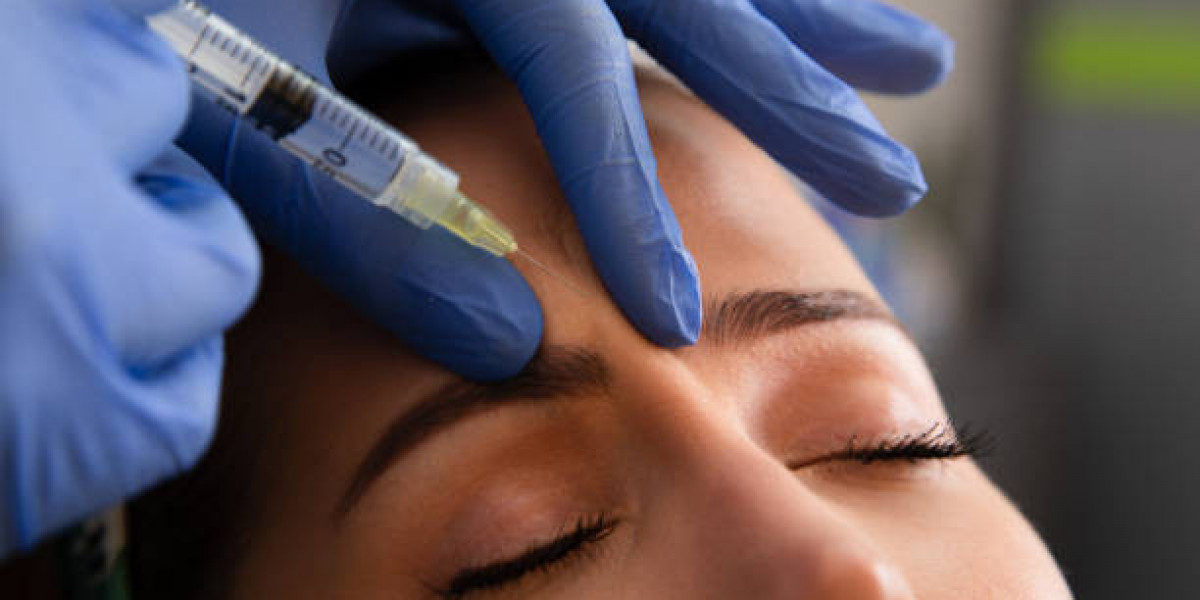

Botox is a widely used non-surgical cosmetic treatment that helps soften expression lines and create a refreshed appearance. However, results can vary from one person to another, even when similar areas are treated. Factors such as facial muscle strength, injection technique, dosage, skin condition, and individual response can influence the outcome. People considering Botox injections in Riyadh (حقن البوتوكس في الرياض) should understand these factors before treatment so they can develop realistic expectations and make informed decisions. A personalized assessment by a qualified medical professional is essential for selecting an appropriate treatment plan and understanding the potential benefits and limitations.
Although Botox can temporarily reduce wrinkles caused by repeated facial movements, it does not produce identical results for everyone. Some people notice smoother forehead lines, while others may experience a more subtle change depending on their facial anatomy and the type of wrinkles being treated. Botox injections in Riyadh can be tailored to individual aesthetic concerns, but the outcome also depends on proper administration and aftercare guidance. Learning what influences treatment results can help you prepare for your appointment and understand how to maintain healthy-looking skin.
How Does Botox Work?
Botox contains botulinum toxin type A, a prescription substance that temporarily blocks the release of acetylcholine, a chemical messenger involved in muscle contraction. When injected into selected facial muscles, it reduces their activity and softens wrinkles associated with repeated expressions.
Which Areas Can Botox Treat?
Botox is commonly used for forehead lines, frown lines between the eyebrows, and crow's feet around the eyes. The treatment may also be used for other approved cosmetic or medical indications, depending on the product and clinical assessment. The appropriate injection sites depend on the person's anatomy, concerns, and treatment goals.
When Do Results Usually Appear?
Some changes may become noticeable within several days, while the full cosmetic effect commonly develops within approximately 10–14 days. The timing varies according to the individual, treatment area, and product used. A follow-up assessment may help determine whether the result has developed as expected.
Facial Muscle Strength and Anatomy
One of the main factors affecting Botox results is the structure and activity of the muscles being treated.
Stronger Facial Muscles
People with stronger or more active facial muscles may respond differently from those with less muscle activity. The practitioner considers muscle strength and movement when planning treatment. The goal is to reduce unwanted lines while maintaining appropriate facial expression and function.
Individual Facial Structure
Eyebrow position, forehead shape, eyelid anatomy, and differences between the two sides of the face can influence treatment planning. A qualified practitioner evaluates these features to determine appropriate injection locations and minimize the risk of unwanted effects, such as eyebrow or eyelid drooping.
Type and Depth of Wrinkles
Botox is generally most effective for dynamic wrinkles caused by muscle movement. Lines that remain visible when the face is relaxed may also involve sun damage, changes in skin texture, or reduced elasticity. These wrinkles may not respond fully to Botox alone, and other options may be worth discussing.
Botox Dosage and Injection Technique
The amount of product used and the accuracy of injection placement can significantly influence the outcome.
Appropriate Dosage
The appropriate dose depends on the treatment area, muscle activity, product instructions, and desired result. Too little may provide less improvement than expected, while excessive dosing may cause unwanted weakness or restrict normal facial movement. Dosage should be determined by a qualified professional rather than copied from another person's treatment.
Precise Injection Placement
Botox needs to be injected into appropriate muscles to achieve the intended effect. Facial anatomy varies, so injection placement should be individualized. An experienced practitioner understands how nearby muscles interact and considers how treatment may affect eyebrow position, eyelid function, and facial expression.
Product Selection and Handling
Different botulinum toxin products have their own prescribing information, preparation requirements, and dosing units. Their units are not directly interchangeable. The product should be obtained from a reliable source, stored and prepared according to its instructions, and administered by a qualified professional.
Individual Response and Medical History
People can respond differently to Botox because of personal and medical factors.
Previous Botox Treatments
Your response to earlier treatments may help your practitioner understand what worked well and how long the effects lasted. However, previous results do not guarantee the same outcome every time, as treatment areas, muscle activity, and other factors may change.
Medical Conditions and Medications
Some medical conditions and medications can affect the safety of botulinum toxin treatment or increase the risk of side effects. Tell your practitioner about all medications, supplements, allergies, previous injections, and relevant medical conditions before treatment. Do not stop prescribed medication without advice from the clinician who manages it.
Individual Differences in Treatment Duration
Cosmetic Botox results commonly last around three to four months, although some people notice the effects fading sooner or lasting longer. The treatment area, muscle activity, dose, and individual response can influence duration. If the effect seems unusually brief, discuss your experience with your practitioner before changing the treatment plan.
Skin Condition and Lifestyle Habits
Botox targets muscle activity rather than every aspect of skin aging. Your skin condition and daily habits can influence how the overall result looks.
Sun Exposure
Ultraviolet radiation contributes to collagen breakdown, pigmentation, and premature skin aging. These changes can affect skin quality even when muscle-related wrinkles are softened. Using broad-spectrum sunscreen with SPF 30 or higher, wearing protective clothing, and seeking shade can help protect your skin.
Skincare Routine
Gentle cleansing and regular moisturizing help support the skin barrier. Certain topical ingredients may improve skin texture or fine lines over time, but they do not work like Botox and cannot guarantee longer-lasting injectable results. Choose products suitable for your skin type and seek professional advice if irritation develops.
Smoking, Sleep, and General Health
Smoking can contribute to premature skin aging, while adequate sleep and balanced nutrition support general well-being. These habits may influence overall skin appearance, but there is no guarantee that changing them will extend the duration of Botox.
Aftercare and Treatment Expectations
Following your practitioner's instructions helps you manage the immediate recovery period and understand the expected treatment timeline.
Follow Individual Aftercare Instructions
Your practitioner may advise you about rubbing the injection sites, strenuous activity, and other precautions immediately after treatment. Recommendations can vary, so follow the specific instructions you receive rather than relying on generalized online advice.
Allow Enough Time for Results
Botox takes time to reach its full cosmetic effect. Avoid making premature judgments about the final outcome during the first few days. If you have concerns, arrange a review with your practitioner at the recommended time.
Avoid Unnecessarily Frequent Treatments
Botox results gradually fade as normal muscle activity returns. Repeat injections are optional and should be scheduled according to professional guidance. More frequent treatment is not automatically better and may increase the chance of unwanted effects.
Common Reasons Botox Results May Be Unsatisfactory
Sometimes the outcome may not match a person's expectations. This does not necessarily mean that the treatment has failed.
The wrinkles may be caused partly by skin changes rather than muscle movement, the dose may not have matched the treatment goal, or the full effect may not yet have developed. Differences in facial anatomy can also affect the appearance of the result. A qualified practitioner can review these factors and discuss whether adjustment, a different treatment approach, or no further treatment is appropriate.
Botox can cause side effects, including temporary bruising, redness, headache, eyelid or eyebrow drooping, and unwanted muscle weakness. Seek urgent medical attention if you develop difficulty swallowing, speaking, or breathing after treatment.
How to Get the Best Possible Botox Results
If you are considering Botox injections in Riyadh, choose a qualified medical professional who can assess your facial anatomy, medical history, and aesthetic goals. Discuss which wrinkles are likely to respond, what result is realistic, how long it may last, and what risks apply to you.
Good results depend on more than the injection itself. Individualized treatment planning, appropriate product handling, realistic expectations, and consistent skin protection all contribute to a more informed approach. No provider can guarantee a particular result, so take time to ask questions and understand your options before proceeding.
Book Your Consultation at Royal Clinic Saudia
Royal Clinic Saudia (عيادات رويال كلينك) can help you explore treatment options for expression lines and understand the factors that may influence Botox results. Arrange a consultation to discuss your aesthetic goals, review your medical history, and receive professional guidance tailored to your needs.
FAQs:
Why do Botox results differ from person to person?
Results can vary because of differences in facial anatomy, muscle strength, injection placement, dosage, the type of wrinkles being treated, and individual response.
How long does it take for Botox to show results?
Some changes may appear within several days, while the full cosmetic effect commonly develops within approximately 10–14 days. The timing varies by individual and treatment area.
Can skincare make Botox results last longer?
Skincare can support overall skin quality, but there is no reliable evidence that a particular skincare routine significantly extends Botox's muscle-relaxing effect. Sunscreen and moisturizer are useful for general skin health.
What should I do if my Botox results are not what I expected?
Contact your practitioner for an assessment, particularly if the full effect has not yet developed or you notice uneven movement. Do not arrange additional injections too soon without professional guidance, and seek urgent care for serious symptoms such as difficulty swallowing, speaking, or breathing.