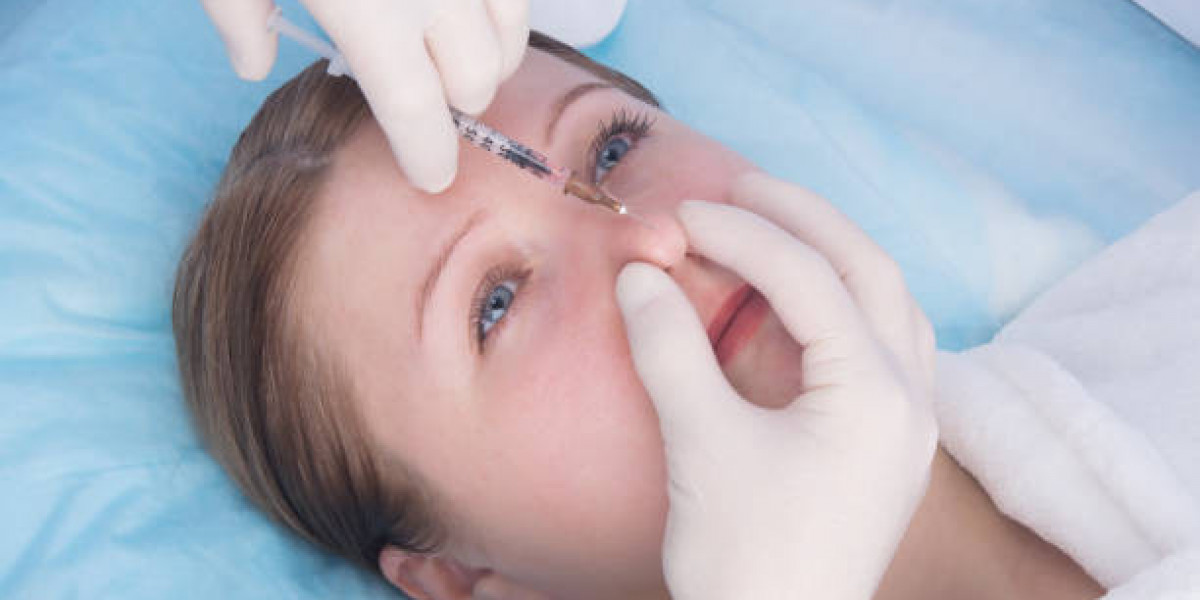

A deviated septum is a common nasal condition that occurs when the thin wall separating the two nasal passages shifts away from the center. For some people, it causes few noticeable symptoms, while others experience persistent nasal congestion, difficulty breathing, snoring, or reduced comfort during physical activity. When these symptoms are caused by structural problems, surgery may help improve airflow and nasal function. Patients considering Rhinoplasty in Riyadh (عملية تجميل الانف في الرياض) should understand the difference between correcting a deviated septum and reshaping the external nose, as both procedures may sometimes be performed together.
Choosing the right treatment begins with identifying the cause and severity of the problem. A deviated septum does not automatically require surgery, and medication may help when symptoms are related to allergies or inflammation. However, when the septum significantly restricts airflow, a surgical evaluation can help determine whether septoplasty, functional rhinoplasty, or a combination of procedures is appropriate.
What Is a Deviated Septum?
The nasal septum consists of cartilage and bone that divide the inside of the nose into two passages. Ideally, it sits relatively centrally, allowing air to move through both sides of the nose.
Common Causes of a Deviated Septum
A deviated septum may develop naturally as the nose grows or result from an injury. Some people are born with a deviation, while others develop one after a sports injury, accident, or impact to the face. In certain cases, the deviation becomes more noticeable as the nasal structures change over time.
Signs and Symptoms to Recognize
Symptoms depend on the degree and location of the deviation. Common signs include persistent blockage on one or both sides of the nose, difficulty breathing through the nose, recurrent nosebleeds, and disturbed sleep. Some individuals also experience dryness or crusting because airflow is uneven. These symptoms can have other causes, so a medical assessment is important before deciding on treatment.
Can Rhinoplasty Correct a Deviated Septum?
Rhinoplasty may be part of the treatment plan when a deviated septum occurs alongside external nasal deformity or other structural problems. However, the procedure specifically used to straighten the septum is called septoplasty.
Understanding Septoplasty
Septoplasty focuses on correcting the position of the nasal septum to improve airflow. During surgery, the surgeon adjusts or reshapes selected cartilage and bone while maintaining adequate structural support. The main goal is functional improvement rather than changing the external appearance of the nose.
Understanding Functional Rhinoplasty
Functional rhinoplasty addresses structural problems that affect breathing, including certain deformities of the nasal framework or nasal valve. It may be appropriate when the external shape or supporting structures contribute to airway obstruction.
When Both Procedures May Be Combined
Some patients have a deviated septum as well as a crooked nose, nasal valve narrowing, or cosmetic concerns. In such cases, septoplasty and rhinoplasty may be performed together if the surgeon determines that both are necessary. Combining procedures can address internal and external structural concerns in one surgical plan, but it is not required for every patient.
Who May Benefit From Surgery for a Deviated Septum?
The most suitable candidates are people whose symptoms and examination findings indicate that a structural deviation is significantly affecting nasal airflow.
Patients With Persistent Nasal Obstruction
People who regularly struggle to breathe through the nose may benefit from an assessment, especially when symptoms remain troublesome despite appropriate medical treatment. A specialist can determine whether the septum is the main cause or whether other conditions are contributing.
Patients With Nasal Deformity
A deviated septum may occur alongside a visibly crooked nose or changes caused by injury. If both breathing and external appearance are concerns, a combined surgical approach may be discussed.
Patients With Realistic Expectations
Surgery can improve airflow when obstruction is caused by a correctable structural problem, but it cannot guarantee perfect breathing. Allergies, sinus inflammation, and other nasal conditions may continue to cause symptoms after surgery. Patients should understand the expected benefits, limitations, and potential risks before making a decision.
People exploring Rhinoplasty in Riyadh should discuss their breathing symptoms, nasal appearance, and medical history during their consultation.
What Happens During the Surgical Procedure?
The exact approach depends on the nasal anatomy, severity of the deviation, and whether septoplasty is performed alone or alongside rhinoplasty.
Preoperative Assessment
Before surgery, the specialist reviews symptoms, medical history, previous nasal injuries, and any earlier procedures. The inside of the nose is examined to identify the source of obstruction. The surgeon may also evaluate the nasal valve and external nasal framework to determine whether additional structural correction is needed.
During Surgery
Septoplasty is commonly performed through incisions inside the nose. The surgeon adjusts the deviated cartilage or bone while preserving enough support for the nose. If rhinoplasty is also required, additional changes may be made to the nasal bones, cartilage, or supporting structures according to the treatment plan.
The procedure may be performed under general anesthesia or, in selected circumstances, another appropriate anesthetic approach. The method depends on the complexity of surgery and the patient's individual needs.
What Is Recovery Like After Surgery?
Recovery varies depending on the extent of correction and whether septoplasty is combined with rhinoplasty.
The First Few Days
Swelling, congestion, mild discomfort, and a small amount of bleeding or drainage may occur. The nose may feel blocked initially because of swelling or internal dressings, if used. Patients should follow their surgeon's instructions and avoid manipulating the nose.
The Following Weeks
As healing progresses, swelling and congestion generally begin to improve. Patients are usually advised to avoid strenuous exercise, heavy lifting, and activities that could cause nasal injury until cleared by their surgeon.
Long-Term Healing
Breathing may improve gradually over several weeks, although complete healing can take longer. When rhinoplasty is also performed, visible swelling—particularly around the nasal tip—may continue to settle for many months. Follow-up appointments allow the surgeon to assess healing and address ongoing symptoms.
What Are the Risks and Possible Limitations?
Septoplasty and rhinoplasty are surgical procedures and carry potential risks, including bleeding, infection, persistent obstruction, changes in smell, septal perforation, scarring, or changes in nasal appearance. Some patients may continue to experience breathing difficulties or require further treatment.
The likelihood of improvement depends on the cause of the obstruction, the surgical plan, and individual healing. A qualified surgeon or ear, nose, and throat specialist can explain the relevant risks and alternatives based on the patient's examination.
Book Your Consultation at Royal Clinic Saudia
If a deviated septum is affecting your breathing or you are concerned about the shape of your nose, a professional assessment can help clarify your options. Royal Clinic Saudia (عيادات رويال كلينك) can help you discuss your nasal concerns, understand the differences between septoplasty and rhinoplasty, and explore an individualized treatment plan. Book a consultation to learn whether Rhinoplasty in Riyadh may be suitable for your functional and aesthetic goals.
FAQs:
Can rhinoplasty fix a deviated septum completely?
Rhinoplasty may address associated nasal structural problems, but septoplasty is the procedure specifically designed to correct a deviated septum. The appropriate approach depends on the anatomy and the cause of breathing difficulties.
Is septoplasty the same as rhinoplasty?
No. Septoplasty corrects the internal nasal septum to improve airflow, while rhinoplasty reshapes the external nose and may also address functional problems. The procedures can be combined when both are needed.
Will my nose look different after septoplasty?
Septoplasty alone usually does not significantly change the external appearance of the nose. If external reshaping is also planned, the appearance may change depending on the rhinoplasty technique.
How long does it take to breathe normally after surgery?
Many patients notice gradual improvement over the first several weeks, but swelling can temporarily cause congestion. The recovery timeline depends on the extent of surgery and individual healing, so follow your surgeon's postoperative guidance.







