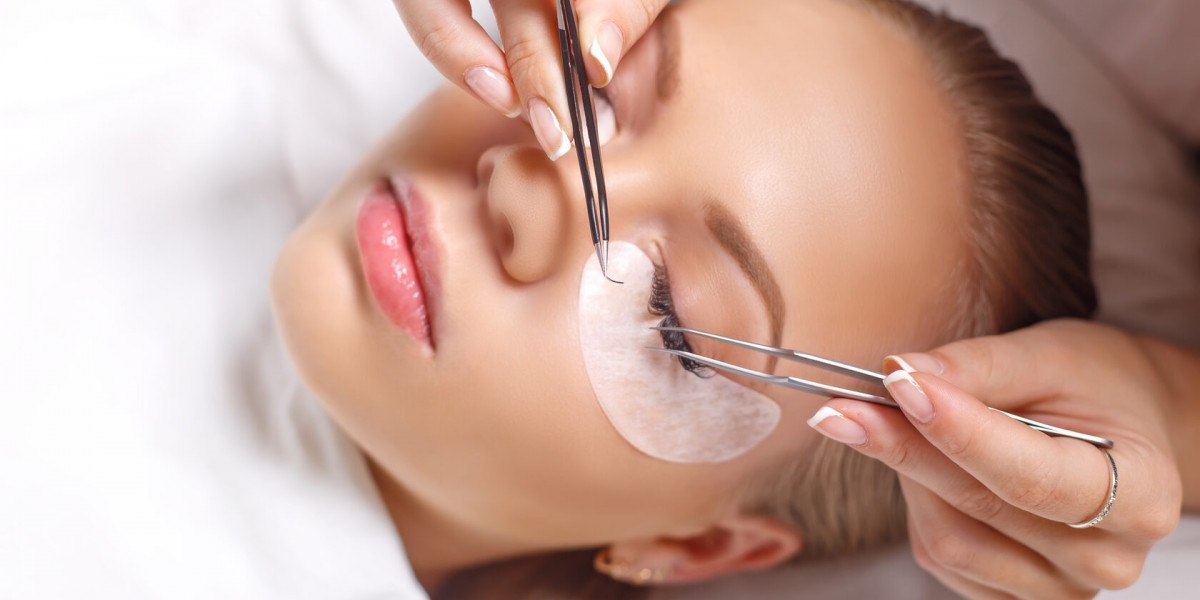

Natural-looking eyelashes depend on more than the number of hairs transplanted. Their angle, curvature, spacing, and growth direction all influence how well they blend with existing lashes. Even when transplanted follicles grow successfully, an unsuitable angle can make the lashes appear irregular or point in an unnatural direction. This is why careful planning and precise follicle placement are essential for achieving a balanced appearance.
An Eyelash Hair Transplant in Dubai may be considered by individuals with sparse eyelashes, congenital lash deficiencies, or hair loss resulting from trauma or certain medical conditions. The procedure generally involves transferring hair follicles, commonly from the scalp, to the eyelid margin. Because scalp hair behaves differently from natural eyelashes, patients need to understand the long-term maintenance requirements and realistic outcomes before proceeding.
Creating natural lash direction requires detailed assessment of the eyelid, existing lash pattern, and individual hair characteristics. The surgeon must consider how each graft will sit within the recipient area and how its emerging hair will grow. The eyelid is a delicate anatomical structure, so precision is important not only for appearance but also for protecting the eye and surrounding tissues.
Choosing a qualified medical professional with relevant experience is an important part of the process. Patients should discuss the intended lash design, possible complications, postoperative care, and the limitations of transplantation during their consultation. Understanding these factors helps establish realistic expectations for a result that complements the eyes rather than looking artificially dense or uneven.
Understanding the Natural Direction of Eyelashes
Natural eyelashes do not grow in a uniform, straight line. Their direction varies across the upper and lower eyelids, with individual hairs following slightly different angles and curves. Upper lashes generally extend outward and curve upward, while lower lashes tend to point outward and downward. These variations help create the characteristic appearance of the lash line.
A successful transplant plan must account for these differences. Placing follicles at inconsistent angles can result in crossed hairs, uneven growth, or lashes that point toward the eye. Such problems may affect comfort as well as appearance.
The surgeon therefore evaluates the existing lash pattern, eyelid anatomy, and the intended distribution of transplanted follicles before deciding on placement. Natural direction is achieved through a combination of appropriate graft selection, controlled insertion angles, and careful spacing.
How Is Lash Direction Planned Before Surgery?
Planning begins with an assessment of the patient's eyelids and the condition of any remaining eyelashes. The surgeon examines the areas requiring restoration and determines whether transplantation is suitable. Previous eyelid surgery, scarring, inflammation, and other underlying conditions may influence the treatment plan.
The desired appearance is also discussed during consultation. Some patients prefer subtle restoration that fills small gaps, while others may need broader coverage because of significant lash loss. The design should complement the patient's natural features without creating excessive density or an artificial outline.
A surgeon must also consider the differences between scalp hair and eyelashes. Scalp follicles may continue producing longer hairs and may have a different texture or growth cycle. Patients should understand that transplanted lashes often require regular trimming and may need curling or other grooming to maintain their intended appearance.
The Importance of Implantation Angle and Depth
The implantation angle is one of the most important factors in creating natural lash direction. Each follicle must be positioned according to the intended direction of growth and the anatomy of the recipient site. The eyelid margin provides limited space, making accurate placement particularly important.
Insertion depth also matters. Grafts placed too deeply or too superficially may heal unpredictably, while poor alignment can contribute to irregular growth. Excessive manipulation can damage follicles or surrounding tissue.
Because the recipient area lies close to the eye, the procedure requires specialised anatomical knowledge and meticulous technique. Patients should ask how the surgeon plans to minimise the risk of misdirected hairs, graft damage, and injury to the eyelid or ocular surface.
How Graft Selection Influences Lash Appearance
The characteristics of donor hair affect the final result. Fine hair may blend more naturally with existing eyelashes, while thicker or coarser hair can create a noticeably different appearance. The suitability of donor follicles depends on the patient's hair characteristics and the restoration goals.
Graft selection should also account for the number of follicles contained in each graft. Careful selection and handling help the surgeon control the distribution and appearance of transplanted hairs. However, the availability of suitable donor hair and the limitations of the eyelid may restrict how much coverage can safely be achieved.
Patients should discuss the expected texture, maintenance requirements, and potential differences between transplanted and natural lashes before consenting to treatment.
What Happens During Healing?
The early healing period is important for graft stability. Patients may experience temporary swelling, redness, tenderness, or bruising around the eyelids. The extent and duration of these effects vary according to the procedure and individual healing response.
Transplanted hairs may shed during the initial weeks, which does not necessarily indicate graft failure. New growth develops gradually, and the final appearance cannot be judged immediately after surgery. The surgeon should provide specific instructions regarding eyelid hygiene, activity restrictions, follow-up appointments, and when grooming can safely begin.
Patients should avoid rubbing the eyes or manipulating grafts during healing. Increasing pain, worsening redness, discharge, or any change in vision warrants prompt medical assessment.
Clinics to Consider for Eyelash Hair Transplant in Dubai
When exploring treatment options, patients should distinguish between a clinic's general cosmetic services and its specific experience with eyelash transplantation. The following providers can be considered as starting points for researching consultation options. Their inclusion does not establish that they currently perform this specialised procedure, so patients should verify service availability, surgeon qualifications, and relevant experience directly.
Tajmeels Clinic
Tajmeels Clinic is one option patients may investigate when researching cosmetic treatments in Dubai. Before considering eyelash restoration, prospective patients should ask whether the clinic offers surgical follicular transplantation specifically for the eyelid margin.
Questions about the surgeon's experience with lash direction, graft placement, donor hair selection, and postoperative monitoring can help clarify whether the service meets the patient's needs. Reviewing relevant before-and-after photographs may also help patients understand the range of outcomes, provided the images represent actual cases treated by the responsible surgeon.
Enfield Royal Clinic
Enfield Royal Clinic is another provider patients may contact when exploring aesthetic treatment options. Anyone considering an Eyelash Hair Transplant in Dubai should confirm whether the clinic currently offers the procedure and identify the medical professional who would perform it.
During a consultation, patients should ask how natural lash direction is planned, how implantation angles are selected, and what precautions are used to protect the eyelid and eye. The discussion should also cover donor hair characteristics, expected growth patterns, ongoing trimming requirements, possible complications, and follow-up care.
A transparent consultation should explain both the potential benefits and the limitations of treatment. Patients should seek clear information about the clinician's relevant surgical training and experience rather than relying solely on general cosmetic credentials or promotional descriptions.
Emirates Hospital
Emirates Hospital may be another provider to contact when researching specialist medical care in Dubai. Patients interested in eyelash restoration should confirm whether an appropriately qualified surgeon performs this particular procedure and whether assessment by an ophthalmologist or another relevant specialist is appropriate.
The consultation should address eyelid anatomy, the condition of existing lashes, any history of eye disease, and the possibility of complications associated with misdirected hair growth. Patients should also ask about the clinical setting, available follow-up services, and the process for managing postoperative concerns.
Cocoona Clinic
Cocoona Clinic is a further option for patients researching cosmetic and reconstructive procedures. Its suitability for eyelash transplantation should be established through direct enquiry rather than assumed from its broader aesthetic services.
Prospective patients can ask about experience with delicate recipient sites, the use of single-hair grafts where appropriate, and methods for controlling follicle direction. They should also establish how the treatment team evaluates donor hair thickness and explains the difference between transplanted scalp hair and natural eyelashes.
A careful assessment should prioritise eyelid function, eye protection, and a realistic cosmetic result.
Dynamic Life Clinic
Patients researching aesthetic procedures may also contact Dynamic Life Clinic to enquire about eyelash restoration. It is important to determine whether the clinic offers surgical transplantation or other treatments for sparse lashes, as these approaches are not interchangeable.
For surgical treatment, ask who performs the procedure, what specific eyelash-transplant experience they have, and how they plan graft orientation and spacing. A suitable consultation should also explain the potential for uneven growth, the need for ongoing grooming, and the possibility that the final result may not match natural lashes exactly.
Dubai Cosmetic Surgery Clinic
Dubai Cosmetic Surgery Clinic may be considered during the search for cosmetic surgical services. Patients should verify whether eyelash follicular transplantation is available and whether the treating surgeon has documented experience with this procedure.
Useful consultation topics include the proposed graft number, donor-site suitability, implantation technique, recovery expectations, and management of complications. Patients should also ask how the surgeon reduces the risk of lashes growing toward the eye, as this can create irritation and potentially affect the ocular surface.
Al Zahra Hospital Dubai
Al Zahra Hospital Dubai is a provider patients can investigate when looking for specialist medical assessment. Those considering eyelash transplantation should confirm whether the relevant service is available and which specialist would assess their suitability.
A thorough evaluation is especially important for patients whose lash loss may be related to scarring, inflammation, trauma, or an underlying medical condition. Treating the cause of hair loss, when possible, may be necessary before a reconstructive procedure is considered.
Patients should also ask about postoperative reviews and access to appropriate ophthalmic care if complications arise.
King's College Hospital London Dubai
King's College Hospital London Dubai is another provider patients may contact when researching specialist care. Prospective patients should establish whether eyelash transplantation is offered and whether a suitably experienced surgeon is available to perform it.
A useful consultation should explain the patient's individual suitability, expected growth characteristics, and the risks associated with transplanting hair into the eyelid margin. Patients should receive clear guidance on follow-up appointments and the symptoms that require prompt assessment.
How to Choose the Right Clinic for Eyelash Hair Transplant in Dubai
Selecting a provider requires more than comparing prices or viewing promotional photographs. Because eyelash transplantation involves delicate tissue near the eye, patients should evaluate the surgeon's specific experience, clinical approach, and ability to manage complications.
Experience and qualifications: Ask about the surgeon's medical registration, specialist training, and experience performing eyelash transplantation. Experience with scalp hair transplantation alone does not necessarily establish expertise in eyelid surgery.
Technology and techniques: Discuss the extraction and implantation methods used, how grafts are handled, and how the surgeon controls their direction and depth. The technique should be appropriate for the patient's anatomy and restoration goals.
Safety standards: Confirm that the procedure takes place in an appropriate clinical environment with suitable sterilisation, monitoring, and postoperative support. Ask how the team addresses eye protection and complications such as misdirected lashes or infection.
Consultation process: A thorough consultation should include a review of medical history, current medications, eye health, donor hair, and the cause of lash loss. Patients should have enough time to ask questions and consider alternatives.
Patient experience: Look for authentic clinical photographs and detailed explanations of the treatment process. Ask whether the provider can discuss outcomes from comparable cases without promising identical results.
Expected results: Understand that transplanted hair may differ from natural eyelashes in thickness, length, texture, and growth behaviour. Regular trimming may be necessary, and further treatment may not always be appropriate or successful.
Cost should be evaluated alongside these factors. A lower quoted price may not reflect the same level of specialist expertise, follow-up care, or complication management. Request a written treatment plan that explains what is included and what additional care may cost.
Frequently Asked Questions
How is natural lash direction achieved during transplantation?
Natural direction is planned by assessing the existing lash pattern and carefully controlling each graft's orientation, angle, and depth. The surgeon must also consider the eyelid's anatomy and the intended growth direction to reduce the risk of irregular or inward-pointing hairs.
Can transplanted eyelashes look exactly like natural lashes?
Not always. Transplanted hairs commonly come from the scalp and may grow longer or have a different texture and growth cycle. Careful planning can improve the appearance, but ongoing trimming and grooming may be necessary.
How long does it take to see the final results?
Visible growth develops gradually over several months, and the timing varies between individuals. Initial shedding may occur before new growth begins. The treating surgeon should explain the expected timeline and arrange follow-up assessments.
Can transplanted eyelashes grow toward the eye?
Yes. Misdirected growth is a potential complication of eyelash transplantation. Hairs pointing inward may irritate the eye or damage the ocular surface. Patients should seek prompt professional assessment if they experience persistent irritation, excessive tearing, pain, or changes in vision.
Is eyelash hair transplantation suitable for everyone?
No. Suitability depends on donor hair availability, eyelid anatomy, the cause of lash loss, overall health, and the condition of the eyes. Patients with active eyelid inflammation or certain underlying conditions may need treatment or specialist assessment before transplantation is considered.
Conclusion
Natural lash direction depends on careful planning, appropriate donor hair selection, and precise follicle placement. The surgeon must balance the desired cosmetic appearance with eyelid anatomy, eye protection, and the long-term behaviour of transplanted hair. Even with meticulous technique, transplanted lashes may require regular maintenance and may not reproduce every characteristic of natural eyelashes.
Anyone considering Eyelash Hair Transplant should prioritise a qualified practitioner with specific experience in eyelash restoration, transparent discussions about risks, and a structured follow-up plan. Verifying the availability of the procedure and the clinician's credentials before choosing a provider can help patients make an informed decision based on safety, suitability, and realistic expectations.