
Facial aging can cause wrinkles, fine lines, sagging skin, and changes in facial contours. As these signs become more noticeable, many people explore cosmetic treatments to achieve a refreshed and youthful appearance. Two popular options are facelift surgery and Botox injections, but they work in very different ways. A facelift addresses sagging tissues and excess skin, while Botox temporarily relaxes selected muscles responsible for expression lines. For individuals considering Facelift in Riyadh, understanding the differences between these treatments can help clarify which option may better suit their concerns, expectations, and lifestyle. The right choice depends on the type of aging changes, overall health, desired results, and advice from a qualified medical professional.
What Is a Facelift?
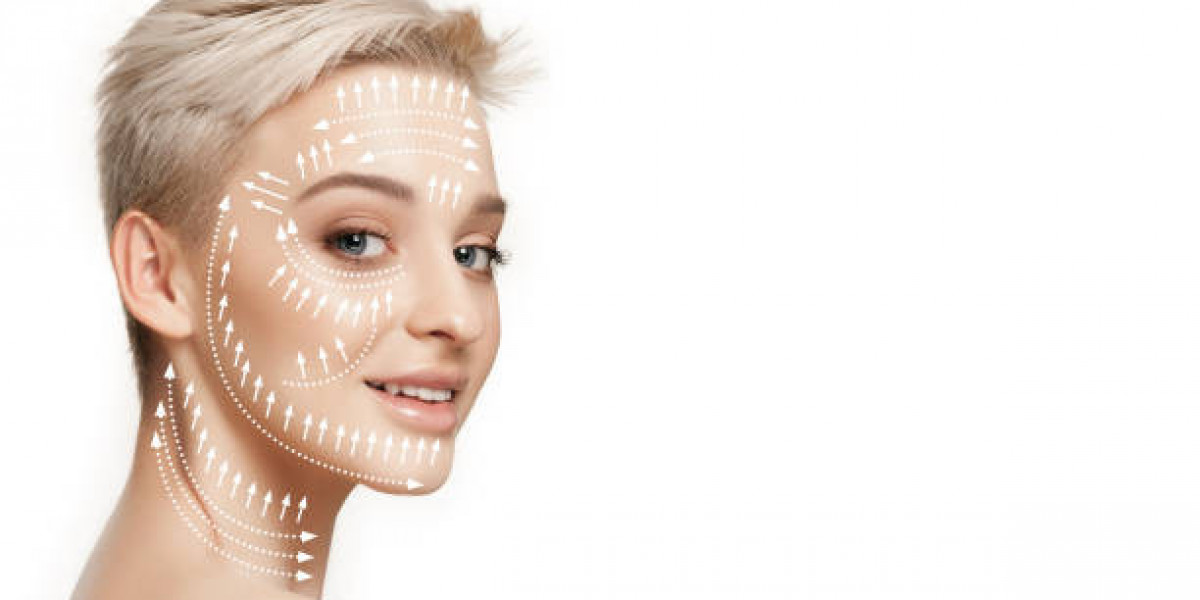
A facelift, also known as rhytidectomy, is a cosmetic surgical procedure designed to improve visible signs of aging, particularly sagging cheeks, jowls, loose skin, and reduced jawline definition. Depending on the surgical technique, the surgeon may reposition underlying facial tissues and remove excess skin to create a firmer, smoother contour.
A facelift is generally considered for people with moderate to significant facial sagging that cannot be adequately addressed by relaxing facial muscles alone. The procedure requires surgical planning, anesthesia, recovery time, and follow-up care. Although it can create lasting improvements, it does not stop the natural aging process or remove every wrinkle.
What Is Botox?
Botox is a brand of botulinum toxin used in carefully controlled doses to temporarily relax specific muscles. In cosmetic treatment, it is commonly used to soften dynamic wrinkles that develop from repeated facial movements, such as frowning, squinting, or raising the eyebrows.
Common treatment areas include forehead lines, frown lines between the eyebrows, and crow's feet around the eyes. The injections are nonsurgical and usually require little downtime, although temporary redness, tenderness, or bruising may occur. Results are temporary, so repeat treatment may be needed to maintain the effect.
Botox does not remove excess skin or reposition sagging facial tissues. It is therefore not a substitute for facelift surgery when the primary concern is significant jowling or loose skin.
Facelift vs Botox: Key Differences
Treatment Goals
A facelift primarily improves facial sagging, excess skin, and changes in the position of underlying tissues. Botox targets muscle activity that contributes to certain expression lines. The treatments address different causes of facial aging, so one is not universally better than the other.
Types of Wrinkles Treated
Botox is most effective for selected dynamic wrinkles that appear or deepen during facial movements. A facelift may soften some deep folds associated with sagging tissues, particularly around the cheeks and lower face. However, neither treatment removes every wrinkle, and fine lines caused by sun damage or changes in skin texture may require other approaches.
Procedure and Recovery
A facelift is surgery and usually involves a more involved recovery period, including swelling, bruising, and temporary changes in sensation. Botox involves injections and generally allows patients to return to normal activities quickly, although individual instructions may vary. Patients should understand the recovery requirements before choosing either treatment.
How Long Results Last
Facelift results may remain visible for many years, although natural aging continues after surgery. Botox results typically last around three to four months, but duration varies with the treatment area, dose, muscle activity, and individual response. Maintenance appointments may be needed to preserve the effect of Botox.
Overall Facial Appearance
A facelift can improve facial contours and reduce the appearance of sagging, helping create a firmer lower face and jawline. Botox can soften selected expression lines while preserving facial movement when appropriately administered. The expected appearance depends on the treatment plan, individual anatomy, and the practitioner's technique.
Who Is a Good Candidate for a Facelift?
A facelift may be suitable for adults who are concerned about sagging cheeks, prominent jowls, loose skin, or a less defined jawline. Candidates should be in suitable overall health, understand the surgical risks, and have realistic expectations about the results.
People whose main concerns involve significant tissue descent are more likely to benefit from discussing surgical options with a qualified plastic surgeon. During a consultation, the surgeon evaluates facial anatomy, medical history, medications, skin quality, and treatment goals. Other options may be recommended if surgery is not appropriate.
Who Is a Good Candidate for Botox?
Botox may be appropriate for adults who want to soften dynamic wrinkles without undergoing surgery. It can be useful for forehead lines, frown lines, and crow's feet when these concerns are related to muscle movement.
Botox may not adequately address deep folds caused by facial sagging or volume loss. A qualified medical professional should assess the treatment area, medical history, medications, and expectations before administering injections. Patients should seek treatment from an appropriately trained and licensed provider who can explain potential side effects and aftercare.
Can You Combine a Facelift and Botox?
Some patients may benefit from combining facelift surgery with Botox because the treatments address different concerns. A facelift can improve sagging skin and facial contours, while Botox may soften dynamic wrinkles in selected areas of the face.
The timing of Botox treatment in relation to surgery should be determined by the treating surgeon or qualified injector. Combining treatments is not necessary for everyone, and the safest plan depends on individual needs, recovery, and medical suitability.
How to Choose the Right Treatment
The best treatment depends on the specific changes you want to improve. If your main concern is forehead lines or crow's feet caused by repeated facial expressions, Botox may be worth discussing. If you are concerned about loose skin, jowls, and significant sagging, a facelift consultation may be more appropriate.
For individuals researching Facelift in Riyadh, an individualized assessment can help identify the cause of facial aging and establish realistic expectations. Ask about the benefits, limitations, potential risks, recovery requirements, and expected duration of results for each recommended option. A treatment should be selected according to your needs rather than popularity alone.
Book a Consultation at Royal Clinic Saudia
Royal Clinic Saudia can be a starting point for discussing facial rejuvenation and exploring available treatment options. During a consultation, you can ask whether facelift surgery, Botox, or another approach may be suitable for your concerns. A personalized assessment helps you understand the expected results, potential risks, and aftercare requirements before making an informed decision.
FAQs:
Is a facelift better than Botox?
Neither treatment is universally better. A facelift addresses sagging skin and underlying tissues, while Botox softens certain expression lines caused by muscle movement. The appropriate option depends on the concern being treated.
Can Botox lift sagging facial skin?
Botox may create subtle changes in the position of certain facial features when used for specific indications, but it does not remove excess skin or provide the same structural lifting as facelift surgery. Significant sagging requires a different assessment.
How long do facelift and Botox results last?
Facelift improvements may remain visible for many years, although aging continues. Botox results commonly last around three to four months, with individual variation.
Can I have Botox after facelift surgery?
Some patients may receive Botox after a facelift, but timing should be determined by the surgeon or qualified injector. Treatment should wait until it is appropriate for the patient's healing and recovery.