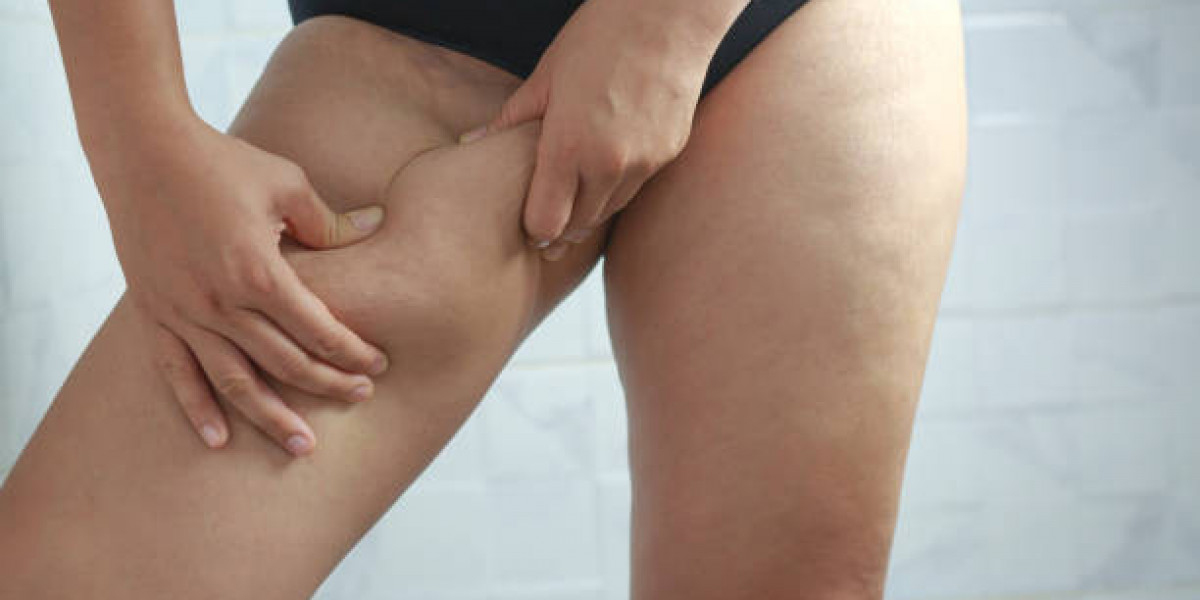

Lipedema is a chronic condition involving an abnormal buildup of fat tissue, most commonly in the legs and sometimes the arms. It may cause tenderness, easy bruising, swelling, and discomfort during daily activities. Weight management can play an important role in overall care, particularly when a person also has overweight or obesity. As part of Treatment of lipedema in Riyadh (علاج الوذمة الشحمية في الرياض), understanding how body weight affects mobility, joint health, and associated symptoms can help people make informed decisions about their treatment plan.
One important point is that lipedema is not simply caused by excess body weight. The affected tissue can be resistant to conventional weight-loss methods, so losing weight does not necessarily eliminate the disproportionate fat distribution associated with the condition. However, maintaining a healthy body composition may support physical function and general health. For people considering Treatment of lipedema in Riyadh, a personalized approach that combines appropriate nutrition, physical activity, symptom management, and medical guidance is often more helpful than focusing on the number on the scale alone.
Why Is Weight Management Important in Lipedema?
Weight management is relevant because excess body weight can add pressure to the joints, make movement more difficult, and contribute to other health concerns. When lipedema occurs alongside obesity, managing both conditions may help improve mobility and reduce some of the additional physical strain.
Weight management should not be viewed as a cure for lipedema. Instead, it is one component of a broader treatment strategy designed to maintain function, support long-term health, and address symptoms according to individual needs.
How Can Weight Management Affect Lipedema Symptoms?
Supporting Mobility and Joint Health
Painful or heavy legs can make walking, climbing stairs, and exercising challenging for people with lipedema. Additional body weight may increase stress on the knees, hips, ankles, and feet. Gradual, medically appropriate weight reduction may help decrease this extra strain in people who would benefit from it.
Improved mobility can make it easier to participate in daily activities and maintain regular movement. However, the degree of improvement varies, and lipedema-related pain or tissue enlargement may remain even after weight loss.
Helping Manage Swelling and Discomfort
Lipedema may involve tenderness and swelling, and some people also experience lymphatic or venous problems. Excess weight can complicate these issues in certain individuals. Addressing coexisting obesity may therefore form part of a plan to manage overall limb volume and physical discomfort.
Weight loss does not reliably eliminate lipedema-related swelling or pain. Compression garments, appropriate physical therapy, and other clinician-recommended measures may still be needed to manage symptoms.
Supporting Metabolic and General Health
Maintaining a suitable weight can help reduce the risk of certain weight-related health problems, including type 2 diabetes, high blood pressure, and cardiovascular disease. These conditions can affect a person's overall well-being and may complicate treatment planning.
A balanced diet and sustainable physical activity routine can support metabolic health while helping preserve muscle strength. The aim should be better health and function rather than pursuing a particular body shape.
Can Weight Loss Remove Lipedema Fat?
Weight loss may reduce general body fat and can sometimes reduce overall leg volume in people with lipedema, especially when excess weight is also present. However, the abnormal fat tissue associated with lipedema often responds differently from ordinary fat tissue. Its size and distribution may persist even when a person loses a significant amount of weight.
This distinction is important because unsuccessful attempts to change affected areas through dieting alone can be frustrating. Lipedema is a medical condition, not a sign of poor discipline or a lack of effort. A healthcare professional can help distinguish lipedema-related tissue from other contributors to limb enlargement and discuss realistic treatment goals.
Healthy Strategies for Weight Management With Lipedema
Choose a Sustainable Eating Pattern
A balanced eating plan can include vegetables, fruits, whole grains, lean protein, legumes, nuts, seeds, and healthy fats. A Mediterranean-style eating pattern may be a practical option because it emphasizes nutrient-rich foods and supports general cardiovascular health.
Avoid extreme calorie restriction and short-term diets that are difficult to maintain. A registered dietitian can help tailor food choices to individual nutritional needs, preferences, and any existing health conditions.
Include Comfortable, Low-Impact Exercise
Movement can support muscle strength, cardiovascular fitness, and weight management. Depending on symptoms and physical ability, suitable activities may include walking, swimming, water exercise, cycling, or gentle strength training.
Start at a manageable level and increase activity gradually. A physiotherapist familiar with lipedema can help adapt exercise to pain, balance, joint limitations, and mobility needs.
Focus on Long-Term Habits
Regular meals, adequate hydration, consistent sleep, and manageable activity goals can make healthy routines easier to maintain. Tracking changes in comfort, walking ability, energy, and daily function may provide a more useful picture of progress than weight alone.
If weight management is clinically appropriate, a gradual approach is generally preferable to rapid weight loss. Professional support may be particularly helpful for people who have struggled with repeated restrictive diets or feel distressed about their body shape.
Weight Management Alongside Other Lipedema Treatments
Weight management is only one part of comprehensive lipedema care. Depending on symptoms and clinical assessment, a treatment plan may include compression therapy, manual lymphatic drainage when appropriate, physical therapy, pain management, and evaluation for lipedema reduction surgery in selected cases.
Liposuction for lipedema is different from routine weight-loss treatment. It may be considered for selected patients to address affected tissue and persistent symptoms, but it requires specialist assessment and a discussion of potential risks, benefits, and limitations. It is not a substitute for managing coexisting obesity or maintaining long-term health.
Discuss Lipedema Care at Royal Clinic Saudia
If you are experiencing persistent leg or arm enlargement, tenderness, easy bruising, or difficulty with movement, a professional assessment can help identify the likely cause and appropriate next steps. At Royal Clinic Saudia (عيادات رويال كلينك), you can ask about Treatment of lipedema in Riyadh and discuss an individualized approach based on your symptoms, medical history, and goals. A qualified clinician can explain how weight management may fit into your overall care and whether additional treatment or specialist referral is appropriate.
FAQs:
Does losing weight cure lipedema?
No. Weight loss may improve general health and reduce some additional weight-related strain, but it does not reliably eliminate lipedema tissue or all associated symptoms.
Can gaining weight make lipedema symptoms worse?
Weight gain can increase overall limb volume and may add strain to joints and mobility. Its effect on pain and other symptoms varies, so changes should be discussed with a healthcare professional.
What exercise is best for weight management with lipedema?
There is no single best exercise for everyone. Walking, swimming, water-based exercise, cycling, and adapted strength training may be suitable depending on pain, mobility, and fitness. A physiotherapist can help develop a safe routine.
Should I lose weight before considering lipedema surgery?
That depends on your overall health, body composition, symptoms, and treatment goals. If obesity or related metabolic conditions are present, addressing them may be recommended before surgery. A specialist should assess your individual situation and explain the appropriate options.







