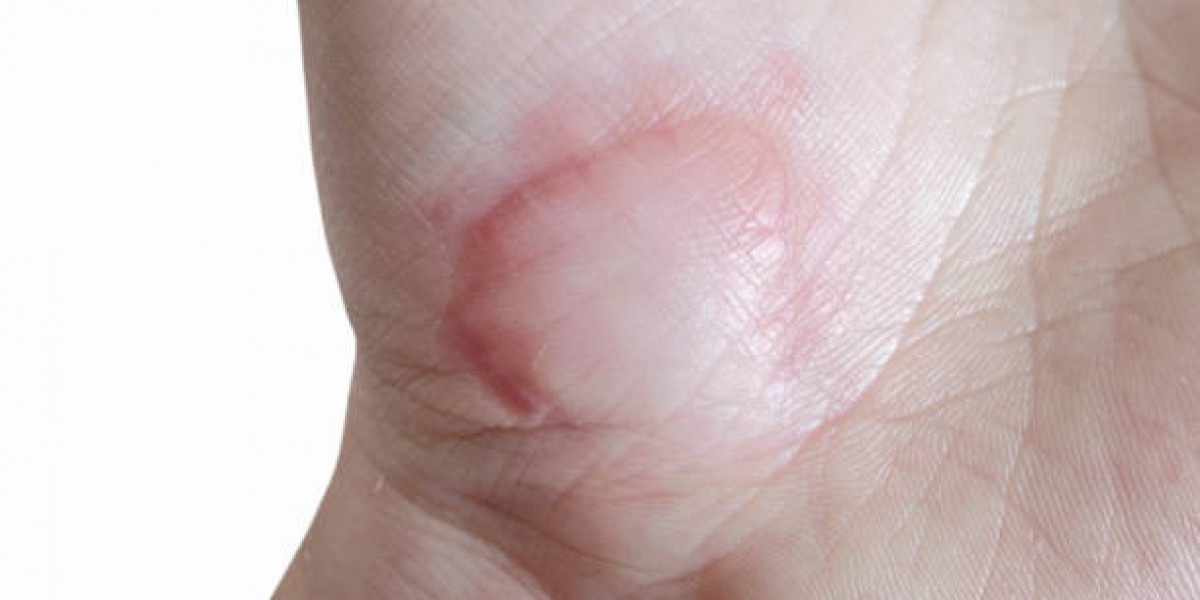

Warts are common skin growths caused by certain types of human papillomavirus (HPV). They can appear on the hands, feet, fingers, and other areas of the body, sometimes causing discomfort, spreading to nearby skin, or affecting confidence. Two treatment options that may be considered are laser wart removal and cryotherapy. Both aim to destroy wart tissue, but they work differently and may be suitable for different situations. Understanding their benefits, limitations, recovery times, and possible side effects can help patients make informed decisions about Warts Removal Treatment in Riyadh. The best option depends on the wart's size, location, treatment history, and individual skin health.
What Is Laser Wart Removal?
Laser wart removal uses concentrated light energy to target wart tissue or, depending on the laser type, the blood vessels that supply it. Some laser procedures destroy the affected tissue directly, while others aim to disrupt its blood supply so the wart can gradually resolve.
A clinician may consider laser treatment for selected persistent warts, particularly when other methods have not been successful. The procedure may require local anesthesia, depending on the technique and treatment area. The number of sessions and recovery time vary according to the wart's characteristics and the laser used.
What Is Cryotherapy for Wart Removal?
Cryotherapy is a treatment that freezes wart tissue, commonly using liquid nitrogen. The freezing process damages the affected cells, allowing the treated tissue to break down as the skin heals.
Cryotherapy is commonly used for certain warts on the hands and feet. During treatment, patients may feel intense cold, stinging, or brief pain. A blister or scab can develop afterward, and some warts require several sessions spaced over a period of weeks.
Laser Wart Removal vs. Cryotherapy: Key Differences
Although both treatments can help remove suitable warts, they differ in how they work and what patients may experience.
How the Treatments Work
Laser treatment uses focused light energy to target wart tissue or its blood supply. Cryotherapy uses extreme cold to damage the affected cells. The clinician selects a method based on the wart's type, location, and treatment history.
Treatment Time and Number of Sessions
Both methods can often be performed during an outpatient appointment. Some warts respond after one session, but neither method guarantees complete clearance in a single visit. Laser treatment may require additional sessions, while cryotherapy commonly involves repeat treatments for persistent warts.
Discomfort During Treatment
Both methods can cause discomfort. Cryotherapy may produce an intense cold sensation, followed by soreness or blistering. Laser treatment may cause warmth, stinging, or tenderness, and some procedures use local anesthesia to manage pain. The experience depends on the treatment method and the wart's location.
Recovery and Healing
After cryotherapy, the treated area may blister, swell, or form a scab. Laser procedures may cause redness, tenderness, or a wound that requires dressing and careful aftercare. Healing can take several days to a few weeks, depending on treatment depth and location. Warts on the soles of the feet may need extra attention because walking places pressure on the treated skin.
What Are the Benefits of Laser Wart Removal?
Laser treatment can be an option for selected persistent or difficult-to-treat warts. Its main potential advantages include the ability to target affected tissue and the availability of different laser techniques for specific clinical situations.
A clinician may consider laser treatment when common approaches have not worked or when the characteristics of the wart make another method less suitable. However, laser procedures may involve greater expense, specialized equipment, wound care, or a risk of scarring and pigmentation changes. These factors should be discussed before treatment.
What Are the Benefits of Cryotherapy?
Cryotherapy is widely used for many common warts and can usually be performed without a surgical procedure. The treatment is relatively quick, and the freezing intensity can be adjusted according to the wart and treatment site.
It may be a suitable option for certain warts on the hands and feet. However, repeated sessions are often necessary, and temporary blistering, pain, or skin color changes can occur. Cryotherapy is not ideal for every wart, especially when the lesion is in a sensitive area or the diagnosis is uncertain.
Which Treatment Is More Effective?
Neither laser treatment nor cryotherapy is universally better. The effectiveness of each method depends on the type of wart, its thickness, location, previous treatments, and the patient's response. Some warts clear with cryotherapy, while selected persistent cases may benefit from laser treatment or another approach.
Recurrence is possible with both methods because HPV may remain in nearby skin. A qualified healthcare professional can explain the likely benefits and limitations of each option based on the individual case. Treatment success should be assessed after allowing sufficient time for the skin to heal.
Which Treatment Has Fewer Side Effects?
Both treatments can cause temporary discomfort and skin irritation. Cryotherapy commonly causes redness, swelling, blistering, and sometimes temporary changes in pigmentation. Laser treatment may cause tenderness, scabbing, pigment changes, infection, or scarring, depending on the technique and treatment depth.
The risk of side effects depends on the wart's location, the procedure performed, and individual skin characteristics. People with darker skin tones may be more likely to notice some pigment changes after skin procedures. Patients with diabetes, circulation problems, reduced sensation, or impaired wound healing should discuss these conditions before treatment.
How Do You Choose the Right Wart Removal Treatment?
Choosing between laser treatment and cryotherapy begins with an accurate diagnosis. The clinician considers the wart's size, location, thickness, duration, previous treatment results, and any relevant medical conditions. Other treatments, including topical medicines or selected procedures, may also be appropriate.
Avoid trying to remove suspicious growths at home, especially if they bleed, change in appearance, grow rapidly, or cause persistent pain. Warts on the face, near the eyes, or around the genitals require specific medical guidance. Professional Warts Removal Treatment in Riyadh can help patients understand their options and choose an approach suited to their skin and clinical needs.
Book a Consultation at Royal Clinic Saudia
If you are unsure whether laser wart removal or cryotherapy is right for you, consider arranging a consultation at Royal Clinic Saudia. A qualified healthcare professional can assess the wart, explain suitable treatment methods, and discuss potential side effects, healing time, and follow-up care.
FAQs:
Is laser wart removal better than cryotherapy?
Neither method is best for every wart. Cryotherapy is commonly used for many ordinary warts, while laser treatment may be considered for selected persistent cases. The appropriate choice depends on the wart and the patient's skin health.
Which treatment removes warts faster?
The time needed for clearance varies. Some warts respond after one session of either treatment, while others need repeated sessions. The treated skin also requires time to heal, so immediate removal does not always mean immediate recovery.
Does laser wart removal hurt more than cryotherapy?
Both treatments can cause discomfort. Cryotherapy may produce intense cold and subsequent blistering, while laser procedures can cause warmth or stinging. Local anesthesia may be used for certain laser procedures, depending on the treatment plan.
Can warts return after laser treatment or cryotherapy?
Yes. Both methods can remove visible wart tissue, but recurrence is possible because HPV may remain in surrounding skin. A clinician can assess a returning wart and recommend an appropriate next step.