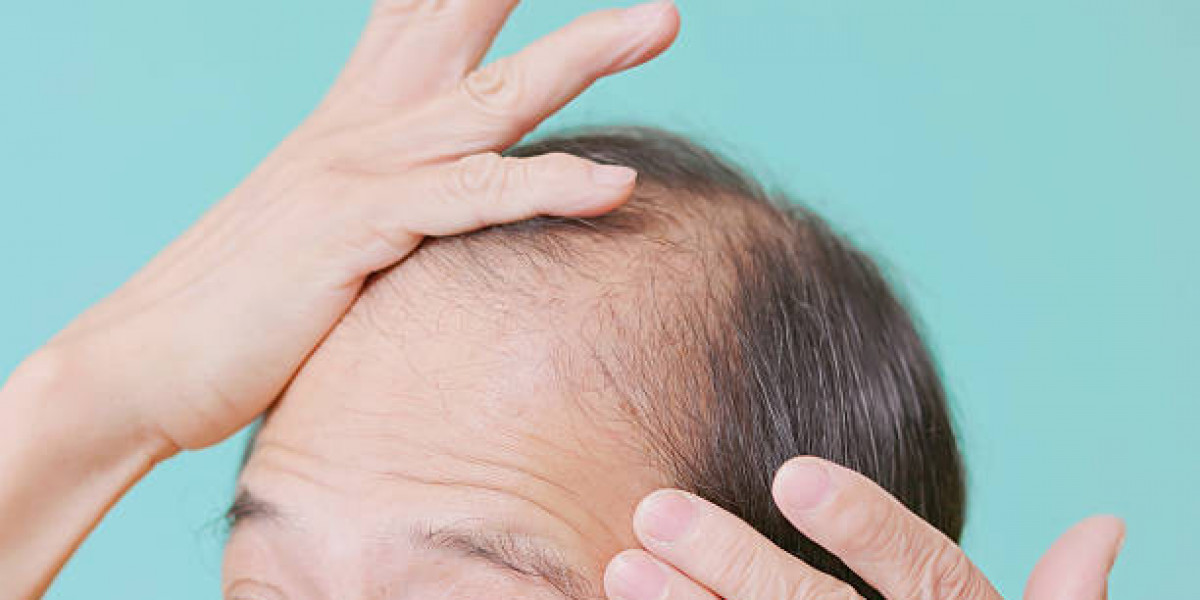

Thinning hair can make the scalp appear more visible and may leave people wondering whether treatments can improve not only hair growth but also the appearance of individual strands. PRP Hair Treatment in Riyadh has gained attention as a minimally invasive option because platelet-rich plasma contains growth factors that may support hair follicles and improve overall hair density. However, whether PRP consistently makes each individual hair strand thicker is a more complicated question, and results can vary between patients.
PRP, or platelet-rich plasma, is prepared from a patient's own blood. A small blood sample is processed to concentrate platelets and other components before the PRP is injected into selected areas of the scalp. Research suggests that PRP may improve hair density and reduce hair loss in some people, particularly those with androgenetic or pattern hair loss. However, recent evidence has not consistently demonstrated a significant improvement in hair thickness itself.
How PRP May Improve Hair Appearance
Supporting the hair follicles
The rationale behind PRP is that concentrated platelets contain biologically active substances that may influence the environment around hair follicles. By delivering PRP into areas affected by thinning, treatment may support follicular activity and encourage healthier hair growth. The goal is generally to improve the condition of existing follicles rather than create entirely new follicles.
Increasing overall hair density
One of the more consistent findings in PRP research is an improvement in hair density. Several systematic reviews and meta-analyses have reported that PRP can increase the number of hairs per area of scalp compared with control treatments, although study quality and treatment protocols vary.
This distinction is important because greater density can make the hair look fuller even when individual strands do not become substantially thicker. For someone experiencing gradual thinning, having more visible growing hairs may create a noticeable improvement in overall scalp coverage.
Can PRP Actually Make Individual Hair Strands Thicker?
The evidence is mixed
The answer is not a simple yes or no. Some earlier research reported improvements in hair diameter or thickness following PRP treatment, while other meta-analyses found no statistically significant difference in hair diameter compared with control groups.
A recent systematic review and meta-analysis published in 2025 included 43 randomized controlled trials involving 1,877 participants. It found evidence supporting improvements in hair density and reduced hair loss, but did not find a significant overall benefit for hair thickness. The authors also highlighted differences in PRP preparation and study methods as limitations when interpreting the results.
Why results can differ
PRP treatment is not completely standardized. The concentration of platelets, preparation method, whether the PRP is activated, injection technique, treatment frequency, and the underlying type of hair loss can all influence outcomes. This variability makes it difficult to predict exactly how much thickening an individual patient will experience.
Who May Benefit From PRP Hair Treatment?
People with pattern hair thinning
PRP has been studied particularly in people with androgenetic alopecia, also called male or female pattern hair loss. Research indicates that PRP may increase hair density in some patients with this condition. However, the quality and consistency of evidence vary, so an evaluation is important before deciding whether PRP is appropriate.
Patients with viable hair follicles
PRP is generally intended to support existing follicles rather than restore areas where follicles have been permanently destroyed. For this reason, the cause and stage of hair loss matter. A dermatologist or qualified hair-restoration professional can assess the scalp and determine whether follicles are still producing hair.
What Results Should You Expect?
Fuller-looking hair rather than instant thickening
Patients should not expect PRP to immediately transform fine hair into thick strands. If treatment works, improvements generally develop gradually as the hair-growth cycle progresses. Increased density and reduced shedding may contribute to a fuller appearance over time.
Individual responses vary
Some patients may notice improved coverage, while others may experience a more modest response. The outcome can depend on the underlying diagnosis, severity of hair loss, follicle health, age, general health, and treatment protocol. PRP should therefore be viewed as a treatment that may support hair restoration rather than a guaranteed solution for every type of thinning.
Can PRP Be Combined With Other Hair Treatments?
Depending on the diagnosis, PRP may be considered alongside other evidence-based approaches for hair loss. Recent research comparing PRP with topical minoxidil suggests that PRP may have potential benefits, but the available studies do not establish a clear overall advantage of one treatment across all important outcomes.
A personalized treatment plan may therefore involve more than one approach. The appropriate combination should be determined after identifying the underlying cause of hair loss rather than simply combining treatments based on popularity.
When Should You Consider a Hair Evaluation?
Hair thinning can result from androgenetic alopecia, nutritional deficiencies, hormonal changes, certain medical conditions, medications, stress-related shedding, or other causes. Treating the wrong condition may delay appropriate care. A professional assessment can help determine whether PRP is suitable and whether another treatment or combination approach may be more appropriate.
If you are considering PRP Hair Treatment in Riyadh, discussing your hair-loss pattern, medical history, current medications, and treatment expectations with a qualified professional can help you make a more informed decision. PRP may improve density and the overall appearance of thinning hair, but current evidence does not guarantee that every patient will experience significant thickening of individual strands.
Book an Appointment at Royal Clinic Saudia
If thinning or fine hair is affecting your confidence, Royal Clinic Saudia can provide a professional assessment and discuss whether PRP may be suitable for your hair-loss concerns. Book an appointment to develop a treatment approach based on your individual needs and scalp condition.
FAQs:
Does PRP make thin hair look thicker?
PRP may make hair appear fuller by supporting hair density and reducing hair loss in some patients. However, evidence that it consistently increases the thickness of individual hair strands remains mixed.
How long does it take to see PRP hair results?
Hair changes are gradual because hair grows in cycles. If PRP is effective, improvements are generally assessed over time rather than immediately after treatment.
Is PRP effective for every type of hair loss?
No. PRP has been studied most extensively for pattern hair loss. Because hair loss has many possible causes, identifying the underlying condition is important before choosing treatment.
Can PRP regrow completely bald areas?
PRP is primarily intended to support existing hair follicles. It should not be presented as a guaranteed way to regenerate follicles that have been permanently lost. A professional scalp assessment can help determine what treatment options may be realistic.