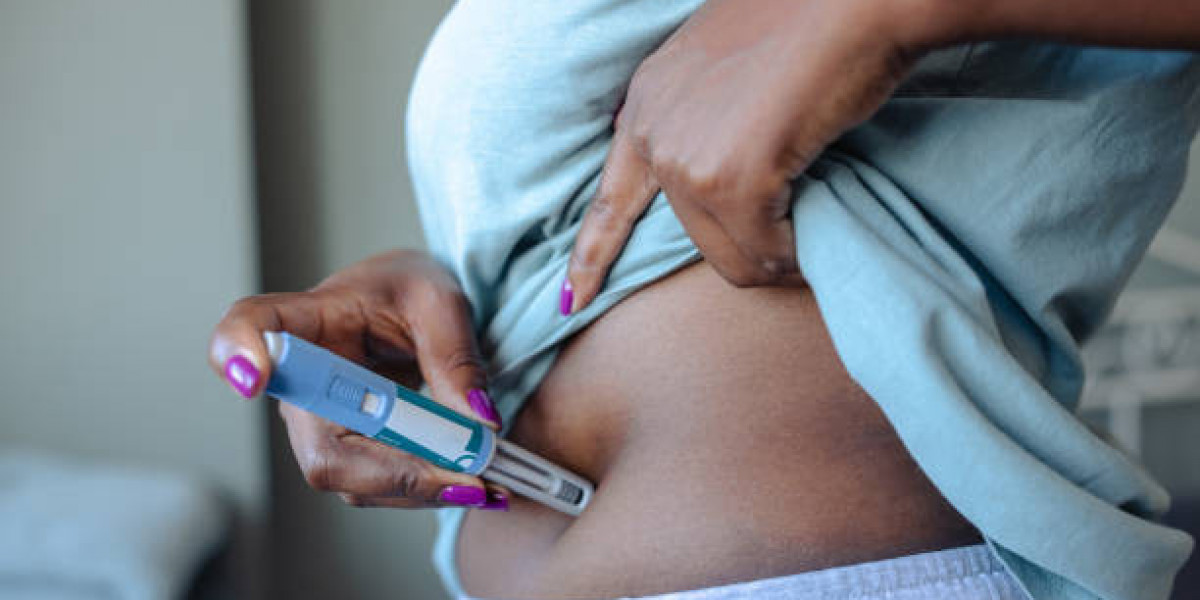

Ozempic treatment is most effective when it forms part of a broader approach to health rather than becoming the only focus. For people using Ozempic Injections in Riyadh, building consistent habits around nutritious food, physical activity, sleep, hydration, and medical follow-up can support overall health while complementing prescribed treatment. Ozempic is indicated for specific adults with type 2 diabetes and is used alongside diet and exercise, so lifestyle habits remain an important part of care.
Maintaining healthy routines can become easier when changes are realistic and gradual. People receiving Ozempic Injections in Riyadh should avoid treating the medication as a replacement for healthy choices. Instead, the goal should be to develop habits that can continue over time, with adjustments based on individual health needs, treatment response, and guidance from a healthcare professional.
Build a Balanced Eating Routine
Choose nutrient-rich foods
A balanced eating pattern can help provide the nutrients your body needs while supporting blood sugar management. Meals can emphasize vegetables, fruits, whole grains, lean protein sources, and other minimally processed foods. A healthcare professional or registered dietitian can help create a meal plan that fits your medical needs and lifestyle.
Rather than following extreme diets, focus on sustainable choices that you can maintain. Reducing highly processed foods and excessive added sugars while including nutritious foods can make healthy eating more practical. Portion awareness can also be useful, particularly when appetite changes during treatment.
Avoid overly restrictive eating
Reduced appetite can occur during Ozempic treatment, but eating too little can make it difficult to obtain adequate nutrition. Instead of skipping meals simply because you are less hungry, aim for balanced meals and discuss significant appetite changes with your healthcare professional.
Stay Physically Active
Start with manageable activities
Regular physical activity is an important part of diabetes management and general health. If you are not currently active, beginning with short walks or other comfortable activities can make exercise easier to establish as a routine. The CDC notes that activity can be built gradually, with a common goal of at least 150 minutes of moderate-intensity activity each week for many adults.
Include strength-building activities
Strength exercises can complement aerobic activity by helping support muscle strength and physical function. Your exercise routine should reflect your current fitness level and medical condition. If you have health limitations or are starting a more demanding exercise program, seek professional guidance first.
Prioritize Hydration
Make fluids part of your routine
Staying hydrated is an important everyday habit, particularly if you experience gastrointestinal symptoms such as vomiting or diarrhea. These symptoms can contribute to fluid loss, and the current Ozempic prescribing information includes warnings about dehydration-related kidney problems.
Keep water available throughout the day and pay attention to signs that you may not be drinking enough. If vomiting or diarrhea is persistent, contact your healthcare professional rather than attempting to manage significant dehydration on your own.
Protect Your Sleep and Manage Stress
Create a consistent sleep routine
Sleep is another important part of maintaining healthy habits. Going to bed and waking at consistent times, limiting distractions before bedtime, and creating a comfortable sleep environment can make a regular sleep schedule easier to maintain. The CDC also identifies adequate sleep and stress management as important components of living well with diabetes.
Find practical ways to reduce stress
Stress can make healthy routines harder to maintain. Walking, relaxation exercises, hobbies, social connection, and other enjoyable activities may help you manage everyday stress. Choose approaches that fit naturally into your schedule rather than adding another demanding task to your routine.
Track Your Progress Without Becoming Obsessed
Monitor useful health information
Keeping track of habits can help you recognize patterns and identify areas that need improvement. Depending on your treatment plan, this may include recording meals, physical activity, weight changes, blood glucose readings, or symptoms.
Tracking should be a tool rather than a source of pressure. Your healthcare team can help determine which measurements are actually useful for your individual situation. The CDC recommends making goals specific and tracking progress as ways to support lasting habits.
Focus on consistency
Healthy living does not require perfection. Missing a workout or having an occasional less-balanced meal does not mean your entire routine has failed. Returning to your normal habits at the next opportunity is usually more productive than trying to compensate with extreme dieting or excessive exercise.
Follow Your Prescribed Treatment Plan
Take medication as directed
Ozempic is administered once weekly according to the prescribed treatment plan. Patients should follow their healthcare professional's instructions and should not independently increase, decrease, or discontinue their medication.
Regular medical appointments can also help your healthcare team evaluate how you are responding to treatment and whether your overall plan needs adjustment. Lifestyle habits and medication should work together as part of appropriate medical care.
Make Healthy Habits Easier to Maintain
Create simple routines
Small changes can be easier to maintain than major lifestyle overhauls. For example, scheduling a short walk after dinner, preparing balanced meals ahead of time, keeping water nearby, or setting a consistent bedtime can turn healthy behaviors into familiar routines. The CDC recommends making goals specific, realistic, and measurable when developing new habits.
Get professional support
You do not have to manage every aspect of your health alone. A healthcare professional, dietitian, diabetes educator, or qualified exercise professional may provide useful guidance depending on your needs. Individual recommendations are especially important if you have diabetes, other medical conditions, or take additional medications.
What Should You Avoid During Ozempic Treatment?
Avoid making major dietary or exercise changes without considering your health status. Extreme calorie restriction, dehydration, excessive exercise, or independently changing medication doses can create unnecessary risks. Instead, aim for balanced nutrition, regular movement, adequate fluids, sufficient sleep, and ongoing communication with your healthcare team.
Healthy habits can make treatment more sustainable and help you focus on long-term health rather than short-term results. If you are considering Ozempic Injections in Riyadh, an appropriate medical assessment can help determine whether this prescription treatment is suitable and how lifestyle changes can fit into your individual care plan.
Book an Appointment at Royal Clinic Saudia
If you are considering Ozempic treatment and want guidance on developing healthier daily habits alongside your treatment plan, Royal Clinic Saudia can provide professional support. Book an appointment to discuss your goals, medical history, lifestyle, and appropriate treatment options.
FAQs
Can I eat normally while taking Ozempic?
You can generally continue eating, but choosing balanced, nutrient-rich foods and appropriate portions can support overall health. Your individual dietary needs may depend on your medical conditions, medications, and treatment goals.
Should I exercise while taking Ozempic?
Physical activity is an important part of healthy living and diabetes management. Start at a level appropriate for your fitness and health, then gradually increase activity as tolerated and advised by your healthcare professional.
How can I stay hydrated during Ozempic treatment?
Make water and other appropriate fluids part of your daily routine. If you experience persistent vomiting or diarrhea, contact your healthcare professional because significant fluid loss can lead to dehydration.
Can healthy habits replace Ozempic?
Healthy habits and prescribed medication serve different purposes. Ozempic should be used according to the treatment plan provided by your healthcare professional, while healthy eating and physical activity remain important components of overall health.