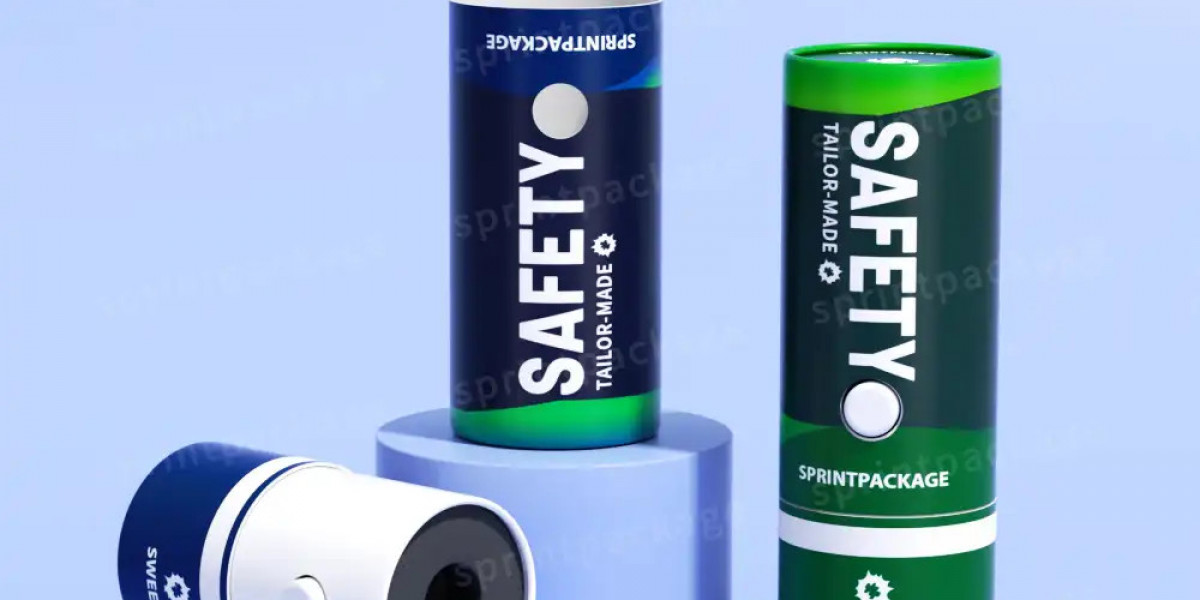

Packaging is changing quickly. Regulations on plastic are tightening, consumers are asking sharper questions, and brands are under pressure to prove their claims. At the same time, technology is making new materials, coatings, and designs possible. Paper cylinders sit comfortably in this landscape, since they are made from a renewable, widely recycled material and can be adapted to many products. Sprintpackage highlights recycled, recyclable, biodegradable, and food-safe options in its range. This article looks at where eco-packaging is heading and how paper cylinder packaging may evolve, offering practical guidance for brands that want to prepare for the next phase of sustainable design.
Stricter Regulations and Higher Expectations
Governments in many regions are introducing rules on packaging waste, recycled content, labeling, and extended producer responsibility. Retailers are adding their own requirements, and customers are quick to challenge vague environmental claims. Brands must therefore choose materials and suppliers that can document what they offer. Ask your supplier for current information on recycled content, recyclability, and any certifications relevant to your market. The website does not list specific certificates, so request them directly. Preparing for regulation early is cheaper than changing packaging in a hurry once a rule takes effect.
Better Barrier Solutions Without Plastic
One of the biggest challenges is protecting products from moisture, grease, and oxygen without plastic layers. Innovation continues in water-based coatings, fibre-based barriers, and improved liners that remain recyclable. Progress is real, but performance varies by product, so testing remains essential. Brands should ask suppliers about emerging options and request samples. Where full replacement is not yet practical, reducing plastic quantity or making components easy to separate is a worthwhile step. Honest communication about what has been achieved, and what is still being improved, builds credibility with customers. Keep these points in mind whenever you compare paper cylinder packaging options for your own products.
Lighter, Smarter Structures
Future tubes will likely use less material while maintaining strength. Better design, improved paper quality, and efficient manufacturing can reduce weight and shipping impact. Right-sizing and customization, which the company offers, play a part by fitting the tube precisely to the product. Digital tools make prototyping faster, allowing more testing before mass production. Brands can contribute by sharing accurate product data and being open to design adjustments. Lighter packaging lowers freight costs and emissions, which means environmental and financial goals often move in the same direction.

Reuse, Refill, and Circular Systems
Interest is growing in packaging that customers keep, refill, or return. Cylinders are natural candidates, since a well-made tube can be reused for storage, and refill pouches can reduce material use. Brands may experiment with deposit schemes, refill stations, or collection programs. These systems require thought about logistics, hygiene, and customer behavior, so start with small pilots. Design tubes that are durable, attractive, and easy to reclose. Even without formal programs, encouraging reuse through design and messaging extends the life of the packaging and strengthens the brand relationship.
Preparing Your Brand for What Comes Next
To get ready, audit your current packaging against likely future expectations. Identify non-recyclable components, vague claims, and oversized designs. Talk to your supplier about alternatives, and test small changes before rolling them out. Keep documentation organized. Follow regulatory developments in your target markets. The best preparation is a habit of continuous improvement rather than a single big redesign. With a flexible partner and a willingness to adapt, brands can ensure that their paper tubes remain relevant, responsible, and appealing as the definition of good packaging keeps moving forward. The brands that will look best in the coming years are likely to be those that begin experimenting now, in small and measurable ways, and that choose partners willing to share information, test alternatives, and adjust course as regulations, materials, and customer expectations continue to develop. Written specifications, physical samples, and open communication remain the most dependable tools a buyer has, and using them consistently turns good intentions into packaging that performs.