
Technology projects can quickly become complicated when a business tries to manage everything internally. Whether the goal is upgrading network infrastructure, moving systems to the cloud, implementing new software, improving cybersecurity, or replacing outdated hardware, poor planning can lead to delays, budget problems, security gaps, and operational disruption.
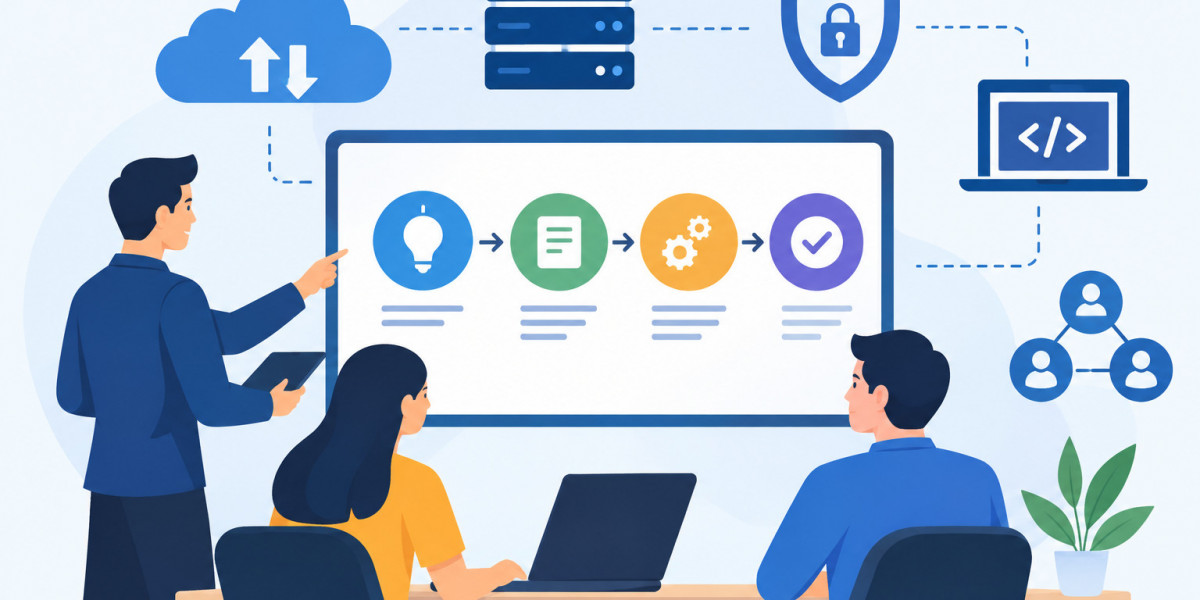
IT project services provide structured support for planning, coordinating, implementing, and completing technology initiatives. Instead of treating an IT project as a collection of individual tasks, businesses can use a defined process that connects technical requirements with business objectives.
For organizations that already have an internal IT team, outside project support can also provide additional expertise and resources when workloads become difficult to manage.
What Are IT Project Services?
IT project services are professional technology services designed to help businesses manage specific IT initiatives from planning through completion. These services may cover project strategy, technology assessment, implementation, system migration, infrastructure upgrades, cybersecurity improvements, software deployment, and post-project support.
A typical IT project may involve multiple people, vendors, technologies, deadlines, and business departments. IT project management helps coordinate these moving parts so everyone understands their responsibilities and the expected outcome.
Depending on the project, support may include:
- IT project planning and scheduling
- Technology assessments
- Network and infrastructure upgrades
- Cloud migration projects
- Software and hardware implementation
- Cybersecurity projects
- Data migration
- System integration
- Vendor coordination
- Project documentation
- Testing and deployment
- Post-implementation support
The exact scope depends on the organization's goals, existing technology environment, and project complexity.
Why Do Businesses Struggle With IT Projects?
Many technology projects fail to deliver the expected results because the business focuses on the technology itself rather than the complete project lifecycle.
For example, purchasing new software does not automatically solve an operational problem. Employees may need training, existing systems may require integration, data may need to be migrated, and security settings may need to be configured before the solution is ready.
Common IT project challenges include:
Unclear Project Requirements
A project can move in the wrong direction when requirements are not clearly defined at the beginning. Establishing business goals, technical requirements, project scope, and expected outcomes helps prevent unnecessary work.
Unexpected Costs
Technology projects can involve licensing, hardware, labor, migration, training, and third-party expenses. A detailed project plan can identify potential costs before implementation begins.
Business Disruption
Replacing infrastructure or deploying new systems can affect employees and customers. Proper scheduling, testing, and deployment planning can reduce downtime and operational interruptions.
Limited Internal Resources
Internal IT employees may already be responsible for daily support, cybersecurity, maintenance, and user requests. Adding a large technology project can stretch their capacity.
IT project services can provide additional expertise without requiring a business to expand its permanent IT staff.
How IT Project Services Solve These Problems
A structured approach makes technology projects easier to control and measure.
1. Project Discovery and Assessment
The first step is understanding the current environment and defining what the business wants to accomplish. This may involve reviewing infrastructure, applications, security requirements, workflows, and existing technology.
The assessment helps identify dependencies and potential problems before implementation begins.
2. Project Planning
Once the requirements are understood, the project can be divided into manageable stages. A project plan may establish timelines, responsibilities, resources, milestones, risks, and deliverables.
This gives everyone a clear understanding of what needs to happen and when.
3. Technology Implementation
During implementation, technical specialists can configure systems, deploy hardware or software, migrate data, integrate applications, and complete other project-specific tasks.
Following a documented implementation process helps reduce mistakes and keeps the project aligned with its original objectives.
4. Testing and Validation
Testing is an important part of technology deployment. Systems should be evaluated before they are fully introduced into daily operations.
Testing may include functionality checks, security reviews, performance testing, data validation, and user acceptance testing.
Identifying problems before launch is generally easier and less disruptive than discovering them after employees begin using the new system.
5. Deployment and User Transition
A successful IT project is not finished simply because the technology has been installed. Employees need to understand how to use the new system, and business processes may need to be adjusted.
Depending on the project, training, documentation, communication, and phased deployment can make the transition easier.
How Managed IT Services Complement IT Projects
Businesses often use managed IT services for ongoing technology management while using specialized project services for major initiatives.
The two services can work together effectively.
Managed IT support may handle routine responsibilities such as system monitoring, helpdesk support, cybersecurity, maintenance, backups, and infrastructure management. IT project services, meanwhile, can focus on larger initiatives that require dedicated planning and implementation.
For example, a company may use ongoing IT support for its everyday technology needs while bringing in project specialists to migrate business systems to a cloud environment.
This approach allows routine operations to continue while the project receives focused attention.
Common Projects That Benefit From Professional IT Support
IT project services can be useful for many different technology initiatives. Examples include:
Cloud migration: Moving applications, data, or infrastructure to cloud platforms while managing security, compatibility, and business continuity.
Network upgrades: Replacing outdated network equipment, improving connectivity, or redesigning infrastructure to support business growth.
Cybersecurity improvements: Implementing stronger security controls, endpoint protection, access management, monitoring, or other security technologies.
Software implementation: Deploying new business applications and integrating them with existing systems.
Hardware refresh projects: Replacing aging computers, servers, networking equipment, or other technology assets.
Office technology projects: Supporting technology deployments for new offices, relocations, expansions, or business growth.
What Should Businesses Look for in an IT Project Partner?
Choosing the right technology partner can influence the outcome of a project. Businesses should consider whether the provider understands both technical requirements and business priorities.
Important factors include:
- Experience with similar technology projects
- Clear project planning and communication
- Defined scope and deliverables
- Strong cybersecurity practices
- Vendor and technology expertise
- Transparent project documentation
- Testing and quality assurance
- Post-project support
- Ability to work with internal IT teams
Good communication is particularly important. Business leaders should know what has been completed, what remains, whether risks have appeared, and whether the project is still aligned with its objectives.
A Better Way to Manage Technology Change
Technology projects should not be approached as one-time purchases. They are business initiatives that can affect employees, customers, security, productivity, and long-term growth.
Professional IT project services provide a structured way to move from an initial technology problem to a practical solution. Through assessment, planning, implementation, testing, and ongoing support, businesses can reduce avoidable problems and improve the likelihood of achieving their desired results.
For organizations managing multiple technology priorities, combining project expertise with reliable managed IT services can create a more consistent approach to both everyday IT operations and long-term technology improvements.