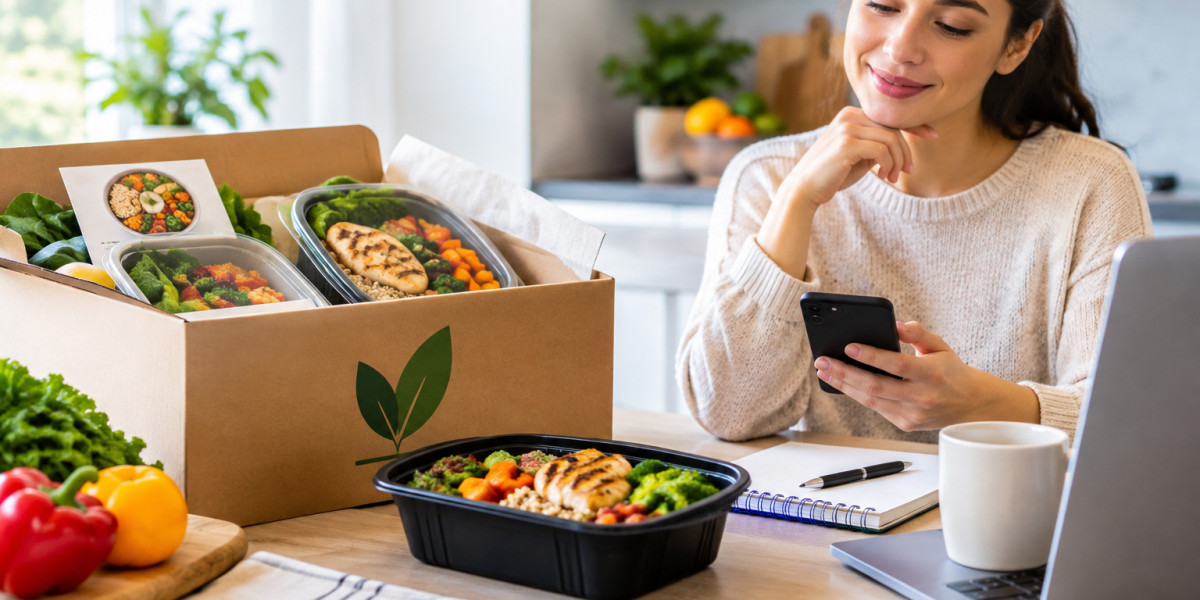

Eating well sounds simple until a busy schedule gets in the way. Long working hours, family responsibilities, commuting, and limited time for grocery shopping can make it difficult to prepare balanced meals every day. This is where meal delivery services can make healthy eating more practical.
However, choosing the right service isn't only about finding meals that look appealing. The best option should fit your nutritional needs, lifestyle, budget, food preferences, and long-term goals. A convenient meal service can help you stay consistent without requiring you to plan, shop, cook, and portion every meal yourself.
Start With Your Main Nutrition Goal
Before comparing meal providers, identify what you want your meals to help you achieve. Your needs may be different if you're trying to lose weight, build muscle, maintain your current weight, improve your eating habits, or simply save time.
For example, someone focused on weight management may benefit from controlled portions and meals with a balanced calorie content. Someone who exercises regularly may need meals containing enough protein, carbohydrates, and other nutrients to support training and recovery.
Knowing your goal makes it easier to eliminate services that don't match your requirements.
Look for Balanced and Nutritious Meals
Convenience should not come at the expense of nutrition. A good meal plan should provide a sensible combination of protein, carbohydrates, healthy fats, vegetables, and other nutrient-rich foods.
When reviewing a menu, look beyond calorie numbers. Consider the quality and variety of ingredients. Meals that include lean proteins, whole grains, vegetables, legumes, fruits, nuts, and healthy sources of fat can make everyday eating more balanced.
The goal isn't to find the meal with the fewest calories. It's to choose food that provides useful nutrition while supporting your personal requirements.
Check Portion Sizes
Portion size can have a major impact on your overall intake. Even nutritious food can contribute more calories than expected when portions are consistently too large.
Look for services that clearly explain serving sizes and, when available, provide nutritional information for each meal. This makes it easier to understand what you're eating and adjust your daily intake when necessary.
Clear portion information is especially useful for people working toward specific fitness or weight-management goals.
Consider Your Daily Schedule
The most nutritious plan won't help much if it doesn't fit your routine.
Think about when you normally eat breakfast, lunch, dinner, and snacks. Do you need meals every day or only during busy weekdays? Do you work from home, commute to an office, or travel frequently?
A suitable delivery schedule can remove some of the friction from healthy eating. If meals arrive at convenient times and require little preparation, you're more likely to follow the plan consistently.
Convenience is one of the biggest advantages of using prepared meals, but it works best when the service actually matches your lifestyle.
Review Food Preferences and Dietary Requirements
Food preferences should also influence your decision. Some people prefer high-protein meals, while others may want more plant-based options, lower-calorie dishes, or meals designed around specific dietary restrictions.
Check the menu carefully before subscribing. Look for ingredient information and ask the provider about allergens or ingredients you need to avoid.
If you have a medical condition or medically prescribed diet, it's important to speak with an appropriately qualified healthcare professional before making significant dietary changes.
Don't Ignore Ingredient Quality
A meal can fit a calorie target and still leave you unsatisfied if the ingredients and overall composition aren't suitable for you.
Look for menus built around recognizable, nutrient-dense ingredients. A variety of vegetables, quality protein sources, whole grains, and minimally processed foods can make meals more satisfying and enjoyable.
Ingredient variety also matters. Eating the same few meals repeatedly can become boring, which may make it harder to maintain the routine.
Compare Flexibility Before Subscribing
Your circumstances can change from week to week. That's why flexibility is an important feature when comparing meal providers.
Check whether you can select different meals, change delivery days, pause an order, adjust the number of meals, or modify your preferences. A rigid service may become inconvenient if your work schedule or personal routine changes.
Flexible options can make a meal program easier to maintain over the long term.
Think About Value, Not Just Price
Price is important, but the cheapest option isn't necessarily the best value.
When comparing costs, consider what you're actually receiving. Does the price include delivery? Are meals ready to eat? Do you need to purchase additional ingredients? How much time will you save on shopping, cooking, and cleaning?
A slightly higher-priced service may provide better value if it saves significant time and helps you avoid frequent takeaway meals.
It's useful to compare the total convenience and nutritional value rather than looking only at the advertised price per meal.
Make Healthy Eating Easier to Maintain
One of the biggest benefits of well-designed healthy meal plans is consistency. You don't need to make dozens of food decisions every day when your meals are already planned and prepared.
Consistency doesn't mean eating perfectly. It means creating a routine that is realistic enough to follow most of the time.
A practical meal delivery option can help reduce common barriers such as lack of preparation time, last-minute food choices, and frequent reliance on convenience foods.
Watch for These Common Mistakes
People often choose meal services based only on attractive menus or promotional prices. Before committing, avoid overlooking portion sizes, delivery conditions, ingredient information, flexibility, and your actual nutritional needs.
Another common mistake is choosing a plan that is too restrictive. If the meals leave you constantly hungry or don't fit your preferences, maintaining the routine may become difficult.
The best choice is usually one that provides a reasonable balance between nutrition, convenience, enjoyment, and affordability.
Build a Routine You Can Actually Follow
Choosing the right service is only the first step. You also need a routine that works in real life.
Plan where you'll store your meals, when you'll eat them, and what additional foods you may need during the week. Keep simple nutritious snacks available if appropriate, and stay hydrated throughout the day.
If your goal involves weight management or fitness, combine your meals with appropriate physical activity, adequate sleep, and realistic expectations.
A sustainable approach is generally more useful than trying to make dramatic changes for a short period.
Final Thoughts
Choosing the right meal delivery services can make nutritious eating easier when your schedule leaves little time for cooking and meal preparation. The key is to look beyond convenience and evaluate nutrition, portion sizes, ingredients, flexibility, delivery options, food preferences, and overall value.
Rather than searching for a perfect plan, focus on finding an option that fits your lifestyle and that you can realistically maintain. When convenient meals support your nutritional needs and daily routine, eating well becomes less complicated and more consistent.