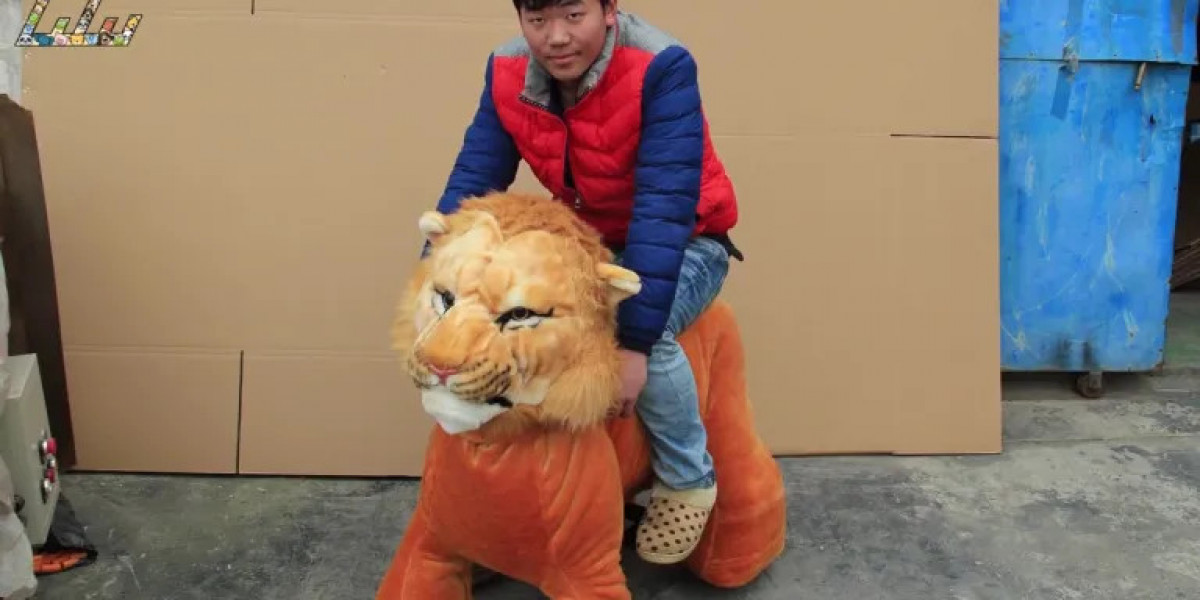

Ask any operator what causes the most trouble with powered rides and the answer is usually the same: batteries and wear. A ride that cannot run because its battery is flat, or one that rattles and splits after a season of use, costs money and frustrates families. Because electric animal rides depend on stored power and moving parts, battery life and durability are central to their value. Lulu Toy Car, a Shanghai manufacturer with about twenty years in the industry, publishes useful technical details for its plush ride range. Here is what those details suggest about power and durability, and how operators can manage both sensibly in daily use.
What the Specifications Reveal
The product page lists a six-volt, four-amp-hour lead-acid battery, a six-volt motor in the twenty-five-watt class, a speed of about two kilometers per hour, and a maximum load of fifty kilograms. It states a runtime of about two hours per charge and a charging time of eight to ten hours. These figures describe a low-power system aimed at gentle movement. The modest motor and slow speed reduce strain on components, which can help longevity. However, the long charging time means operators must plan carefully. Understanding what the numbers imply is the first step toward using the equipment efficiently and avoiding disappointment.
Planning Around Charging Time
With two hours of running for eight to ten hours of charging, a single ride cannot serve a full day without interruption. Operators should calculate how many rides they need to cover opening hours. A venue open for eight hours with steady demand might rotate several units, charging some while others work, or keep spare batteries ready. Create a simple schedule and assign staff responsibility. Charge at safe locations with proper ventilation, using the charger supplied for the model. Avoid leaving batteries completely drained for long periods, which can shorten their life. Good planning turns a technical limitation into a manageable routine.
Caring for Lead-Acid Batteries
Lead-acid batteries are common and affordable, but they like regular care. Keep them charged, avoid extreme heat and cold, and store them properly when rides are idle. Inspect terminals for corrosion and connections for looseness. Replace batteries when capacity drops noticeably, since a weak battery reduces runtime and strains the motor. Ask the supplier about expected lifespan, compatible replacements, and recycling options, because public information does not state them. Used lead-acid batteries should be returned to authorized recyclers, never discarded with ordinary waste. Thoughtful battery management saves money and reduces environmental impact at the same time, which is a rare and welcome overlap.
Structural and Surface Durability
Durability extends beyond power. The plush rides use high-grade fabrics with PP cotton filling and PU wheels, and their jackets are detachable and washable. Fabric is the most exposed part, taking constant touching, spills, and friction. Regular cleaning keeps it looking fresh, and replacement covers can renew a tired ride. Wheels wear gradually and should be inspected for cracks or flat spots. The base and frame must remain stable and free of play. Check fasteners regularly and tighten any that loosen. Small, consistent maintenance prevents minor wear from turning into major failures, and it keeps rides safe and attractive.
Asking the Right Questions Before You Buy
Before ordering, ask for details that the product page does not state. How long do batteries typically last in daily commercial use? What spare parts are available, and how quickly can they ship? What warranty or support is offered? Which certifications apply to the model, given that the company's main site mentions ISO9001, CE, and EN71? Test a sample and note how it performs after repeated charging cycles if possible. Compare answers from different suppliers. A confident, transparent response is a good sign. Taking time to ask now can prevent months of frustration later when rides must work hard every day. Buyers comparing electric animal rides from different suppliers will find these points useful when asking for quotes and samples.
Article No 15
Maximizing ROI with Lulu Toy Car's Electric Animal Scooters for Mall and Party Operators
Every ride in a mall or party venue is a small business. It occupies space, requires purchase and maintenance costs, and must earn enough to justify itself. Some operators see excellent returns, with rides that stay busy and attract families back again and again. Others struggle with idle equipment and constant repairs. The difference is rarely luck. It usually comes from sensible selection, smart placement, steady maintenance, and careful measurement of results. Plush rides like those from Lulu Toy Car, a Shanghai manufacturer with about twenty years of experience, can perform well when managed thoughtfully. Here is a practical guide to maximizing return on investment with an electric animal scooter in a mall or party setting.
Understand the Sources of Return
Direct income comes from each paid ride, but it is only part of the picture. Rides keep children happy, which lets parents stay longer and spend more at nearby shops and cafes. Party operators use rides to enhance packages and justify higher fees. A well-presented play zone also builds a venue's reputation, bringing word-of-mouth customers. When estimating ROI, include these indirect benefits alongside direct earnings. Track visitor numbers, dwell time, and tenant feedback where possible. Having a full picture of benefits makes it easier to decide how many rides to buy and where to place them for maximum effect.
Choose Rides That Children Want
Appeal drives earnings. The product page lists a panda, dog, leopard, rabbit, unicorn, Tyrannosaurus, monkey, and horse, a mix that offers something for most tastes. Offering big, medium, and mini sizes lets operators serve different ages. A varied lineup looks more inviting than rows of identical rides and encourages repeat visits. Soft plush designs invite hugging and photographs, which can boost social sharing. Start with a balanced mix of popular characters, then watch which rides earn most and adjust. Avoid committing to large quantities of one model until you have evidence of demand in your particular venue. The same thinking applies when you review an electric animal scooter model for your own venue.
Manage Power and Availability
A ride only earns when it runs. With about two hours of runtime and eight to ten hours of charging, availability must be planned. Calculate peak-hour demand and ensure enough rides are charged and ready. Spare batteries can keep popular units working. Schedule charging outside busy periods and assign staff to monitor it. Keep a log of battery performance, replacing weak ones early. The listed six-volt, four-amp-hour battery and twenty-five-watt-class motor are modest, so reliability often depends more on routine care than on technical power. Good management keeps rides in service during the hours when children and parents are most eager to use them.

Control Costs Without Hurting Quality
Costs include purchase price, shipping, import duties, batteries, cleaning, repairs, and staff time. Detachable, washable jackets reduce cleaning difficulty and extend appearance. Buying spare covers, wheels, and batteries upfront can reduce downtime. Negotiate quantity discounts carefully, and ask about samples to avoid costly mistakes. Public information does not state minimum order quantities or prices, so request quotes and compare them fairly, including freight. The company's main site mentions ISO9001, CE, and EN71, so confirm documentation to avoid compliance surprises. A slightly higher initial investment in reliable equipment often delivers better returns than the cheapest option that fails early.
Measure, Learn, and Adjust
Treat your ride area like an experiment. Record income per ride, busiest hours, maintenance costs, and customer comments. Compare characters to see which attract more play. Try different placements, such as near seating or entrances, and see whether income changes. Offer promotions during holidays or school breaks. Share results with your supplier, who may recommend new designs or improvements. Over time, data replaces guesswork. Operators who measure and adapt typically earn better returns than those who install rides and never look at the numbers again, because small improvements add up across months of steady operation.