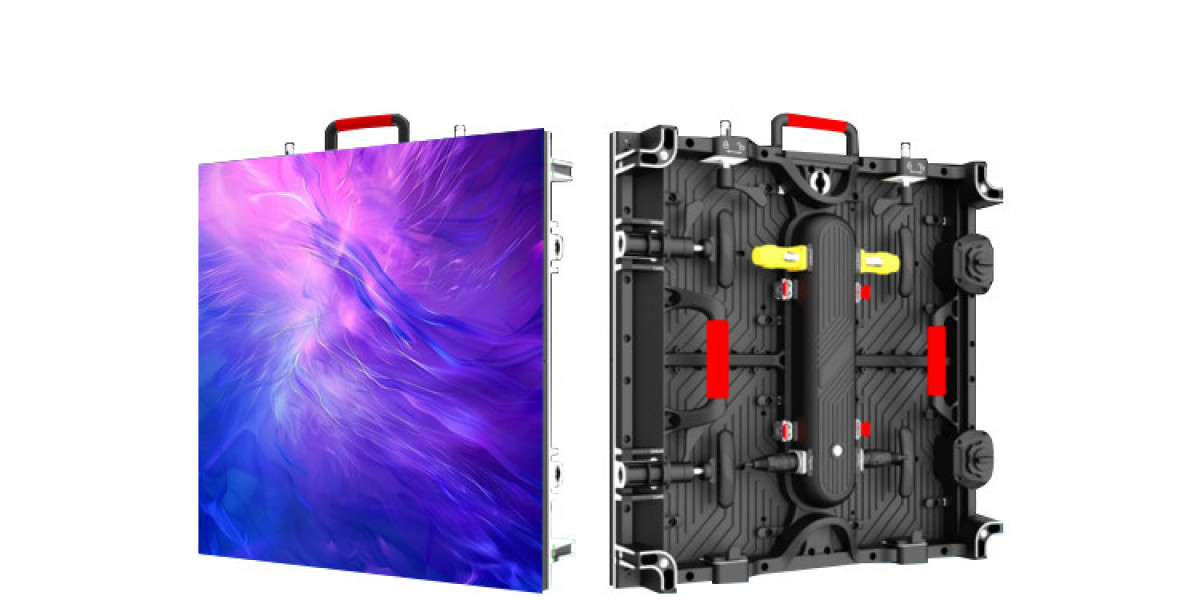

Outdoor screens live a difficult life. Rain beats against them, dust settles in every gap, the sun heats the surface, and temperatures swing between day and night. Indoor displays can be elegant and delicate; outdoor ones must be tough. The difference lies not only in brightness, but in how well the cabinet, modules, connectors, and power systems resist moisture and dirt. Ingress protection ratings, usually written as IP followed by two numbers, describe this resistance in a standard way. Here is how ratings such as IP65 and IP54 are commonly used in outdoor LED displays, what the company says about protection on its website, and what buyers should verify when planning a LIGHTALL led display installation.
What IP Ratings Actually Mean
An IP rating has two digits. The first describes protection against solid objects such as dust, and the second describes protection against liquids. An IP65 rating generally means a dust-tight enclosure that can resist water jets from any direction. IP54 indicates limited dust protection and resistance to splashing water. IP68 is higher still for water, intended for continuous immersion under specified conditions. For LED screens, the front and rear are often rated differently: the front face, exposed to weather, may carry a higher rating than the rear, which is sheltered. The company's website mentions IP65 and IP68 for specific models, so buyers should ask which rating applies to which part of the chosen product.
Why Front and Rear Ratings Differ
It is common in the LED industry to specify a stronger protection level for the display face and a lower one for the back. The face takes direct rain and dust, while the rear is often protected by structure or enclosure. A combination such as IP65 front and IP54 rear is a typical specification for many outdoor screens, though specific figures vary by model and manufacturer. Buyers should not assume; they should ask for the exact ratings of the product they are purchasing and for the test basis. If the screen will be installed in a location with severe conditions, such as coastal areas or heavy dust, they should discuss additional protection or higher ratings. The same questions apply whenever you review a LIGHTALL led display for your own project.
How Protection Is Achieved
Ratings are achieved through design and manufacture. Cabinets use gaskets, sealed connectors, and waterproof power supplies. Module faces may be treated with protective coatings or, in some designs such as COB, encapsulated for improved durability. Cooling must be handled carefully, since sealed enclosures retain heat. Designers use heat sinks, ventilation paths with protection, or efficient components to manage temperature. Cable entries are sealed, and drainage paths direct water away from sensitive parts. The company's range includes COB displays, which are known for improved protection against moisture and impact, but buyers should confirm each model's specifications and testing before relying on them.

Verification, Testing, and Documentation
Claims are only meaningful when supported. Ask for test reports or certificates that confirm ingress protection ratings. Ask how the ratings were tested, and whether they apply to the finished cabinet or only to individual components. The company lists CE, FCC, RoHS, and SGS among its certifications, but these do not automatically verify a specific IP rating, so request the relevant documents. Inspect samples if possible, looking at gasket quality, connector sealing, and finish. For major projects, consider asking for a factory demonstration of water resistance. A transparent supplier will provide clear answers and documentation, helping you avoid unpleasant surprises after the screen has been installed.
Installation and Maintenance Matter Too
Even a well-rated screen can fail if installed poorly. Seals must be fitted correctly, cables routed with drip loops, and power connections protected. Structures should allow water to drain and avoid trapping moisture behind cabinets. Maintenance must include periodic inspection of gaskets, connectors, and fasteners, as well as cleaning of dust and debris. Replace damaged seals promptly. Keep records of inspections and repairs. The company mentions a twenty-four-hour online service, and buyers should ask how remote guidance and spare parts are handled. Durable outdoor installations come from the combination of good design, correct installation, and steady care, not from a rating number alone.