
Dark spots can make the complexion appear uneven and may develop after sun exposure, inflammation, acne, or other changes that increase melanin production. Although topical skincare can support brighter-looking skin, some pigmentation may remain stubborn and require a more targeted approach. Q-switched Laser Treatment in Riyadh uses concentrated pulses of laser energy to target selected pigment within the skin. Understanding how this technology works, what types of dark spots may respond, and what to expect from treatment can help you decide whether it may be suitable for your skin concerns.
Why Do Dark Spots Appear?
Dark spots develop when melanin, the pigment responsible for skin color, becomes more concentrated in particular areas. Sun exposure is one of the most common contributors, while acne and other inflammation can leave behind post-inflammatory pigmentation. Hormonal influences and individual skin characteristics can also contribute to uneven pigmentation.
Common Types of Dark Spots
Freckles, certain sun spots, and selected post-inflammatory marks may be evaluated for pigment-targeting laser treatment. However, dark spots can have different causes and depths, so identifying the specific type of pigmentation is an important first step before treatment.
How Q-Switched Laser Targets Dark Spots
Q-switched lasers deliver extremely short bursts of high-intensity energy at selected wavelengths. The laser energy is absorbed by pigment in the targeted area and can break it into much smaller particles. The body can then gradually process these particles through its natural clearance mechanisms.
The Role of Laser Wavelength
Different pigments respond to different wavelengths of light. A practitioner selects the appropriate wavelength and treatment settings according to the type of pigmentation, its location, and the patient's skin characteristics. This helps focus the treatment on the intended pigment.
Why Q-Switched Laser Can Be Useful for Pigmentation
One of the key features of Q-switched technology is its ability to deliver energy rapidly and selectively. Rather than broadly removing the surface of the skin, the treatment focuses on pigment. This makes its mechanism different from many resurfacing procedures that primarily target texture and surface skin changes.
Targeted Treatment Areas
The laser can be applied to selected areas where suitable pigmentation is present. Treatment planning may therefore focus on individual dark spots or areas of uneven pigmentation instead of treating the entire face in the same way.
What Happens During a Dark Spot Treatment?
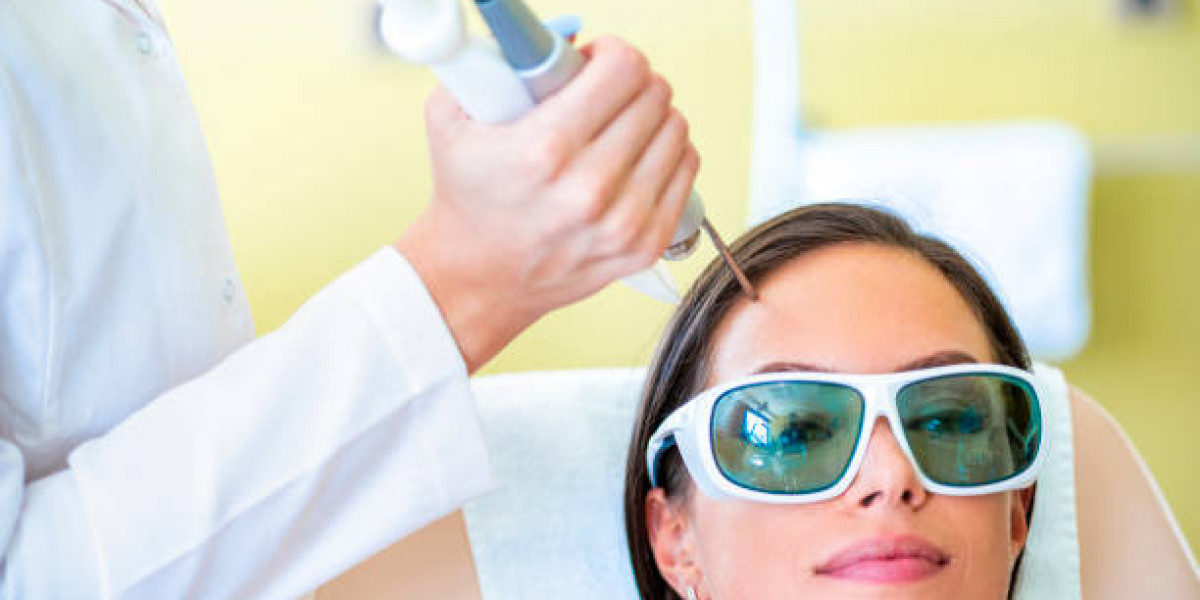
A professional assessment is performed before treatment to examine the pigmentation and determine whether laser treatment is appropriate. The skin is prepared, protective measures are taken, and the laser is applied using carefully selected settings. During treatment, patients may notice brief sensations of warmth, snapping, or mild discomfort.
What Happens to the Pigment Afterwards?
The appearance of treated spots can temporarily change following laser exposure. Some areas may appear darker before gradually becoming lighter as the targeted pigment is processed. Temporary redness or mild swelling can also occur depending on the treatment intensity and individual skin response.
How Many Treatments Are Needed?
The number of sessions varies according to the type and depth of pigmentation, the size of the treatment area, and how the individual's skin responds. Some dark spots may improve with fewer sessions, while more persistent pigmentation can require a series of treatments.
Why Results Are Gradual
The laser targets pigment during the procedure, but the body needs time to process the fragmented pigment afterward. For this reason, visible improvement may continue to develop between treatment sessions rather than appearing immediately.
Can Q-Switched Laser Treat Every Dark Spot?
No. Not every dark spot is suitable for Q-switched laser treatment. Some pigmentation conditions have deeper or more complex causes and may respond differently. Certain lesions should also be medically evaluated rather than treated as cosmetic pigmentation.
Professional Diagnosis Matters
Before treatment, a qualified practitioner should assess the appearance, location, and characteristics of the dark spot. Q-Switched Laser Treatment in Riyadh is most appropriate when the pigmentation has been properly evaluated and the treatment settings can be selected according to the patient's individual skin characteristics.
What About Darker Skin Tones?
People with darker skin tones can have a higher risk of unwanted pigmentation changes following certain laser procedures. This does not necessarily rule out treatment, but it emphasizes the importance of careful laser selection, appropriate settings, and professional supervision.
Personalized Treatment Planning
Skin tone, sensitivity, previous pigmentation, and the cause of the dark spots should all be considered before treatment. An individualized approach can help reduce unnecessary irritation and support a safer treatment experience.
How Can You Support Your Results?
Sun protection is especially important when managing dark spots. Ultraviolet exposure can stimulate melanin production and contribute to the development or return of pigmentation. Following your practitioner's aftercare instructions and using suitable skincare can also support the skin during recovery.
Preventing New Dark Spots
Treating existing pigmentation does not necessarily prevent new spots from appearing. Consistent sunscreen use, avoiding excessive sun exposure, and addressing underlying causes such as recurring inflammation can help support a more even-looking complexion over time.
What Should You Discuss During Consultation?
Tell your practitioner about previous laser treatments, skincare products, medications, allergies, and any history of pigmentation changes. You should also explain whether the dark spots appeared after acne, sun exposure, or another event. This information can help determine whether laser treatment is an appropriate option.
Setting Realistic Expectations
Laser treatment can improve the appearance of suitable pigmentation, but results vary between individuals. Q-Switched Laser Treatment in Riyadh should be viewed as a targeted treatment for appropriate pigment concerns rather than a guaranteed solution for every form of discoloration.
Book a Consultation at Royal Clinic Saudia
If stubborn dark spots are affecting your complexion, Royal Clinic Saudia can provide a professional skin assessment and discuss suitable treatment options. A qualified practitioner can determine whether Q-switched laser technology is appropriate for your pigmentation and create a personalized treatment plan.
FAQs:
Does Q-switched laser permanently remove dark spots?
It can significantly reduce the appearance of certain suitable dark spots, but permanent removal cannot be guaranteed. New pigmentation may develop because of sun exposure, inflammation, hormonal factors, or other causes.
How quickly do dark spots fade after Q-switched laser?
Dark spots generally fade gradually as the body processes the targeted pigment. The timeline varies depending on the type of pigmentation, treatment intensity, and individual skin response.
Can Q-switched laser treat acne marks?
It may help with selected post-inflammatory pigmentation left after acne has healed. However, acne scars involving texture or depressions are different concerns and may require other treatment approaches.
Is sun protection necessary after Q-switched laser treatment?
Yes. Protecting treated skin from ultraviolet exposure is important because sun exposure can contribute to pigmentation and may interfere with achieving consistent results.