
Urinary incontinence can affect daily routines, confidence, sleep, work, and social activities. For many women, the sudden and difficult-to-control need to urinate can be especially frustrating. This type of bladder problem is commonly associated with urge incontinence, which may cause urine leakage before reaching the bathroom. Fortunately, there are several approaches that can help women manage bladder symptoms and improve their quality of life. Understanding the available options can make it easier to discuss concerns with a healthcare professional and find an approach that fits individual needs.
What Is Urge Incontinence?
Urge incontinence is a form of urinary leakage associated with a sudden, strong need to urinate. The urge may come unexpectedly, leaving very little time to reach a restroom. Some women may experience occasional leakage, while others may have symptoms that interfere with everyday activities.
Urge incontinence can have different contributing factors. Bladder irritation, changes associated with aging, certain medical conditions, neurological problems, lifestyle factors, and other circumstances may influence bladder control. Because the underlying cause can vary, an appropriate evaluation is important before choosing a treatment approach.
Exploring Treatment for Urge Incontinence
The right treatment for urge incontinence depends on the person's symptoms, health history, lifestyle, and underlying causes. A healthcare professional may begin by discussing symptoms and daily habits before recommending a personalized management plan.
One common approach is bladder training. This involves gradually increasing the time between bathroom visits and learning to respond to bladder sensations in a controlled way. Over time, bladder training may help some women develop better control over urinary urgency.
Pelvic floor exercises may also be recommended. The pelvic floor muscles help support the bladder and other pelvic organs. Strengthening and coordinating these muscles can contribute to improved bladder control. Some women benefit from working with a pelvic health physical therapist who can provide personalized instruction.
Lifestyle adjustments may also play a role. Depending on individual circumstances, reducing certain bladder irritants, managing fluid intake appropriately, maintaining a healthy weight, and establishing regular bathroom habits may help reduce symptoms. It is important not to severely restrict fluids without professional guidance because adequate hydration is important for overall health.
Medical Approaches to Bladder Control
When behavioral strategies are not enough, healthcare professionals may discuss additional treatment options. Certain prescription medications can influence bladder activity and may reduce urgency or frequency for some patients. Because medications can have side effects and may not be suitable for everyone, they should be selected with guidance from a qualified healthcare professional.
Other clinical approaches may be considered when symptoms remain persistent. Depending on the situation, a healthcare provider may discuss specialized therapies designed to influence bladder function. The appropriate option depends on the individual's diagnosis and response to previous treatments.
Keeping a bladder diary can also be useful. Recording fluid intake, bathroom visits, urgency episodes, and leakage can help identify patterns and provide useful information during a medical appointment.
Understanding Female Urinary Incontinence Devices
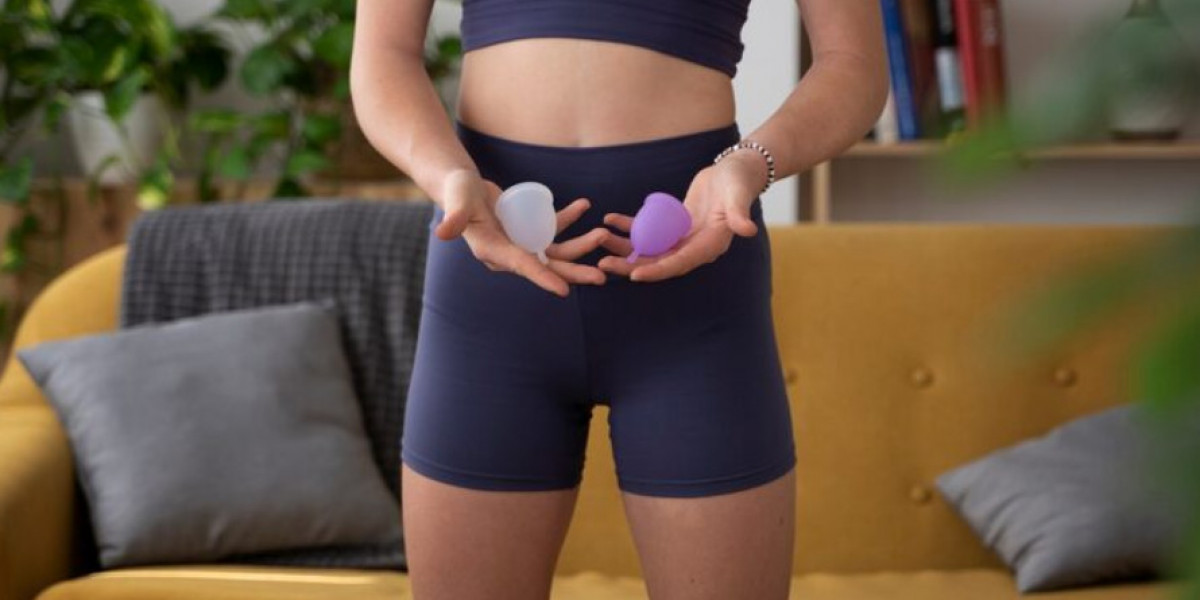
In addition to exercises, behavioral strategies, and medical treatments, some women may consider devices designed to help manage urinary leakage. A female urinary incontinence device may be designed to provide support, improve control, or reduce leakage during particular activities.
The design and purpose of these devices can vary considerably. Some are intended for specific types of incontinence, while others may be used in particular situations such as physical activity. Because urinary leakage can have different causes, choosing a device based only on advertisements or general descriptions may not provide the desired results.
Women considering a device should understand how it works, how it should be used, and whether it is appropriate for their particular symptoms. A healthcare professional can help determine whether a specific device is suitable.
Finding the Best Female Urinary Incontinence Device
There is no single product that is automatically the best female urinary incontinence device for every woman. The most appropriate choice depends on the type and severity of leakage, comfort preferences, lifestyle, and medical circumstances.
Comfort is an important consideration. A device that is uncomfortable or difficult to use may be challenging to incorporate into everyday life. Women should also consider fit, ease of cleaning or maintenance when applicable, instructions for use, and how the device is intended to be worn or positioned.
The intended use of the product is another important factor. A woman who experiences leakage during exercise may have different needs from someone who experiences frequent urgency throughout the day. Understanding these differences can help narrow down appropriate options.
Combining Different Strategies
Managing urinary incontinence does not always involve choosing one solution. Some women may benefit from combining bladder training, pelvic floor exercises, lifestyle adjustments, and an appropriate device. This combined approach can address symptoms from several directions.
For example, someone working on bladder control may use pelvic floor exercises regularly while also using a supportive device during activities that tend to trigger leakage. A healthcare professional can help determine whether combining approaches is appropriate.
Consistency can also make a difference. Changes in bladder habits and pelvic floor strength may take time. Keeping track of symptoms can help identify gradual improvements and determine whether an approach is working.
When to Seek Professional Guidance
Urinary leakage should not simply be accepted as an unavoidable part of aging. New, persistent, worsening, or bothersome symptoms deserve appropriate attention. A healthcare professional can evaluate symptoms and determine whether an underlying condition needs treatment.
Medical advice is particularly important when urinary symptoms occur with pain, blood in the urine, fever, difficulty emptying the bladder, or sudden changes in bladder function. Prompt evaluation can help identify conditions that may require specific treatment.
A professional evaluation can also prevent women from using a product that is not appropriate for their particular type of incontinence. Before selecting a female urinary incontinence device, it can be helpful to understand the cause and pattern of leakage.
Improving Everyday Confidence
Urinary incontinence can affect much more than physical comfort. Worrying about finding a bathroom, experiencing leakage in public, or avoiding activities can affect confidence and emotional well-being. Having a practical management strategy may help women feel more prepared in everyday situations.
Planning bathroom breaks, carrying appropriate supplies, wearing comfortable clothing, and knowing which activities tend to trigger symptoms can provide additional peace of mind. When appropriate, combining these habits with treatment for urge incontinence may help women regain greater control over daily routines.
Conclusion
Urge incontinence can be challenging, but women have several options for managing symptoms. Bladder training, pelvic floor exercises, lifestyle changes, medical therapies, and specialized devices may all have a role depending on the individual's needs.
The right treatment for urge incontinence should be based on the underlying cause, symptom pattern, and personal circumstances rather than a one-size-fits-all approach. Similarly, choosing the best female urinary incontinence device requires consideration of comfort, fit, purpose, and suitability for the type of leakage being experienced.
With appropriate evaluation and a personalized management plan, many women can take meaningful steps toward better bladder control and greater confidence in their everyday lives.