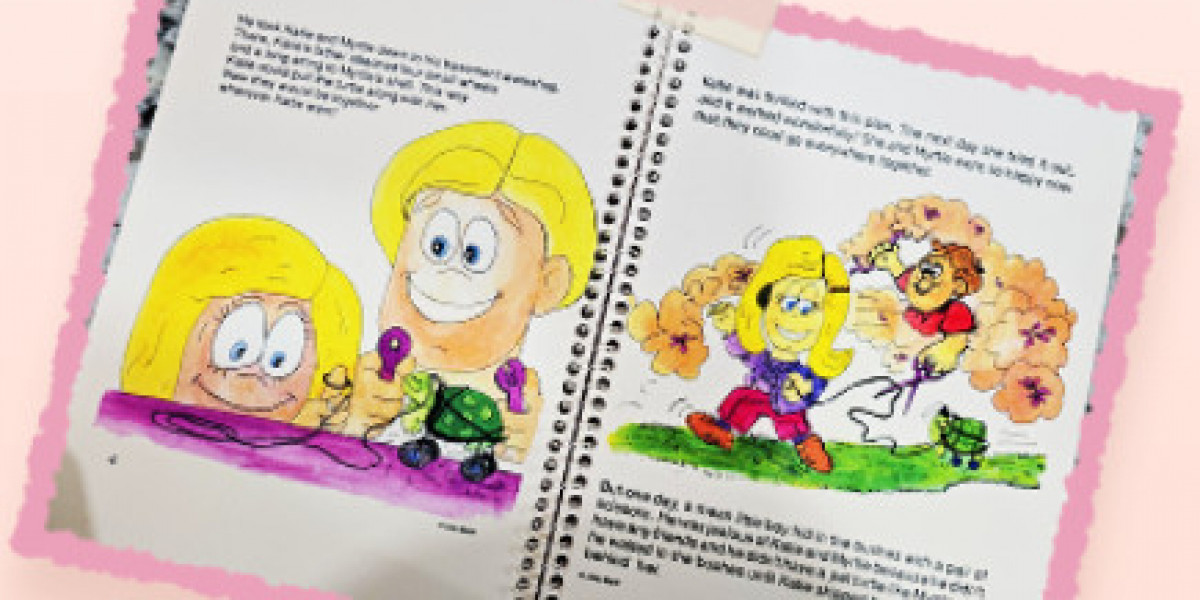

There is something special about holding a real book in your hands. Children can turn the pages, look at colorful illustrations, point to pictures, and follow a story from beginning to end. While digital reading has become common, paper books for kids continue to be a favorite choice for parents, teachers, and young readers.
A physical book can become part of a child's daily routine. It may be the bedtime story read by a parent, the book packed for a family trip, or a favorite story that a child reads again and again. For families looking to buy books for kids, there are many choices available for different ages, interests, and reading levels.
Why Choose Paper Books for Kids?
Paper books provide a hands-on reading experience. Young children can physically hold the book and learn how pages work. Turning pages also gives children a sense of progress as they move through a story.
For younger readers, picture books with large illustrations can make reading more engaging. Children may enjoy looking at the characters and describing what they see before they can read every word themselves.
Paper books can also help create a quiet reading environment. Unlike a tablet or phone, a printed book does not have notifications, games, or other digital distractions. A child can simply sit with the book and focus on the story.
Another benefit is that physical books can become familiar objects. Children often develop attachments to favorite stories and characters. They may ask to hear the same story repeatedly, which can help build familiarity with words, characters, and story patterns.
Choosing Books Based on Age
When you buy books for kids, age is one of the first things to consider. A book that is perfect for a preschooler may be too simple for an older child.
For toddlers, look for sturdy board books with simple words, bright pictures, and familiar subjects. Books about animals, family, vehicles, colors, shapes, and everyday activities can be especially appealing.
Preschool children may enjoy picture books with slightly longer stories. Rhyming stories, funny characters, simple adventures, and bedtime tales can encourage children to listen and participate.
Children in early elementary school can begin exploring beginner readers, chapter books, mysteries, fantasy stories, adventure tales, and educational books. At this stage, choosing books connected to a child's interests can make independent reading more enjoyable.
Older children may enjoy longer chapter books, historical stories, science fiction, fantasy, comedy, mystery, and realistic fiction. Their reading choices can become more varied as their vocabulary and understanding grow.
Consider Your Child's Interests
Reading should not feel like a chore. One of the easiest ways to encourage children to read is to choose subjects they already enjoy.
A child who loves animals might enjoy stories about dogs, cats, wild animals, or talking animal characters. A child fascinated by space may prefer books about planets, astronauts, or imaginary space adventures.
Some children enjoy funny stories, while others prefer mysteries or exciting adventures. There are also books about sports, friendship, family, school, science, history, superheroes, and imaginative worlds.
When you buy books for kids, consider asking them what kind of story they would like. Giving children some choice can make them more interested in reading.
Picture Books and Illustrations Matter
For younger children, illustrations are often just as important as the words. A well-designed picture book gives children visual clues that help them understand the story.
Colorful illustrations can introduce characters, settings, emotions, and actions. Parents can also use pictures to start conversations. Instead of simply reading the text, they can ask questions such as, “What do you think the character is doing?” or “What do you see in this picture?”
These conversations can turn reading time into an interactive experience.
Even older children can appreciate illustrated books. Graphic novels, illustrated chapter books, activity books, and books with occasional drawings can add variety to a child's reading collection.
Paper Books Can Support Family Reading
One of the best things about physical books is that they can bring families together. A parent and child can sit together and share a story without needing separate devices.
A simple bedtime routine might include choosing one book, getting comfortable, reading the story aloud, and talking about the characters afterward.
Family reading does not need to take a long time. Even 10 or 15 minutes can become a meaningful daily habit.
Parents can also create a small reading corner at home. A basket, shelf, or small bookcase can keep children's books within easy reach. When children can see their books, they may be more likely to pick one up and explore it.
Where to Buy Books for Kids
Families have many options when they want to buy books for kids. Local bookstores can be a great place to browse titles and let children explore different sections. Libraries are another excellent resource, especially for families who want to discover new authors and subjects before purchasing books.
Online bookstores also provide a large selection of children's titles. Parents can search by age, reading level, subject, author, series, or format. Online shopping can be particularly useful when looking for a specific title or a complete book series.
Secondhand bookstores and used-book sales can also help families build a children's library at a lower cost. Used books may have some signs of previous reading, but they can still provide hours of enjoyment.
When buying online, check the book's recommended age, format, page count, description, and customer information before placing an order.
Build a Balanced Children's Book Collection
A child's bookshelf does not need to contain only one type of book. A balanced collection can include stories for different moods and interests.
For example, a home library might contain:
- Picture books for younger children
- Bedtime stories
- Funny stories
- Animal books
- Adventure books
- Mystery stories
- Fantasy books
- Educational books
- Beginner readers
- Chapter books
- Poetry books
- Activity and coloring books
Having different options allows children to choose what they feel like reading.
It is also useful to mix familiar favorites with new books. A child may want to read a beloved story repeatedly, while another book may introduce a completely new subject or character.
Make Reading Part of Everyday Life
Buying books is only the beginning. Children benefit from having regular opportunities to read and listen to stories.
Keep a few books beside the bed for bedtime. Place some books in a living room basket or reading corner. Take a book along on road trips or family vacations. Encourage children to choose a story when they have free time.
Parents can also model reading by reading their own books. Children often notice what adults do, and seeing family members enjoy books can make reading feel like a natural part of everyday life.
Final Thoughts
Paper books for kids offer more than words printed on pages. They provide opportunities for imagination, conversation, learning, and shared family moments. A physical book can become a favorite childhood object and a story that children remember for years.
If you are ready to buy books for kids, start with their age, reading ability, and interests. Choose a mixture of familiar favorites and new stories, and give children opportunities to explore books at their own pace.
Whether it is a colorful picture book for a toddler, an exciting adventure for an elementary reader, or a chapter book for an older child, the right paper book can make reading time something children look forward to every day.