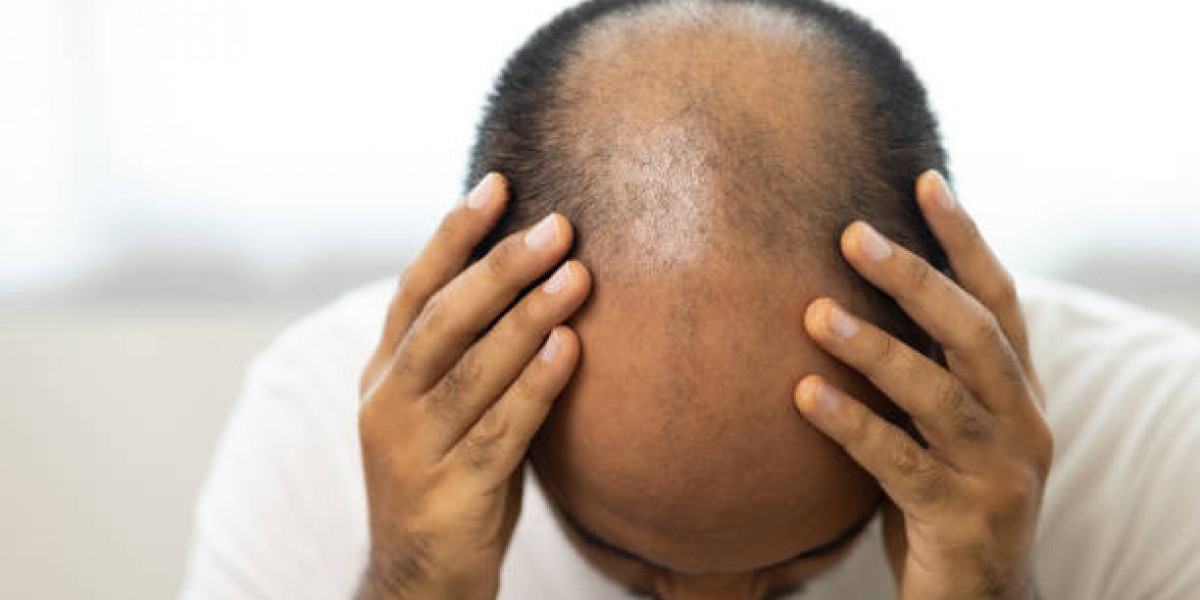

Hair loss can develop for many reasons, including genetics, hormonal changes, nutritional deficiencies, stress, and certain medical conditions. Platelet-rich plasma (PRP) therapy is a non-surgical approach that has been studied for some types of hair loss and may help support hair density in selected individuals. The treatment uses components from the patient's own blood and focuses on areas of the scalp affected by thinning. For people exploring Hair Loss Treatment in Riyadh, understanding how PRP works, what the procedure involves, and what results may realistically be expected can help when discussing treatment options with a qualified professional.
What Is PRP Therapy for Hair Loss?
PRP stands for platelet-rich plasma. It is prepared from a small sample of the patient's own blood. The blood is processed to separate and concentrate the platelets and plasma, which are then used as part of the scalp treatment.
Why Are Platelets Used?
Platelets are best known for their role in blood clotting, but they also contain various growth-related substances involved in tissue repair. Researchers have investigated whether these components may influence the environment around hair follicles and support aspects of the hair-growth cycle.
How Does PRP Hair Treatment Work?
The PRP process generally involves three main stages: collecting a blood sample, processing the sample to concentrate platelets, and applying the prepared PRP to targeted areas of the scalp.
Step 1: Blood Collection
A small amount of blood is collected from the patient, similar to a routine blood sample. The amount required can vary depending on the treatment protocol.
Step 2: Processing the Blood
The collected blood is placed in specialized equipment that separates its components. The goal is to prepare a platelet-rich portion of plasma that can be used during the scalp treatment.
Step 3: Applying PRP to the Scalp
The prepared PRP is applied or injected into areas where hair thinning is present. The specific technique and treatment pattern depend on the patient's condition and the professional's protocol.
How May PRP Support Hair Growth?
The exact mechanisms behind PRP's effects on hair growth are still being studied. Research suggests that substances released by platelets may interact with cells around hair follicles and potentially influence processes associated with follicle activity and tissue repair.
Supporting Existing Hair Follicles
PRP is generally considered a treatment aimed at supporting existing follicles rather than creating completely new follicles. This means the condition and activity of the follicles can be important when determining whether PRP may be appropriate.
Who May Be a Candidate for PRP?
PRP may be considered for selected individuals experiencing certain forms of hair thinning, particularly some cases of pattern hair loss. However, it is not appropriate for every type or stage of hair loss.
Why Diagnosis Matters
Hair shedding can result from nutritional deficiencies, thyroid or hormonal problems, scalp disorders, medications, stress, and other factors. If the underlying cause is not identified, PRP may not address the primary reason for the hair loss. A professional assessment can help determine whether PRP is suitable.
What Happens During a PRP Session?
A typical PRP session involves blood collection, preparation of the platelet-rich plasma, and treatment of the targeted scalp areas. The process is performed in a clinical setting.
What You May Experience
Because PRP may involve multiple small injections into the scalp, some people experience temporary discomfort, tenderness, redness, or mild swelling. Individual experiences vary, and a professional can explain what to expect before treatment.
How Many PRP Sessions Are Needed?
PRP treatment is often performed as a series of sessions rather than a single treatment. The recommended schedule can vary according to the individual's hair-loss pattern, treatment protocol, and response.
Maintenance Treatment
Some treatment plans may include follow-up or maintenance sessions. The need for continued treatment depends on individual response and the underlying cause of hair loss.
When Can You Expect Results?
Hair growth occurs gradually, so PRP does not usually produce an immediate visible transformation. If the treatment is effective, changes in shedding or hair density may become noticeable over time.
Results Vary Between Individuals
Response to PRP can depend on factors such as the type and duration of hair loss, follicle condition, age, overall health, and consistency with the recommended treatment plan. PRP should therefore not be presented as a guaranteed solution.
For individuals considering Hair Loss Treatment in Riyadh, a professional consultation can help determine whether PRP fits their specific hair-loss pattern and establish realistic expectations about potential results.
What Are the Benefits of PRP Therapy?
PRP is a non-surgical approach and uses material obtained from the patient's own blood. It can be incorporated into a broader hair-management plan when considered appropriate.
A Personalized Approach
PRP treatment can be targeted toward areas where thinning is present. Depending on the individual's needs, it may also be discussed alongside other approaches for managing hair loss.
Are There Risks or Side Effects?
PRP is generally associated with temporary treatment-related effects such as soreness, redness, swelling, or bruising at injection sites. As with any procedure involving injections, there can be other risks, so treatment should be performed by an appropriately qualified professional in a suitable clinical setting.
People should also disclose relevant medical conditions, medications, and blood-related concerns before treatment.
Is PRP a Permanent Solution for Hair Loss?
PRP should not be considered a guaranteed or permanent cure for hair loss. It may help support hair density in selected individuals, but results vary and ongoing management may be required.
The underlying cause of hair loss remains important. For example, hereditary hair loss can continue to progress without appropriate long-term management even when a person responds positively to a particular treatment.
When Should You Consider PRP?
PRP may be worth discussing with a qualified professional if you have noticeable thinning and are interested in a non-surgical treatment option. However, sudden, patchy, or unexplained hair loss should first be evaluated to determine its cause.
A professional assessment can help establish whether PRP is appropriate or whether another treatment approach would better address the underlying problem.
Book a Hair Consultation at Royal Clinic Saudia
If you are considering PRP for hair thinning or excessive shedding, Royal Clinic Saudia can evaluate your hair and scalp and discuss whether PRP may be suitable for your condition. A professional consultation can help you understand the procedure, expected outcomes, and other available treatment options.
FAQs:
How does PRP therapy work for hair loss?
PRP uses a concentrated portion of the patient's own blood containing platelets and plasma. It is applied or injected into targeted scalp areas with the aim of supporting the environment around existing hair follicles.
Is PRP suitable for everyone with hair loss?
No. PRP may be considered for certain types of hair loss, but its suitability depends on the underlying cause, stage of thinning, follicle condition, and individual health factors.
How long does it take to see results from PRP?
Hair growth is gradual, so results are not usually immediate. If someone responds to treatment, changes may become noticeable over time, with the timeline varying between individuals.
Can PRP completely regrow lost hair?
PRP cannot guarantee complete hair regrowth. Its potential benefits depend on factors such as the type of hair loss, condition of the follicles, and individual response to treatment.