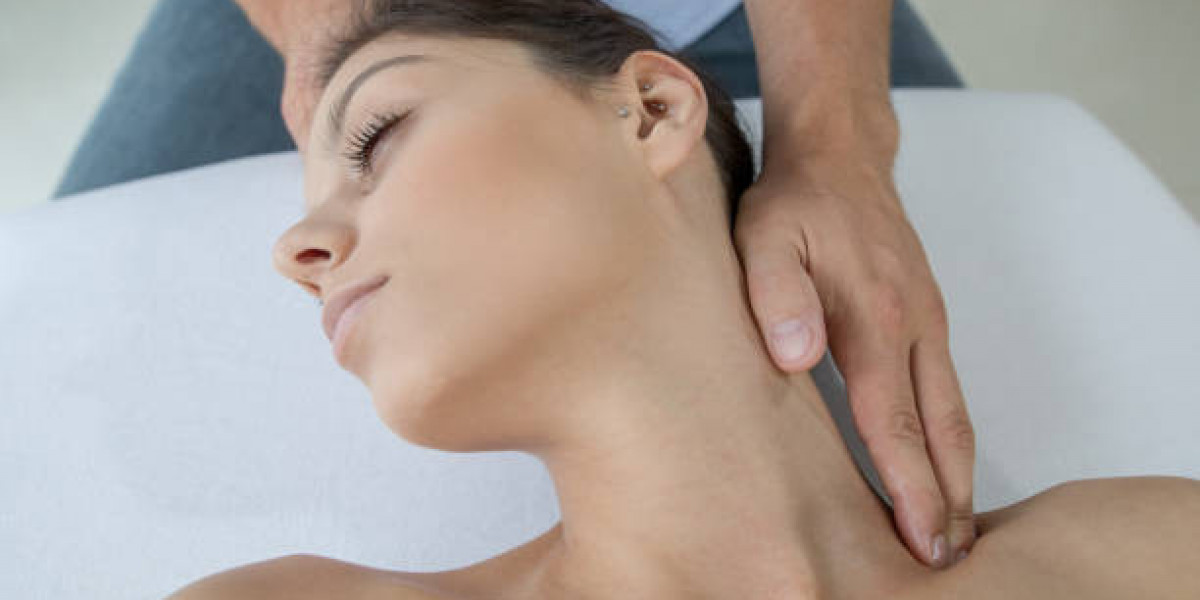

Manual lymphatic drainage (MLD) massage is a specialized, gentle massage technique intended to encourage the movement of lymph fluid through the body's natural lymphatic pathways. Unlike traditional massage, it typically uses light pressure and slow, rhythmic movements rather than deep manipulation. Lymphatic Massage in Riyadh may be considered for people experiencing certain types of temporary swelling, fluid accumulation, or postoperative swelling when recommended by an appropriate healthcare professional. Understanding the technique can help you know what to expect and whether it may be suitable for your needs.
What Is the Lymphatic System?
The lymphatic system is a network of vessels, lymph nodes, and tissues that plays an important role in fluid balance and immune function. Lymphatic vessels collect excess fluid from tissues and transport it through the lymphatic network. This helps prevent excessive fluid accumulation in healthy tissues. Lymphatic Massage in Riyadh focuses on supporting this natural fluid movement through gentle techniques that follow appropriate lymphatic pathways.
How Does Manual Lymphatic Drainage Work?
Gentle Pressure and Rhythmic Movements
Manual lymphatic drainage uses carefully controlled movements that are generally much lighter than those used in deep-tissue massage. The practitioner applies gentle pressure to the skin in specific directions to encourage lymph fluid movement. The technique should not normally require forceful or painful manipulation.
Following Lymphatic Pathways
A trained practitioner works according to the body's lymphatic anatomy. Treatment may begin around areas where lymph fluid can be directed before gradually addressing areas affected by swelling. The exact technique depends on the treatment area and the individual's circumstances.
Supporting Natural Fluid Movement
The primary purpose of MLD is to support the movement of lymph fluid. When appropriate, this may help manage certain forms of tissue-fluid accumulation and associated feelings of tightness or heaviness. The effectiveness and suitability of treatment depend on the underlying cause of swelling.
What Are the Potential Benefits?
Managing Certain Types of Swelling
MLD may help support fluid movement when temporary or medically appropriate swelling is present. Some individuals may notice a reduction in puffiness or a less heavy sensation following treatment.
Supporting Postoperative Recovery
Certain surgical and cosmetic procedures can cause temporary swelling during the healing process. In selected cases, MLD may be included in a recovery plan to support fluid movement. It should only be performed when the treating healthcare professional considers it appropriate.
Promoting Relaxation
The slow, gentle movements involved in MLD can also create a calming and relaxing experience. This may make the technique appealing as part of a broader wellness routine, although relaxation should not be confused with treatment for an underlying medical condition.
What Happens During an MLD Session?
A typical session begins with an assessment of the individual's concerns and treatment area. The practitioner may then use gentle movements around appropriate lymphatic pathways before addressing areas where fluid accumulation is present. Treatment can involve areas such as the face, neck, arms, abdomen, or legs depending on the reason for receiving massage.
The pressure used during MLD is generally light. Unlike deep-tissue techniques, the goal is not to work deeply into muscles. A properly performed session should feel controlled and comfortable rather than painful or aggressive.
Manual Lymphatic Drainage vs. Traditional Massage
Traditional massage can focus on muscle tension, relaxation, soft-tissue discomfort, or physical recovery and may involve moderate or deep pressure. MLD has a different purpose and technique. Its movements are generally slower and lighter and are specifically intended to support lymphatic fluid movement.
This distinction is important because applying excessive pressure does not necessarily improve lymphatic drainage. MLD requires knowledge of lymphatic anatomy and appropriate massage techniques.
Who May Consider Manual Lymphatic Drainage?
People experiencing certain forms of temporary fluid-related swelling may consider MLD as a complementary treatment. It may also be recommended as part of postoperative care following selected procedures. Some individuals may seek it for facial puffiness or a feeling of heaviness in the limbs.
However, not all swelling is caused by lymphatic fluid accumulation. Persistent, recurring, or unexplained swelling should be evaluated by a healthcare professional before massage is used as the primary approach.
Is MLD a Detox Massage?
Manual lymphatic drainage is sometimes marketed as a “detox” massage, but this description can create unrealistic expectations. The lymphatic system naturally performs important functions related to fluid balance and immune activity. MLD is more accurately described as a technique that supports lymphatic fluid movement rather than a method for removing unspecified toxins from the body.
Healthy nutrition, adequate hydration, regular movement, and appropriate medical care remain important for supporting overall health.
How Often Should You Have MLD?
There is no universal treatment schedule. The appropriate frequency depends on why MLD is being performed, the amount and type of swelling, individual response, and whether treatment has been recommended as part of postoperative or therapeutic care. A qualified practitioner can help determine an appropriate approach based on individual circumstances.
What Results Can You Expect?
Results vary depending on the cause of fluid accumulation and the individual's response. Some people may experience temporary reductions in puffiness, swelling, or feelings of heaviness, while others may primarily notice relaxation. Lymphatic Massage in Riyadh should therefore be viewed as a supportive technique rather than a permanent solution for every type of swelling or fluid-retention concern.
When Should Swelling Be Medically Evaluated?
Sudden, severe, painful, or unexplained swelling should be assessed by an appropriate healthcare professional. Swelling accompanied by significant redness, warmth, fever, difficulty breathing, chest discomfort, or swelling affecting only one limb may require prompt medical attention. Massage should not be used to delay evaluation of potentially serious symptoms.
Book an Appointment at Royal Clinic Saudia
If you are considering manual lymphatic drainage for swelling, puffiness, or recovery support, professional guidance can help determine whether the technique is appropriate for your needs. At Royal Clinic Saudia, you can discuss your concerns and explore a personalized approach to lymphatic care. Book an appointment to learn more about suitable lymphatic massage options.