
Bringing the rich, comforting flavors of West Africa into your own kitchen can feel like a rewarding culinary adventure. Whether you are craving the meals of your childhood or exploring West African cuisine for the first time, Egusi Soup stands out as the ultimate crown jewel of Nigerian comfort food. Characterized by its savory depth, rich texture, and the unique nutty aroma of ground melon seeds, this dish captures the heart of traditional gatherings.
Finding authentic ingredients while living abroad in the US, UK, or Canada can sometimes feel like a daunting task. However, discovering traditional African grocery stores, sourcing authentic ingredients like palm oil and ground melon seeds, and knowing practical substitutes makes preparing this masterpiece entirely achievable. This guide walks you through everything required to master the art of making this iconic dish at home while navigating the availability of traditional ingredients overseas.
Understanding the Heart of the Dish: What is Egusi?
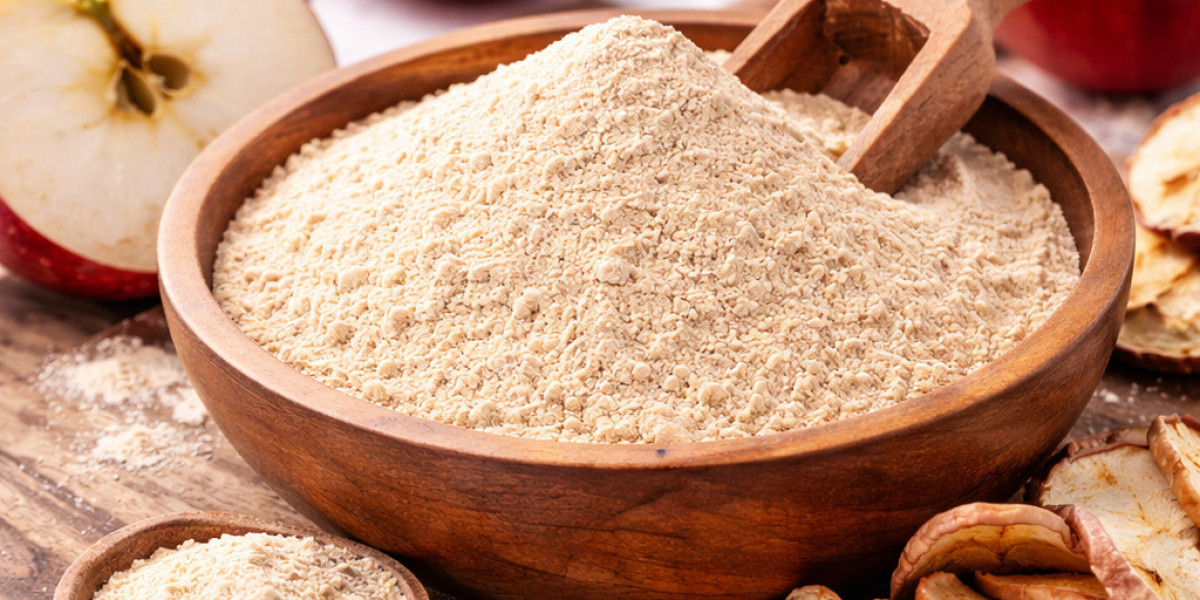
At the core of the recipe lies the egusi seed, which belongs to a species of wild melon native to West Africa. When dried and ground into a fine powder, these nutrient-dense seeds act as both a thickener and a primary protein source. Unlike common pumpkin seeds, ground melon seeds possess a distinct, rich quality that transforms upon simmering in palm oil and broth.
When combined with traditional proteins like stockfish, smoked fish, and tender chunks of beef or goat meat, the ground seeds form delightful, protein-rich curds. These soft clusters absorb the savory spices and rich red palm oil, creating a hearty stew-like consistency that pairs perfectly with smooth swallows like pounded yam, garri, or fufu.
Sourcing Authentic Ingredients Abroad
Recreating the authentic taste outside of Nigeria relies heavily on utilizing traditional ingredients. Living in major metropolitan areas across North America or the UK makes accessing these items much simpler through specialized African grocery stores and international markets.
Essential Pantry Staples
Ground Melon Seeds: The absolute star of the recipe, providing the signature texture and nutty flavor profile.
Red Palm Oil: Unrefined palm oil imparts a vibrant orange-red hue and an earthy, distinct taste that generic cooking oils simply cannot replicate.
Crayfish: Dried, ground crayfish acts as the ultimate umami booster, adding a savory depth that defines authentic West African cooking.
Stockfish and Dried Fish: These traditional proteins add a smoky, complex layer of flavor to the simmering broth.
Leafy Greens: Fresh spinach, pumpkin leaves (ugwu), or bitter leaf balance the richness of the oil and seeds with fresh nutrients.
For home cooks unable to find traditional leafy greens locally, curly kale or collard greens serve as fantastic, accessible substitutes that hold up exceptionally well during simmering.
Step-by-Step Preparation Method
Preparing a delicious pot of this traditional delicacy requires patience and a structured layering of flavors. Follow this straightforward method to achieve restaurant-quality results in your home kitchen.
Step 1: Prepare the Proteins
Begin by seasoning your choice of tough meats—such as beef tripe, cow foot, or goat meat—with onions, salt, and traditional seasoning cubes. Boil them until tender, reserving the rich meat stock for later use. If using stockfish and smoked fish, soak them in hot water for a few minutes to soften and clean them thoroughly before adding them to the pot.
Step 2: Form the Melon Seed Paste
In a clean bowl, mix the ground melon seeds with a small amount of warm water or leftover meat stock, chopped onions, and a pinch of salt. Stir until it forms a thick paste. Letting this mixture rest for a few minutes helps the seeds bind properly, ensuring firm curds later.
Step 3: Build the Flavor Base
Place a wide pot on medium heat and pour in the unrefined red palm oil. Heat the oil gently—avoid bleaching it—and add finely chopped onions. Allow them to sauté until translucent, releasing a sweet aroma into the oil. Add your ground crayfish and traditional seasoning, stirring continuously for about one minute.
Step 4: Cook the Seed Curds
Drop spoonfuls of the prepared melon seed paste directly into the hot oil and spice mixture without stirring immediately. Cover the pot and let the mixture steam for about five to seven minutes. This crucial technique allows the paste to set into distinct, solid chunks rather than dissolving completely into the liquid.
Step 5: Combine and Simmer
Gently break apart the set curds if necessary, then pour in the reserved meat stock, cooked proteins, stockfish, and smoked fish. Stir gently and let the mixture simmer on low heat for fifteen minutes, allowing all the rich flavors to meld together seamlessly.
Step 6: Add the Greens
Fold in your freshly washed and chopped spinach or substitute greens. Stir gently to incorporate the vegetables into the thick sauce. Adjust the salt to taste and let the dish simmer uncovered for another five minutes until the greens are tender and the oil floats slightly to the top.
Frequently Asked Questions
Can I make this dish without palm oil?
Red palm oil is essential for achieving the authentic flavor, color, and traditional identity of the recipe. While vegetable oil can be used in a pinch, the taste profile will differ significantly.
What are the best side dishes to serve with this meal?
The dish is traditionally enjoyed alongside smooth swallows such as pounded yam, garri (cassava flakes), semovita, or wheat flour meal.
How do I store leftovers properly?
Allow the food to cool completely before transferring it into an airtight glass container. It can be refrigerated for up to four days or frozen for several weeks. Reheating it slowly on the stovetop with a splash of water restores its original texture.
Exploring New Culinary Horizons
Bringing traditional West African flavors into everyday cooking opens up a world of rich culinary traditions. Sourcing quality ingredients and understanding foundational techniques bridge the distance between continents, allowing anyone to experience the warmth of authentic home cooking.