
Male pattern hair loss is one of the most common causes of gradual hair thinning in men. It often develops around the hairline, temples, crown, or other areas of the scalp and may progress over time. PRP Hair Treatment in Riyadh is one option that may be considered to support existing hair follicles and improve the appearance of thinning areas. The treatment uses platelet-rich plasma prepared from the patient's own blood and delivered through targeted scalp injections.
Understanding the cause and stage of hair loss is important before choosing a treatment. Male pattern hair loss is commonly associated with genetic and hormonal factors, particularly sensitivity of hair follicles to dihydrotestosterone (DHT). With PRP Hair Treatment in Riyadh, a professional assessment can help determine whether the follicles in thinning areas are still suitable for treatment and whether PRP should be considered alone or alongside other approaches.
What Is Male Pattern Hair Loss?
Understanding the Hair-Loss Pattern
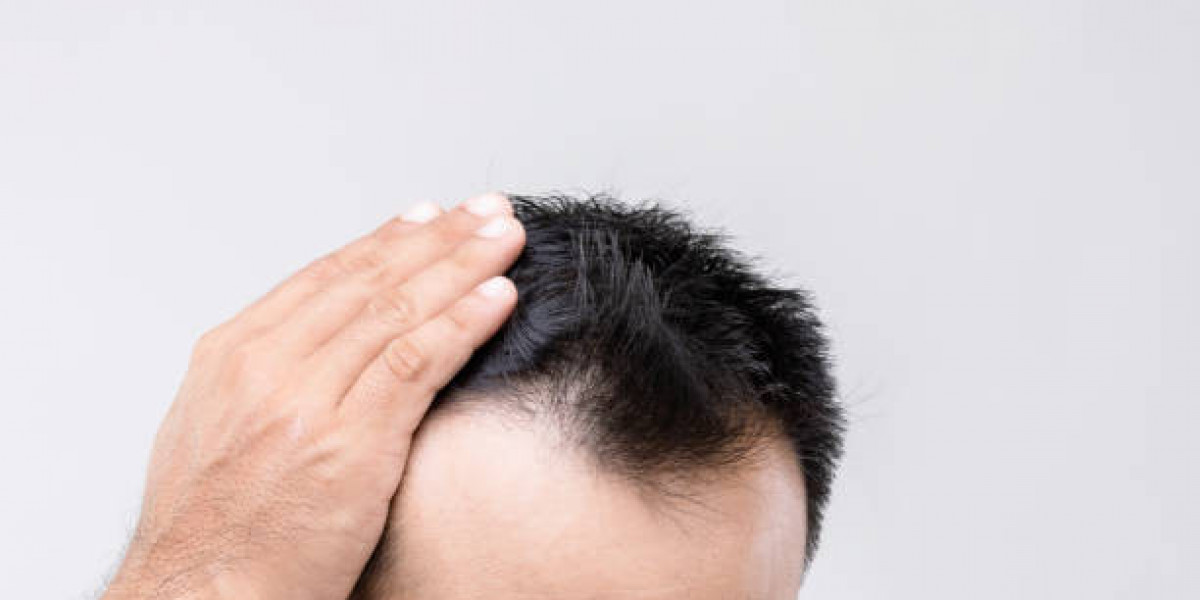
Male pattern hair loss, also known as androgenetic alopecia, usually develops gradually. Men may first notice a receding hairline, thinning around the temples, or reduced density at the crown.
The pattern and rate of progression vary between individuals. Genetics can influence when hair loss begins, where it appears, and how quickly it develops.
Why Does It Happen?
Hormonal sensitivity plays an important role in male pattern hair loss. In genetically susceptible follicles, exposure to DHT can contribute to follicle miniaturization, causing affected hairs to become progressively finer and shorter over time.
Because the underlying cause can continue to affect follicles, identifying the condition early may be useful when discussing available treatment options.
How Can PRP Help With Male Pattern Hair Loss?
Supporting Existing Follicles
PRP contains platelets and growth-related substances that may support biological processes involved in tissue repair and follicle activity. The treatment is generally intended to help existing follicles rather than create completely new follicles.
This distinction is important for setting realistic expectations. PRP may be more relevant to areas where viable but weakened follicles are still present.
Improving Hair Appearance
With an appropriate treatment plan, some patients may experience improvements in hair thickness, density, or overall appearance. Results vary, and PRP cannot guarantee the same outcome for every person.
A practitioner can assess the condition of the scalp and discuss what level of improvement may be realistic.
Who May Be a Candidate for PRP?
PRP may be considered for men with certain forms of early or moderate hair thinning where follicles remain present. Suitability depends on the extent and cause of hair loss, scalp health, medical history, and individual treatment goals.
Men with advanced hair loss or areas where follicles are no longer viable may require other treatment approaches. A professional examination can help distinguish between these situations.
What Happens During PRP Treatment?
Blood Collection
A small amount of blood is collected and processed to separate the platelet-rich plasma. The preparation technique can vary according to the clinic and treatment protocol.
Targeted Scalp Injections
The prepared PRP is injected into areas affected by thinning. The practitioner selects the injection sites according to the individual's hair-loss pattern and treatment plan.
The procedure is minimally invasive, although temporary tenderness, redness, or swelling may occur afterward.
How Many PRP Sessions May Be Needed?
A course of PRP may involve multiple treatment sessions rather than a single appointment. The recommended number and spacing of sessions depend on the individual's condition and response.
Your practitioner can establish a personalized schedule and monitor changes over time. Follow-up assessments can help determine whether additional treatment is appropriate.
When Do Results Appear?
PRP does not produce instant hair growth. Hair follicles operate through natural growth cycles, so visible changes can take time to develop.
Some patients may notice gradual changes in hair texture or density over the following months. The timeline varies according to follicle health, the severity of thinning, genetics, age, and other individual factors.
Can PRP Permanently Stop Male Pattern Hair Loss?
PRP should not be considered a guaranteed permanent cure for male pattern hair loss. Because genetic and hormonal influences can continue to affect susceptible follicles, hair thinning may progress even after treatment.
Depending on the individual's diagnosis and goals, a practitioner may discuss maintenance sessions or other evidence-based hair-loss treatments as part of a longer-term management plan.
PRP and Other Hair-Loss Treatments
Male pattern hair loss can be managed using several approaches. Depending on the individual case, options may include topical or oral medications, PRP, low-level light-based approaches, or hair transplantation.
These treatments work differently and are not interchangeable. A qualified practitioner can explain the potential benefits, limitations, risks, and suitability of each option based on the individual's condition.
What Can Affect PRP Results?
Stage of Hair Loss
The condition of existing follicles can influence the potential response. PRP is generally intended to support existing follicles, so treatment goals may differ between early thinning and advanced follicular loss.
Individual Factors
Genetics, age, hormonal influences, general health, scalp condition, and treatment consistency can all affect outcomes. This is why results should be evaluated individually rather than compared directly with another person's experience.
Treatment Plan
Following the recommended treatment schedule and attending follow-up appointments allows your practitioner to monitor your progress and make appropriate adjustments when necessary.
What Should Men Know Before Treatment?
Before PRP Hair Treatment in Riyadh, discuss your hair-loss history, medications, supplements, medical conditions, allergies, and previous treatments with your practitioner.
Do not stop prescribed medication or begin new supplements without professional guidance. A detailed consultation can also help identify whether your hair loss is consistent with male pattern hair loss or may have another cause requiring different management.
When Should You Seek Professional Advice?
Sudden hair loss, rapidly progressing thinning, significant scalp inflammation, or clearly defined patches of hair loss may require professional evaluation. These patterns can have causes other than typical male pattern hair loss.
Early assessment can help identify the underlying issue and determine which treatment options are appropriate for your situation.
Book an Appointment at Royal Clinic Saudia
If you are experiencing male pattern hair loss and want to explore whether PRP may be suitable, a professional consultation can help assess your scalp and discuss realistic treatment goals. Book an appointment at Royal Clinic Saudia to discuss your hair-loss pattern, PRP suitability, treatment plan, expected results, and aftercare with a qualified practitioner.