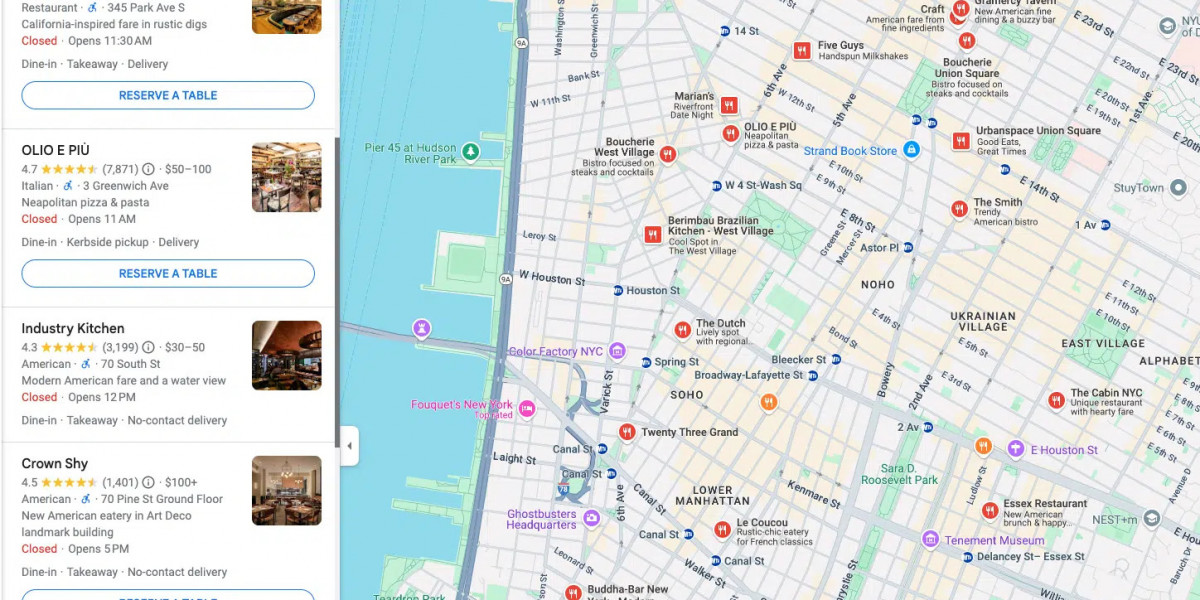

Sales and marketing teams have long known that Google Maps is one of the richest sources of local business data available, but manually copying listings one by one simply doesn't scale. That gap is exactly where Outscraper Google Maps Scraper fits in, automating the extraction process so teams can focus on outreach and strategy instead of data entry. The following sections cover everything from initial setup to real-world use cases across a range of industries.
Tips for Cleaner Data
Running narrower, more specific searches generally produces cleaner data than broad, vague queries. Including the business type and a specific city or neighborhood, rather than a wide region, tends to reduce irrelevant results and keeps the exported dataset focused on exactly what's needed. It also helps to review a sample of results early on, checking for duplicate listings, closed businesses that may still appear, or categories that don't quite match what was intended. Catching these issues early saves time compared to discovering them after a list has already been uploaded into an outreach tool.
Running Your First Search
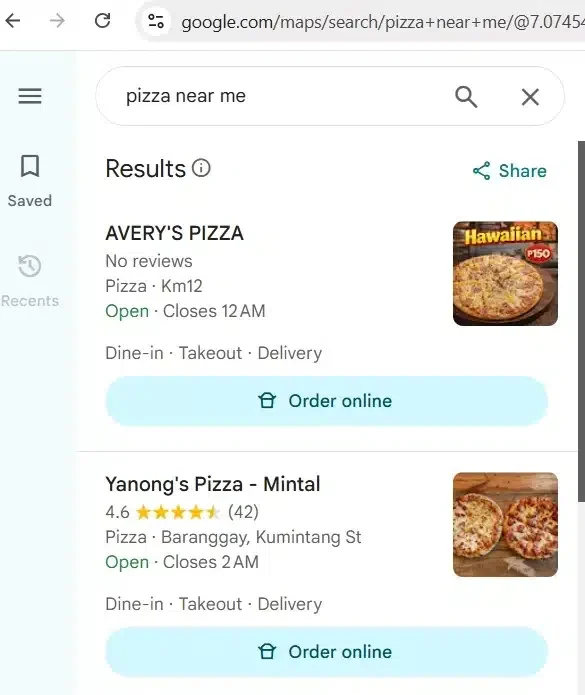
Getting started typically involves entering a search term, such as a business category combined with a city or zip code, and letting the tool pull every matching listing within that scope. Once the search runs, results can be filtered, sorted, and exported directly to CSV or Excel, making it easy to hand the file off to a sales team or import it into another platform. New users often start with a small test search to get a feel for the output format before running larger extractions across multiple cities or categories. This approach helps confirm that the data fields returned match what's actually needed for the project, whether that's just names and phone numbers or a fuller dataset including websites and review counts.
How the Tool Works
At its core, the tool takes a search query, similar to what you would type directly into Google Maps, and returns structured data for every matching business listing. That includes the business name, full address, phone number, website, category, star rating, number of reviews, and often additional fields like opening hours and social profiles when available. Instead of clicking through dozens or hundreds of individual listings, users get a complete dataset in one export. The process works by running searches across a defined location and business type, then compiling the results into rows and columns rather than a scattered list of map pins. This structured format is what makes the data immediately usable, whether the goal is building a prospect list, mapping out competitors in a region, or feeding a local SEO audit.
Importing Data into Your Workflow
Because exports come in standard CSV or Excel formats, importing them into a CRM, email platform, or spreadsheet-based workflow is usually straightforward. Most CRMs accept bulk CSV imports with field mapping, so a business name column maps to a company field, a phone number column maps to a contact field, and so on. Teams running cold outreach campaigns often pair this kind of exported data with an email finder or verification step before uploading contacts into their outreach platform, ensuring that the list going into a campaign is both accurate and properly formatted for whatever sequencing tool they're using.
Choosing the Right Tool
Choosing the right tool for pulling business data ultimately comes down to how well it balances speed, accuracy, and ease of use. A tool that's fast but produces messy or outdated data isn't actually saving time once someone has to clean it up manually afterward. For teams that regularly need fresh local business data, whether for sales, marketing, research, or partnership development, having a reliable extraction process in place removes one of the most tedious parts of the job and lets the team focus on what to do with the information once it's in hand. Whether the goal is building a cold outreach list, researching a new market, or simply keeping a CRM up to date, the ability to pull structured data straight from Google Maps saves time that would otherwise go into manual research.