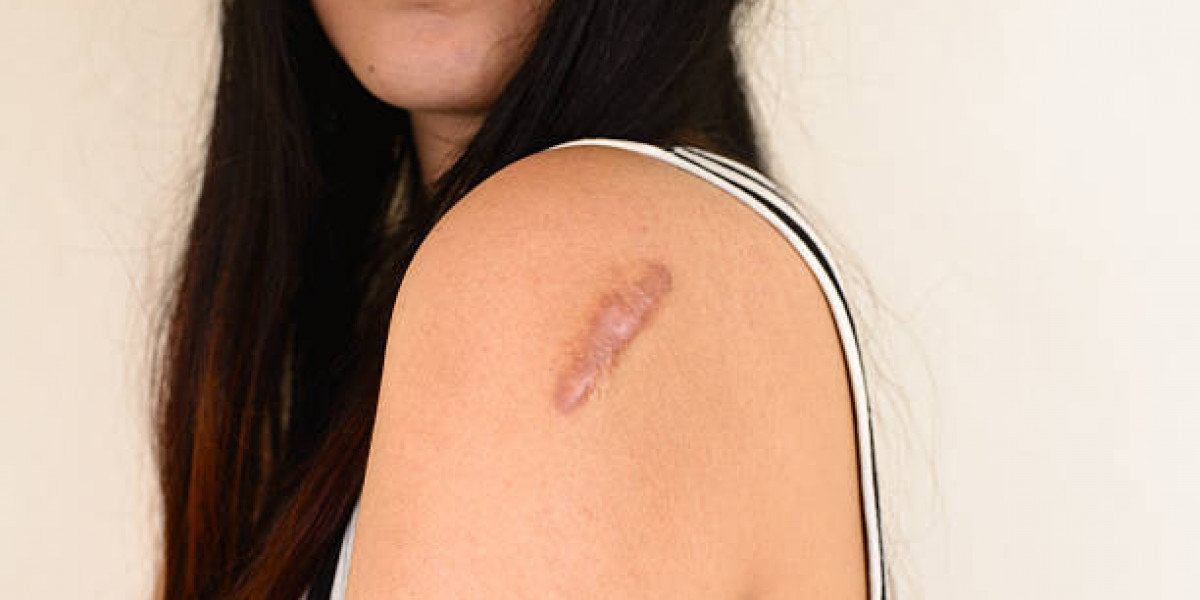

Keloids and hypertrophic scars are both raised types of scars that develop during the healing process, but they are not exactly the same. Understanding the difference is important because each type of scar may respond differently to treatment. Choosing appropriate keloid removal begins with correctly identifying whether the raised scar is a keloid or a hypertrophic scar.
Although both conditions involve excessive scar tissue and may appear after injuries, surgery, burns, acne, or other skin trauma, their growth patterns and characteristics can differ. A professional evaluation can help determine the type of scar and guide a treatment plan based on its appearance, location, thickness, symptoms, and history.
What Is a Keloid?
A keloid forms when the body produces excessive collagen during wound healing. One of its defining characteristics is that it can grow beyond the original boundaries of the wound.
Keloids may continue to enlarge over time and can become firm, raised, itchy, tender, or uncomfortable. They can develop on areas such as the chest, shoulders, back, neck, and earlobes.
Keloid Growth Pattern
Unlike a normal scar, a keloid may extend into the surrounding healthy-looking skin. Its growth can continue for months or sometimes longer, depending on individual factors.
Appearance of Keloids
Keloids can have a smooth, shiny, or firm surface. Their color may range from pink or red to darker shades, depending on the individual's skin tone and the maturity of the scar.
What Is a Hypertrophic Scar?
A hypertrophic scar is also raised because of increased collagen production, but it generally remains within the boundaries of the original injury.
These scars may become thick and firm but can sometimes flatten or become less noticeable as they mature. Their development and progression can differ significantly from those of keloids.
Hypertrophic Scar Growth Pattern
The scar usually remains confined to the area of the original wound. This distinction can be useful when differentiating a hypertrophic scar from a keloid.
Changes Over Time
Hypertrophic scars may gradually become softer and flatter as the healing process continues. However, some can remain raised or noticeable for an extended period.
Key Difference Between Keloids and Hypertrophic Scars
The main difference is their growth pattern. Keloids can extend beyond the original wound, whereas hypertrophic scars typically stay within the original injury.
The two conditions can also differ in how they mature, how long they remain raised, and how they respond to different treatment approaches. This is why accurate identification is an important first step.
How Does Treatment Differ?
Treatment is selected according to the type of scar and its individual characteristics. A treatment that may be appropriate for a hypertrophic scar is not necessarily the ideal approach for a keloid.
With Keloid Treatment in Riyadh, practitioners may consider options such as corticosteroid injections, silicone-based scar management, cryotherapy, laser treatment, or surgical approaches in selected cases.
Hypertrophic scars may also respond to treatments such as silicone therapy, corticosteroid injections, laser procedures, or other scar-management techniques. The exact approach depends on the scar's thickness, age, symptoms, and location.
Treatment Considerations for Keloids
Managing Excessive Scar Growth
Because keloids can extend beyond the original wound and continue growing, treatment may focus on reducing their thickness and controlling their activity.
Recurrence Awareness
Keloids can return after treatment, particularly following surgical removal. For this reason, surgery may sometimes be combined with additional treatment or follow-up care.
Personalized Treatment
The size, location, age, and previous treatment history of a keloid can all influence the recommended approach. A personalized plan can help address the specific characteristics of the scar.
Treatment Considerations for Hypertrophic Scars
Supporting Scar Flattening
Since hypertrophic scars remain within the original wound, treatment may focus on reducing their raised appearance and improving their texture.
Monitoring Natural Changes
Some hypertrophic scars gradually become flatter and softer over time. Monitoring their development can help determine whether active treatment is necessary.
Addressing Symptoms
If a hypertrophic scar causes itching, tightness, tenderness, or discomfort, treatment may be considered to improve both its appearance and symptoms.
Can the Same Treatments Be Used for Both?
There can be overlap between treatment options for keloids and hypertrophic scars. Silicone products, corticosteroid injections, laser-based procedures, and other scar-management methods may be considered for both conditions.
However, the way these treatments are selected and combined can differ. Keloids often require greater attention to recurrence because they can extend beyond the original wound and may continue to grow.
Why Correct Diagnosis Matters
A raised scar should not automatically be assumed to be a keloid. A professional examination can help distinguish between keloids, hypertrophic scars, and other types of abnormal scarring.
This distinction is important because treatment goals and expectations can vary. With Keloid Treatment in Riyadh, an individualized assessment can help determine the nature of the scar and identify suitable management options.
When Should You Seek Professional Evaluation?
Consider having a raised scar evaluated if it continues to grow, becomes increasingly thick, causes persistent itching or discomfort, or changes in color or texture.
Early assessment can be particularly helpful for people who have previously developed keloids or who are concerned about an unusual scar following surgery, acne, injury, or piercing.
Book an Appointment
If you are unsure whether a raised scar is a keloid or hypertrophic scar, Royal Clinic Saudia can assess its characteristics and discuss suitable treatment options. Keloid Treatment in Riyadh can be personalized according to the type, location, size, appearance, symptoms, and history of the scar.
FAQs:
What is the main difference between a keloid and a hypertrophic scar?
A keloid can grow beyond the original wound, while a hypertrophic scar generally remains within the boundaries of the original injury.
Do hypertrophic scars go away on their own?
Some hypertrophic scars may gradually flatten and become less noticeable over time, although this varies between individuals.
Can the same treatment be used for keloids and hypertrophic scars?
Some treatments can be used for both, but the treatment plan depends on the type and characteristics of the scar.
Why is it important to identify the type of raised scar?
Correct identification helps a practitioner choose an appropriate treatment approach and establish realistic expectations for scar management.