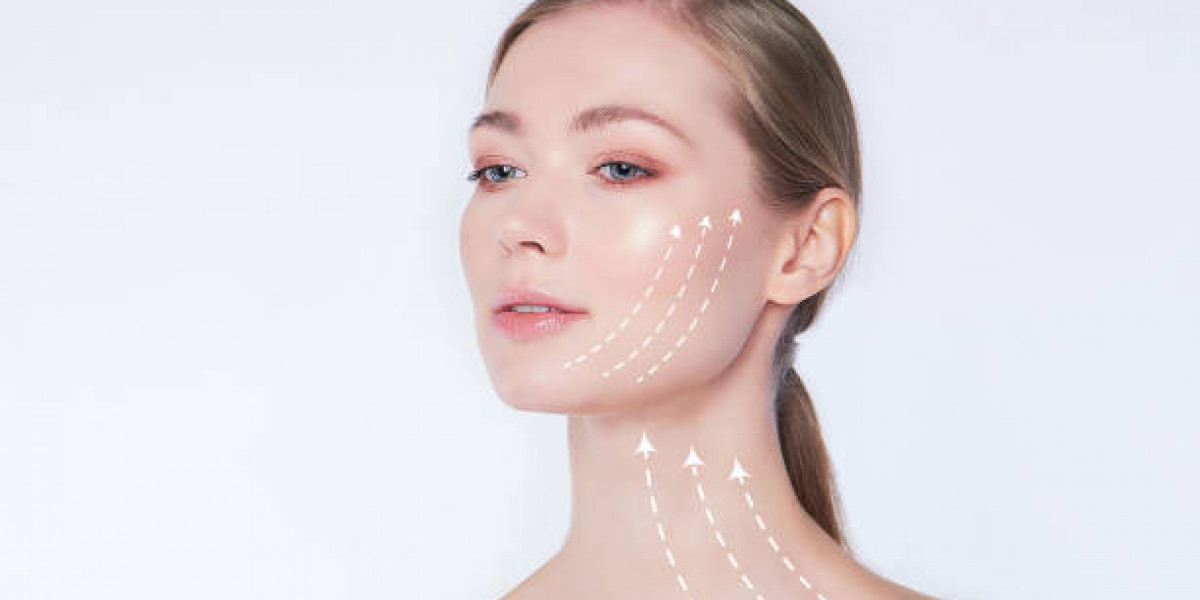

A facelift is often associated with dramatic changes, but modern facial rejuvenation has moved toward results that look refreshed rather than obviously altered. The goal is not to create a completely different face but to address age-related changes while maintaining the person’s natural facial character. With careful planning and appropriate surgical techniques, a facelift can improve sagging skin, facial contours, and lower-face definition while supporting a balanced appearance.
For people considering facelift cost in riyadh, understanding how modern techniques work can help set realistic expectations. Contemporary approaches focus on more than simply tightening the outer layer of skin. Surgeons may reposition deeper facial tissues, manage excess skin carefully, and tailor the procedure to the individual’s anatomy. This personalized approach can help create results that appear harmonious with the patient’s existing features.
What Makes a Facelift Look Natural?
A natural-looking facelift depends on several factors, including surgical technique, tissue positioning, skin management, and individual anatomy. The objective is to restore facial structures toward a more youthful position rather than pulling the skin excessively.
Maintaining Facial Proportions
Facial rejuvenation should preserve the relationship between the cheeks, jawline, chin, and neck. Overcorrection in one area can make the face appear unnatural, so a balanced treatment plan is important.
Avoiding Excessive Skin Tightening
Simply pulling the skin tightly may create an overly stretched appearance. Modern facelift techniques generally consider the underlying tissues as well as the skin, allowing the surgeon to address laxity more comprehensively.
How Modern Facelift Techniques Have Evolved
Traditional facelift approaches primarily focused on tightening and removing excess skin. Modern procedures can involve repositioning deeper supporting tissues to improve facial structure and contour.
SMAS-Based Techniques
The superficial musculoaponeurotic system, commonly known as the SMAS, is a layer of connective and muscular tissue beneath the skin. Techniques involving the SMAS can allow surgeons to address deeper facial laxity rather than relying entirely on skin tension.
Deep-Plane Approaches
A deep-plane facelift works with deeper anatomical tissue planes and may allow certain facial tissues to be repositioned together. This approach can be useful for selected patients with noticeable midface and lower-face aging, although suitability depends on individual anatomy and the surgeon’s assessment.
Customized Tissue Repositioning
Not every patient needs the same degree or type of correction. A surgeon may adjust the technique according to skin quality, tissue laxity, facial structure, and the areas the patient wants to improve.
Can a Facelift Preserve Your Natural Facial Expressions?
One of the concerns many patients have is whether surgery will make their face appear stiff or expressionless. A well-planned procedure aims to improve structural laxity without unnecessarily restricting normal facial movement.
Understanding the Role of Deeper Tissues
Because modern techniques may address deeper supporting layers, the surgeon can reduce reliance on aggressive skin tension. This can contribute to a more relaxed postoperative appearance once healing is complete.
Individual Anatomy Matters
Facial movement and tissue structure vary from person to person. Surgical planning should therefore be based on the patient’s unique anatomy rather than using exactly the same approach for everyone.
What Areas Can a Modern Facelift Improve?
A facelift is primarily designed to address visible signs of aging in the lower and middle portions of the face. Depending on the technique, it may improve several concerns.
Sagging Cheeks and Jowls
As facial tissues descend with age, the cheeks and jawline may lose definition. Repositioning tissues can help restore a smoother transition between these areas.
Jawline Definition
Loose skin and underlying tissue laxity can soften the jawline. A facelift may help create a clearer contour when laxity is a major contributor.
Neck Aging
Some facelift procedures are combined with neck-focused treatment when loose neck skin or tissue laxity is also present. The appropriate combination depends on the patient’s anatomy and goals.
What a Facelift Cannot Correct
Understanding the limits of surgery is just as important as understanding its benefits. A facelift does not necessarily correct every sign of facial aging.
Fine lines, skin discoloration, sun damage, and changes in skin texture may require separate skincare or aesthetic treatments. Likewise, changes around the forehead and eyebrows may be better addressed with other procedures when appropriate. During a consultation for Facelift in Riyadh, the treatment plan can be tailored according to which concerns are caused primarily by tissue laxity and which involve skin quality or other factors.
How Surgeons Plan for Natural-Looking Results
Natural results begin before surgery. During consultation, the surgeon typically evaluates facial structure, skin condition, tissue laxity, medical history, previous procedures, and the patient’s expectations.
Setting Realistic Goals
The best results are usually based on improving age-related changes rather than trying to reproduce the appearance of a much younger person. Realistic goals help patients understand what surgery can and cannot achieve.
Considering the Entire Face
A surgeon may assess how the cheeks, jawline, chin, and neck relate to one another. Looking at the face as a whole can help prevent an isolated correction from appearing disproportionate.
Planning Incisions Carefully
Incision placement is also part of surgical planning. Surgeons generally consider natural skin creases, the hairline, and areas around the ears when determining where incisions should be positioned.
What Should You Expect After Surgery?
Immediately after a facelift, the face may look swollen, bruised, tight, or different from the eventual result. These temporary changes can make it difficult to judge the outcome during the early recovery period.
As swelling gradually decreases and tissues settle, the appearance becomes more refined. Following postoperative instructions and attending scheduled follow-up appointments can support proper healing. The final appearance develops progressively rather than immediately after surgery.
Choosing the Right Approach for Your Face
There is no single facelift technique that is ideal for every patient. The most appropriate approach depends on factors such as the location of laxity, skin characteristics, facial anatomy, previous surgery, and desired level of correction.
For anyone researching Facelift in Riyadh, choosing a qualified and experienced facial plastic surgeon is an important part of the process. A thorough consultation allows the surgeon to explain the available techniques, expected recovery, potential risks, and realistic outcomes based on individual needs.
Book an Appointment
If you are considering facial rejuvenation and want to understand whether a facelift could provide a natural-looking improvement, schedule a consultation with Royal Clinic Saudia. A personalized assessment can help you understand your facial concerns, suitable treatment options, and what type of result may be realistic for your features.
FAQs:
Can a facelift look completely natural?
Yes. When appropriately planned and performed, a facelift can create subtle, balanced improvements while preserving the patient’s natural facial characteristics.
Does a modern facelift only tighten the skin?
No. Modern techniques may address deeper supporting tissues as well as excess skin, depending on the patient and surgical approach.
Will a facelift change my facial expressions?
The goal is generally to preserve natural facial movement while improving tissue laxity. Individual results depend on anatomy, technique, and healing.
How long does it take for a facelift to look natural?
Swelling and tightness gradually improve during recovery. The appearance continues to refine as tissues settle and healing progresses.