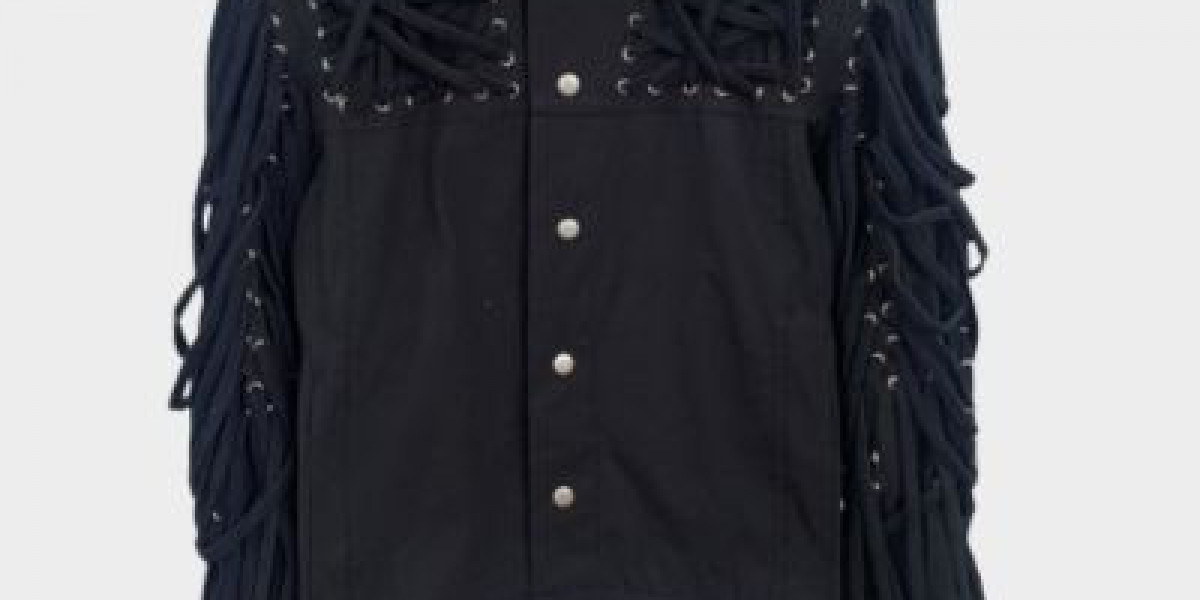

I used to think Rick Owens jackets were pure runway theater — big shoulders, dramatic zips, the kind of thing that looks incredible for a photo and then falls apart the second real weather shows up. I was wrong. A Rick Owens jacket, at least the leather and shearling pieces, is genuinely built for cold weather, not just styled to look like it. That's the whole point of this piece: separating the pieces that actually work in a real winter from the ones that just photograph well.Rick Owens has been doing this since the early 2000s. Dense wool, thick leather, shearling that's actually warm instead of decorative. The label built its reputation on draping and silhouette, sure, but underneath that there's fabric weight most fashion brands don't bother with.
Why These Jackets Feel Different Once You Actually Wear One
Everyone talks about the cut first. Drop shoulders, asymmetric zippers, that elongated proportion Owens is known for. Fine, that's real, but it's not why the rick owens you warm.The leather is the tell. A lot of designer leather jackets sit around 0.9 to 1.1mm thick, which is fine for a mild fall day and basically useless once wind picks up. Owens leather runs noticeably thicker in places — closer to 1.3 to 1.5mm on the heavier biker and bomber cuts. That extra density is what blocks wind, not the shape.And then there's the room. The oversized fit isn't there to look slouchy for no reason. It exists so you can actually put a sweater underneath without the jacket choking you. Try that in a slim-cut coat from most other brands and you'll see the difference immediately.
Which Fabrics Actually Hold Up In Cold Weather
Not every piece Owens makes is winter gear, and this is where people get it wrong when they're shopping.Shearling is the strongest performer, full stop. Owens has used it consistently for two decades and it remains one of the only genuinely insulating options in his lineup that isn't relying on synthetic fill. Heavyweight leather comes next — good in dry cold, less great once it's wet. The wool-blend coats under the DRKSHDW line do fine in moderate cold if you layer properly underneath. Nylon and technical pieces handle wind and wet conditions reasonably well too.Cotton canvas jackets, though? Skip those if you're buying for winter. They're closer to a fall transitional piece than actual cold-weather protection, no matter how heavy they look on the hanger.
Rick Owens vs. A Technical Puffer Which Actually Wins On Warmth
Straight answer: a good down puffer will out-insulate a Rick Owens jacket almost every time, pound for pound. I'm not going to pretend otherwise. Technical brands engineer specifically for warmth-to-weight ratio, and fashion houses don't optimize for that the same way.What Owens gives you instead is warmth without looking like you rolled out in a sleeping bag. The density of the leather and shearling, combined with all that layering room, gets you real protection in city cold — wind chill, damp mornings, that kind of thing — without the puffer silhouette. If you're dealing with actual Arctic temperatures though, layer a lighter Owens piece over technical base layers rather than expecting one jacket to do the whole job. Nobody buys one coat for negative twenty conditions and calls it a day, regardless of brand.
Small Construction Details That Actually Matter
A few things separate the serious cold-weather pieces from the ones that are more about looking rugged than being rugged.The collar is a big one — a lot of Owens jackets have a double-layered collar that folds up and genuinely blocks neck drafts, which sounds minor until you're standing at a bus stop in January. The extended back panel on several biker and bomber cuts stops cold air sneaking in when you sit down, something most people never notice until they don't have it. And those asymmetric zips aren't just for looks either; they overlap the front closure in a way that cuts down on draft compared to a flush center zip.None of this is marketing fluff. It shows up consistently across seasons, and it's the reason people who've worn these jackets through actual winters tend to stick with the brand.
Don't Size Down — Here's Why That Matters More Than You'd Think
People new to Rick Owens almost always want to size down. The proportions look huge in photos, so the instinct is to correct for it.Don't. The oversized fit is functional, not accidental — it's built around the assumption that you'll layer underneath. Size down and you lose that room entirely, which means the jacket loses a good chunk of its actual warmth along with the fit. Go by Owens' own size chart instead of whatever size you usually wear in other designer brands, and if you can, try the jacket on over a sweater before buying. It changes how the whole thing sits.
Is It Actually Worth The Money For Cold Climates
If you live somewhere winter is a real thing — not just a chilly week in December — a Rick Owens jacket in shearling or heavy leather is a legitimate investment, not just an expensive style choice. The construction holds up. That said, prices start around $1,500 for entry leather pieces and climb past $5,000 for shearling, which is a lot compared to a technical outerwear brand offering similar warmth for a third of the price.Here's my honest opinion on it: buy Rick Owens because you want the design and the warmth together, not because you're trying to save money on winter gear. If price-per-degree-of-warmth is your only concern, a puffer wins every time and it's not close.
Keeping It Alive Through Winter
Winter is rough on any coat — road salt, slush, going from freezing outside to overheated indoor heating and back again. Leather needs conditioning every couple months during heavy winter use or it starts cracking at the elbows and cuffs first. Shearling should never touch a washing machine; take it to a specialist. Wool-blend coats just need a brush after wet days so the surface doesn't mat down. Skip all this and even a $3,000 jacket looks tired after one season, which is honestly the most common reason people end up disappointed with an expensive coat.
Bottom Line
A Rick Owens jacket isn't for someone who wants outerwear to disappear into the background. It's for someone who wants real cold-weather performance without sacrificing the silhouette. If you're buying one, go shearling or heavy leather if you actually need warmth, size according to the brand chart rather than habit, and budget time for leather care if you want it lasting more than a couple seasons. Check Rick Owens' official site or authorized stockists for current stock before buying secondhand fit and fabric weight shift noticeably between collections.