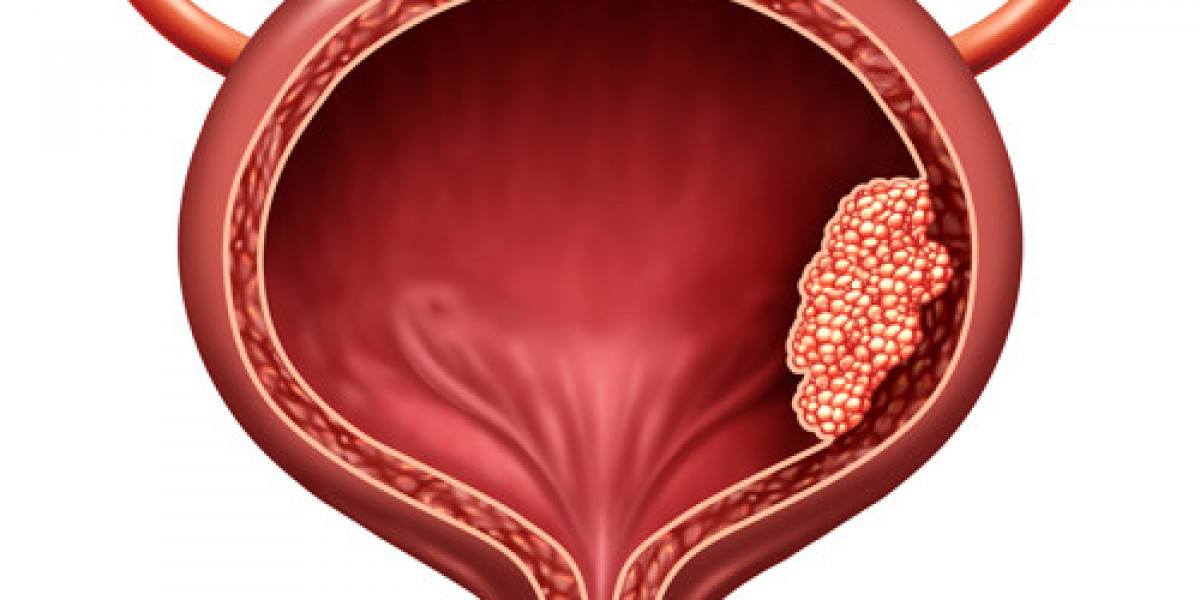

Bladder and kidney tumors are conditions that require careful evaluation because not every tumor is cancerous, and treatment depends on the tumor’s type, size, location, stage, grade, and the patient’s overall health. When cancer is confirmed or strongly suspected, surgery is often an important part of treatment. Depending on the tumor, surgery may involve removing the tumor through the urinary passage, removing part of an organ, or removing the entire affected organ.
This guide explains when surgery may be recommended, the tests used for diagnosis, common surgical procedures, recovery, possible complications, and what patients can expect before and after treatment.
What Are Bladder and Kidney Tumors?
A tumor is an abnormal growth of cells. Tumors can be benign, meaning they are not cancerous, or malignant, meaning they are cancerous.
Bladder tumors most commonly arise from the lining of the bladder and are often urothelial carcinomas. Kidney tumors can develop from different types of kidney cells, with renal cell carcinoma being the most common kidney cancer in adults.
The treatment approach is different for bladder and kidney tumors. Doctors consider the pathology, tumor stage, location, size, number of tumors, kidney function, and whether the cancer has spread before recommending surgery.
What Symptoms Can Bladder or Kidney Tumors Cause?
Some tumors are discovered incidentally during imaging performed for another reason. When symptoms occur, they may include:
- Blood in the urine (hematuria)
- Frequent urination
- Urgent need to urinate
- Burning or pain while urinating
- Pain in the side or lower back
- Abdominal discomfort
- Unexplained weight loss
- Loss of appetite
- Fatigue
- A mass or swelling in the abdomen in some kidney tumors
Blood in the urine is an important warning sign. However, hematuria can have many causes other than cancer, including urinary infections, kidney stones, and other urinary conditions. Therefore, visible or persistent blood in the urine should be medically evaluated rather than assumed to be cancer.
How Are Bladder Tumors Diagnosed?
Diagnosis usually involves a combination of medical history, urine testing, cystoscopy, imaging, and tissue examination.
Urinalysis
A urine test can identify blood, white blood cells, protein, and other abnormalities. It can help determine whether urinary symptoms may be associated with infection or another urinary condition.
Urine Cytology
Urine cytology examines cells shed into urine under a microscope. It can help identify abnormal cells associated with certain bladder cancers. It is particularly useful as part of an overall evaluation rather than as a standalone test.
Urine Culture
If infection is suspected, a urine culture may be performed to identify bacteria and help select an appropriate antibiotic.
Urine Tumor Marker Tests
Certain urine-based tumor marker tests may be used in selected circumstances. They can provide additional information but do not replace cystoscopy and other appropriate diagnostic investigations.
Cystoscopy
Cystoscopy is one of the most important tests for evaluating suspected bladder cancer. A thin instrument called a cystoscope is passed through the urethra into the bladder, allowing the urologist to directly examine the bladder lining.
If an abnormal area is found, tissue can be removed for biopsy or tumor removal.
Biopsy and Pathology
The tissue removed during a biopsy or tumor surgery is examined by a pathologist.
The pathology report can provide important information about:
- Tumor type
- Tumor grade
- Depth of invasion
- Presence of cancer cells
- Other characteristics important for treatment planning
Pathology is essential because treatment depends heavily on the biological and microscopic characteristics of the tumor.
How Are Kidney Tumors Diagnosed?
Kidney tumors are usually evaluated with imaging and laboratory tests.
Ultrasound
An ultrasound may identify a kidney mass and help distinguish cystic from solid abnormalities.
CT Scan
A contrast-enhanced CT scan is commonly used to characterize a kidney mass and evaluate its size, location, surrounding structures, and possible spread.
Current European Association of Urology guidance recommends multiphasic contrast-enhanced CT of the abdomen and chest for diagnosis and staging of renal tumors, while MRI may be useful in selected situations.
MRI
MRI may be recommended when CT findings are unclear, when evaluation of blood-vessel involvement is important, or when avoiding certain types of radiation or contrast exposure is appropriate.
Kidney Tumor Biopsy
A percutaneous biopsy may be recommended in selected patients when knowing the exact tumor type will influence treatment decisions. It is particularly relevant when active surveillance or nonsurgical treatment is being considered.
Laboratory Tests Related to Kidney and Bladder Tumors
Laboratory testing does not by itself diagnose most urinary tract tumors, but it provides important information about the patient's overall health and helps doctors plan treatment.
Depending on the situation, tests may include:
Complete Blood Count (CBC)
A CBC can identify anemia or other blood abnormalities. Anemia may occur in people with chronic blood loss or certain cancers.
Serum Creatinine
Creatinine helps assess kidney function and is particularly important when a kidney tumor may require partial or radical nephrectomy.
Estimated Glomerular Filtration Rate (eGFR)
eGFR provides an estimate of how well the kidneys are filtering blood. It is important when planning treatment because preserving kidney function is an important consideration.
Liver Function Tests
Liver function tests may be included in the general evaluation and staging workup.
Alkaline Phosphatase and LDH
These may be assessed in selected kidney cancer patients as part of laboratory evaluation and overall disease assessment.
Coagulation Tests
Blood-clotting tests may be performed before surgery to assess bleeding risk and prepare for an operation.
Urinalysis
Urinalysis can detect blood and other urinary abnormalities and may contribute to the evaluation of both kidney and bladder conditions.
The EAU's current kidney cancer guidance lists creatinine/eGFR, CBC, CRP or ESR, liver function tests, alkaline phosphatase, LDH, coagulation studies, and urinalysis among commonly assessed laboratory parameters.
When Is Surgery Needed for a Bladder Tumor?
The need for surgery depends primarily on the tumor's characteristics.
For many non-muscle-invasive bladder cancers, the first surgical treatment is transurethral resection of bladder tumor (TURBT).
For muscle-invasive or certain very high-risk bladder cancers, more extensive surgery may be required.
Treatment decisions can also involve chemotherapy, immunotherapy, radiation therapy, or medicines placed directly into the bladder.
What Is TURBT?
Transurethral resection of bladder tumor (TURBT) is performed through the urethra, so there is usually no external abdominal incision.
During the procedure, a cystoscope is inserted into the bladder and specialized instruments are used to remove or destroy the tumor. The removed tissue is sent to pathology to determine the tumor's type and depth.
TURBT can serve both diagnostic and therapeutic purposes.
Depending on pathology and the risk of recurrence, additional treatment or repeat TURBT may be recommended.
When Is Bladder Removal Necessary?
A radical cystectomy involves removing the bladder and is generally considered for selected patients with muscle-invasive bladder cancer and certain very high-risk non-muscle-invasive cancers.
NCI guidance identifies radical cystectomy as one of the major treatments for stage II and III bladder cancer. In appropriate patients, chemotherapy may be given before surgery, while additional treatment may be recommended afterward based on the patient's cancer characteristics.
Because the bladder stores urine, removing it requires the surgeon to create a new route for urine to leave the body. This is called urinary diversion.
What Is Urinary Diversion?
After bladder removal, the urinary system needs a new way to transport urine.
Common approaches include:
Ileal Conduit
A short segment of intestine is used to create a passage through which urine exits the body into an external collection bag.
Continent Urinary Diversion
A reservoir is created inside the body and emptied through a catheter.
Neobladder
In selected patients, part of the intestine can be used to create a reservoir connected to the urethra, allowing urination through the natural urinary passage.
Not every patient is suitable for every type of urinary diversion. The choice depends on cancer location, anatomy, kidney function, overall health, and the surgeon's assessment.
When Is Surgery Needed for a Kidney Tumor?
Surgery is frequently used for localized renal cell cancer. The type of surgery depends on tumor size, location, stage, kidney function, and the condition of the opposite kidney.
The main operations are partial nephrectomy and radical nephrectomy.
What Is Partial Nephrectomy?
A partial nephrectomy removes the kidney tumor along with a margin of surrounding tissue while leaving as much healthy kidney tissue as possible.
Preserving functioning kidney tissue can be particularly important in patients who have:
- A tumor in both kidneys
- A single functioning kidney
- Existing kidney disease
- Increased future risk of kidney-function impairment
For appropriately selected localized kidney tumors, partial nephrectomy can provide cancer control while preserving more kidney function.
What Is Radical Nephrectomy?
Radical nephrectomy involves removing the entire affected kidney. Depending on the cancer and surgical plan, surrounding tissues and sometimes the adrenal gland or nearby lymph nodes may also be removed.
Radical nephrectomy may be recommended when the tumor is large, centrally located, technically unsuitable for partial nephrectomy, or has other features that make complete kidney removal the safer or more effective option.
A person can generally live with one functioning kidney, although kidney function needs to be monitored after surgery.
Open, Laparoscopic, or Robotic Surgery
Kidney tumor surgery may be performed using different surgical approaches.
Open Surgery
A larger incision is made to access the kidney or bladder. It may be appropriate for complex or extensive tumors.
Laparoscopic Surgery
Several small incisions are used with specialized instruments and a camera. This approach can reduce incision size and may shorten recovery compared with traditional open surgery in suitable patients.
Robot-Assisted Surgery
Robot-assisted surgery is a form of minimally invasive surgery in which the surgeon controls specialized instruments through a robotic system.
The choice depends on tumor characteristics, the patient's health, anatomy, available technology, and the surgical team's expertise. For partial nephrectomy, the EAU notes that open, laparoscopic, or robot-assisted approaches may be selected according to tumor characteristics and surgical expertise.
What Happens Before Tumor Surgery?
Before surgery, your urologist or urologic oncologist will review:
- Imaging scans
- Pathology reports, if available
- Kidney function
- Blood tests
- Urine tests
- Medical history
- Current medications
- Previous surgeries
- Heart and lung health
- Overall fitness for anesthesia
Additional investigations may be required depending on your age and medical conditions.
Your doctor may also discuss whether chemotherapy, immunotherapy, radiation, or another treatment should be given before or after surgery.
What Happens During Surgery?
The exact procedure depends on whether the tumor is in the bladder or kidney.
For TURBT, the tumor is approached through the urethra and removed or resected.
For partial nephrectomy, the surgeon removes the tumor while preserving the remaining healthy kidney whenever appropriate.
For radical nephrectomy, the affected kidney is removed.
For radical cystectomy, the bladder and selected surrounding structures are removed, followed by urinary diversion.
The duration of surgery varies significantly depending on the procedure and complexity of the tumor.
Recovery After Bladder Tumor Surgery
Recovery after TURBT is generally shorter than recovery after bladder removal.
Temporary urinary discomfort, urgency, or blood in the urine may occur after the procedure. Patients should follow instructions regarding activity, fluids, medications, and follow-up cystoscopy.
After radical cystectomy, recovery is more extensive because the operation is major and includes urinary diversion. Hospitalization and recovery time vary according to the surgical technique and the patient's overall condition.
Recovery After Kidney Tumor Surgery
After partial or radical nephrectomy, patients may experience:
- Incisional pain
- Fatigue
- Temporary changes in appetite
- Abdominal discomfort
- Changes in urinary habits