
Introduction
A beautiful embroidery design always begins with a high-quality embroidery file. Even the best embroidery machine cannot produce clean stitching if the file is not prepared correctly. Every logo, image, or piece of artwork must be carefully digitized before it can be stitched. A professionally created embroidery file improves stitch quality, reduces machine problems, and helps produce consistent results on many types of fabrics.
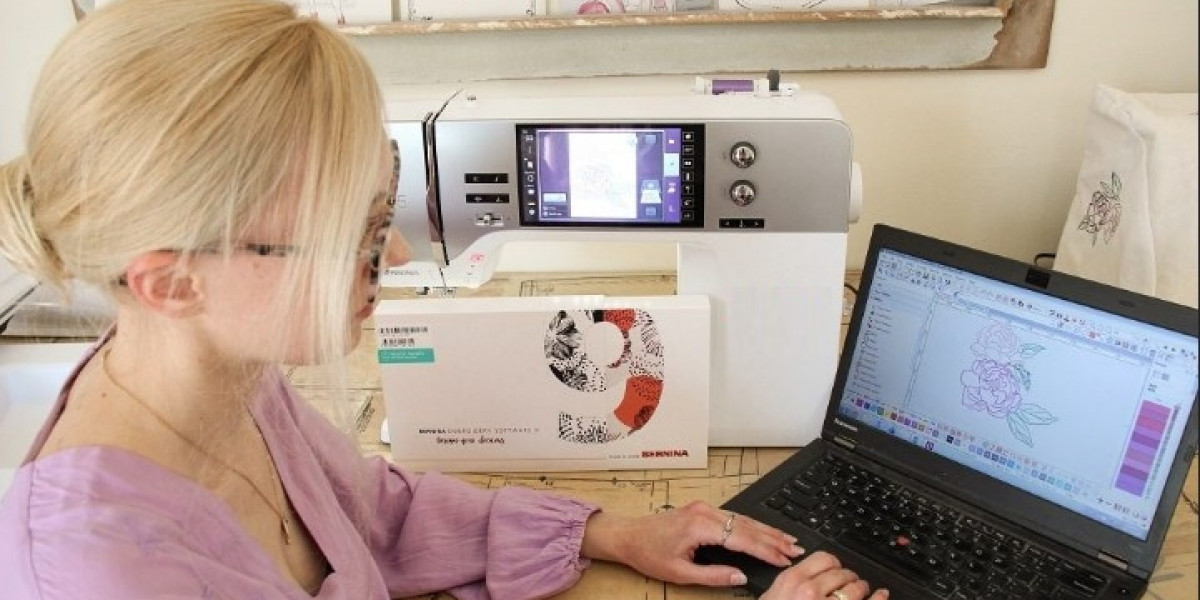
Choosing Professional VP3 embroidery file conversion gives you a machine-ready embroidery file that is prepared with care and precision. Skilled digitizers recreate your artwork by adjusting stitch types, stitch density, underlay, pull compensation, stitch direction, and stitch sequencing. This process helps reduce thread breaks, puckering, gaps, and uneven stitching while creating clean, sharp embroidery that performs well on compatible embroidery machines.
What Is a VP3 Embroidery File?
A VP3 file is a popular embroidery file format.
It is mainly used with Husqvarna Viking and Pfaff embroidery machines.
Unlike JPG or PNG images, a VP3 file does not store picture information.
Instead, it contains stitch data.
The embroidery machine reads this data to create the design.
The file includes:
Stitch locations
Stitch order
Thread color changes
Stitch types
Machine instructions
Without these details, an embroidery machine cannot stitch the design correctly.
Why Professional Conversion Is Important
Many people believe changing an image into a VP3 file is enough.
It is not.
Embroidery machines cannot read pictures.
They only understand embroidery stitches.
Professional digitizers manually recreate every part of the design.
This creates better embroidery and improves machine performance.
How VP3 File Conversion Works
Professional digitizing follows several important steps.
Review the Artwork
The digitizer carefully studies the design.
They examine:
Fine details
Small lettering
Shapes
Colors
Design size
High-quality artwork creates better embroidery.
Plan the Stitch Layout
Before stitching begins, the digitizer selects:
Stitch types
Stitch density
Underlay
Pull compensation
Stitch direction
Stitch sequence
These settings improve the finished embroidery.
Create the VP3 File
The artwork is rebuilt using embroidery stitches.
The completed design is then saved as a VP3 file.
Test the Design
Whenever possible, a sample stitch-out is completed.
Testing helps find:
Thread breaks
Gaps
Density issues
Registration problems
Small adjustments improve quality before production.
Understanding Stitch Types
Every embroidery design uses different stitch styles.
Satin Stitch
Satin stitches are ideal for:
Company logos
Small text
Borders
They create a smooth finish.
Fill Stitch
Fill stitches cover larger areas.
They provide strong coverage while keeping the fabric balanced.
Running Stitch
Running stitches work well for:
Thin outlines
Fine details
Decorative accents
Using the correct stitch type improves embroidery quality.
Why Underlay Is So Important
Underlay is the hidden stitching beneath the visible embroidery.
It supports the design during stitching.
Good underlay helps:
Reduce puckering
Improve stitch quality
Stabilize the fabric
Increase durability
Without proper underlay, embroidery can shift or become uneven.
Stitch Density Affects Every Design
Stitch density controls how closely stitches are placed together.
Too many stitches can damage fabric.
Too few stitches leave gaps.
Professional digitizers balance density for every project.
Fabric Type Matters
Different fabrics require different settings.
Examples include:
Cotton
Denim
Polyester
Canvas
Fleece
Each material behaves differently during embroidery.
Design Size Matters
Small logos need different density than large artwork.
Balanced settings improve the final appearance.
Stitch Direction Creates Better Results
Stitch direction changes how embroidery looks.
Good stitch direction helps:
Add texture
Improve detail
Reduce distortion
Create smoother stitching
It also allows the embroidery machine to work more efficiently.
Common Embroidery Problems Professional Conversion Prevents
Professional digitizing helps avoid many common issues.
Thread Breaks
Smooth stitch paths reduce machine stops.
Fabric Puckering
Correct underlay and balanced density keep fabric flat.
Uneven Stitching
Proper stitch direction creates even coverage.
Missing Details
Professional digitizing preserves fine artwork and small lettering.
Benefits of Professional VP3 File Conversion
Professional embroidery files offer many advantages.
Better Stitch Quality
Every stitch is carefully planned.
Faster Production
Machine-ready files reduce setup time.
Less Material Waste
Accurate files reduce production mistakes.
Reliable Machine Performance
Well-digitized files help embroidery machines run smoothly.
Consistent Results
Repeat orders produce the same embroidery quality every time.
Many embroidery businesses trust Absolute Digitizing because experienced digitizers create high-quality VP3 embroidery files that improve stitch quality, reduce production problems, and deliver dependable results.
How to Choose the Right Digitizing Company
Not every digitizing company provides the same level of quality.
Here are a few important things to look for.
Experienced Digitizers
Professional experience makes a big difference.
Experienced digitizers understand:
Stitch behavior
Fabric types
Machine settings
Complex logo designs
Manual Digitizing
Manual digitizing creates much cleaner embroidery than automatic software.
Every stitch is placed carefully.
Fast Turnaround
Reliable companies deliver files quickly while maintaining quality.
Quality Testing
Testing helps ensure the design stitches correctly before production.
Where VP3 Files Are Used
VP3 embroidery files are commonly used for:
Business logos
Company uniforms
Hats
Jackets
Patches
Sports apparel
Bags
Promotional products
Personalized gifts
Professionally digitized files improve quality across every application.
Whether you own an embroidery business, clothing brand, promotional company, or embroidery shop, Absolute Digitizing provides professionally digitized VP3 embroidery files that deliver reliable machine performance, cleaner stitching, and consistent embroidery quality on every order.
Frequently Asked Questions
Can I Convert a JPG Directly into a VP3 File?
No.
The image must first be professionally digitized into embroidery stitches.
Is Manual Digitizing Better Than Automatic Software?
Yes.
Manual digitizing creates cleaner and more accurate embroidery files.
Can One VP3 File Work on Every Fabric?
Not always.
Different fabrics often require different stitch settings.
Why Is a Test Stitch-Out Important?
Testing helps find small problems before production begins.
This saves time, thread, fabric, and money.
Conclusion
Professional VP3 embroidery file conversion is one of the best ways to improve embroidery quality and machine performance. A carefully digitized VP3 file contains accurate stitch instructions that help embroidery machines create clean, sharp, and durable designs. Skilled digitizers carefully adjust stitch density, underlay, pull compensation, stitch direction, and stitch sequencing to match the artwork and fabric. This process reduces thread breaks, prevents puckering, improves efficiency, and creates consistent embroidery results. By choosing experienced digitizers, using high-quality artwork, and testing designs before production, businesses and embroidery professionals can achieve beautiful embroidery that looks professional and lasts for years.