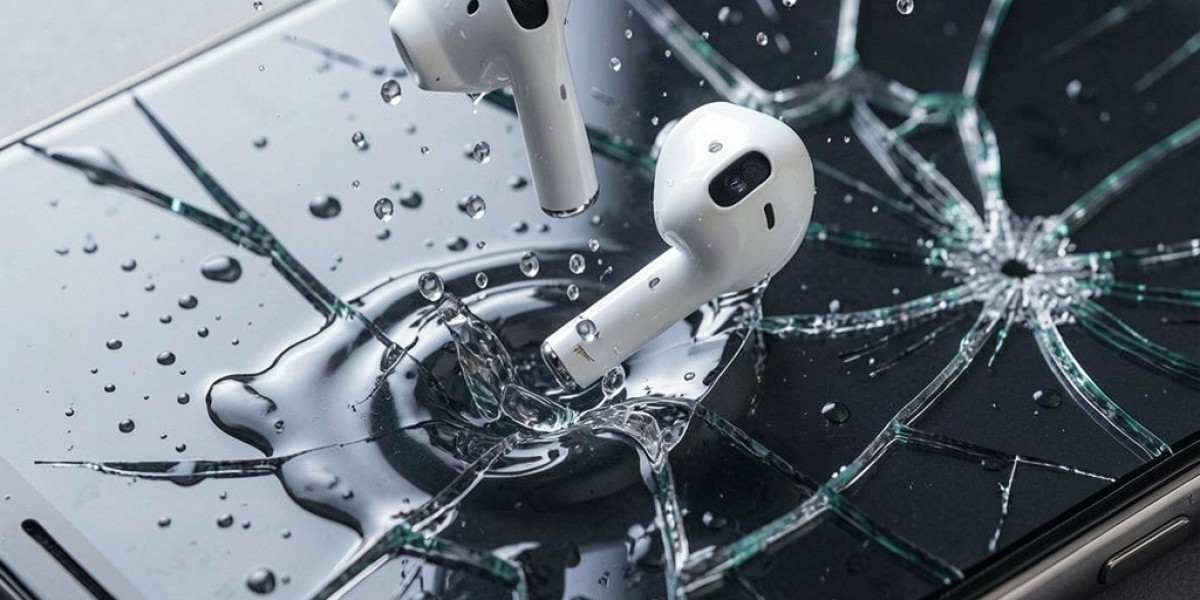

Apple AirPods have become an essential accessory for millions of users who enjoy wireless convenience, premium sound quality, and seamless connectivity. Whether you use them for listening to music, attending online meetings, making phone calls, or exercising, AirPods are built to simplify your daily routine. Unfortunately, accidents happen, and one of the most common is Dropped AirPods in Water. A brief moment of carelessness can leave you wondering whether your earbuds are permanently damaged or if they can still be saved.
If you've Dropped AirPods in Water, don't panic. While AirPods are designed with some level of water resistance, they are not waterproof. Exposure to water can affect internal components such as the speakers, microphones, battery, and charging circuits. The good news is that taking the right steps immediately after the accident can significantly improve the chances of recovery and help restore sound quality.
Many people unknowingly make the situation worse by charging wet AirPods, using a hair dryer, or trying unreliable home remedies. Instead, understanding how AirPods water damage occurs and following proven recovery techniques can protect your device from permanent failure.
At CellularPort, we provide quick and lasting repairs for smartphones, tablets, laptops, gaming consoles, and electronic accessories at affordable prices. Our technicians specialize in diagnosing AirPods water repair issues and restoring devices affected by liquid damage whenever possible.
This guide explains what happens when AirPods get wet, the immediate actions you should take, common mistakes to avoid, and why professional repair services are often the best option for restoring your AirPods.
Are AirPods Waterproof?
One of the biggest misconceptions is that AirPods are completely waterproof.
In reality, most AirPods models are only water-resistant.
Certain models, such as AirPods (3rd generation) and AirPods Pro, include an IPX4 water-resistance rating. This protects against sweat and light splashes during normal use, but it does not protect against complete submersion.
Water resistance can also decline over time due to:
- Daily wear and tear
- Accidental drops
- Aging seals
- Dust buildup
- Heat exposure
Even newer AirPods may experience AirPods water damage if they are dropped into water.
What Happens When AirPods Get Wet?
Each AirPod contains delicate electronic components packed into a very small housing.
These include:
- Lithium-ion battery
- Speaker drivers
- Bluetooth antenna
- Microphones
- Motion sensors
- Internal circuit boards
When moisture enters these components, it can cause:
- Electrical short circuits
- Distorted sound
- Charging failures
- Battery problems
- Bluetooth connectivity issues
- Sensor malfunctions
The charging case is equally vulnerable. AirPods charging case water damage may prevent your earbuds from charging properly, even if the earbuds themselves appear to function.
Some problems appear immediately, while others develop gradually as corrosion spreads inside the device.
The First Steps After Water Exposure
Taking the correct actions immediately can greatly improve the chances of saving your AirPods.
Remove Them From the Water
Retrieve your AirPods as quickly as possible.
The longer they remain submerged, the greater the risk of internal damage.
Handle them carefully without squeezing or pressing unnecessary buttons.
Disconnect Bluetooth
If your AirPods are still connected to your phone or tablet, disconnect them immediately.
Keeping electronics active while moisture is present increases the likelihood of electrical damage.
Dry the Exterior
Use a clean microfiber cloth to gently remove visible moisture.
Pay close attention to:
- Speaker mesh
- Charging contacts
- Microphone openings
- Charging case
Avoid paper towels that may leave lint behind.
Allow Water to Drain Naturally
Hold the AirPods with the speaker openings facing downward.
Tilt them gently to encourage trapped water to escape.
Avoid vigorous shaking because it may force moisture deeper into sensitive internal components.
Leave Them to Air Dry
Place both the AirPods and charging case in a dry, well-ventilated area.
Leave the charging case open to improve airflow.
Natural drying is much safer than exposing the device to direct heat.
Common Causes of AirPods Water Damage
Many people assume AirPods only get wet while swimming.
In reality, water damage often happens during everyday activities.
Common causes include:
- Dropping AirPods into a sink
- Washing them with clothes
- Heavy rainfall
- Water bottle leaks
- Bathroom accidents
- Kitchen spills
- Sweat during workouts
- Falling into puddles
Any amount of moisture entering the speaker openings can potentially lead to internal corrosion.
Mistakes That Can Make Water Damage Worse
Knowing what not to do is just as important as knowing the correct recovery steps.
Charging Wet AirPods
This is one of the biggest mistakes.
Electricity passing through damp internal components can cause:
- Permanent short circuits
- Battery damage
- Charging failures
- Circuit board damage
Always ensure your AirPods are completely dry before placing them inside the charging case.
Using a Hair Dryer
Heat can permanently damage:
- Battery cells
- Plastic housing
- Internal adhesive
- Speaker components
Powerful airflow may also push moisture deeper into the earbuds.
Allowing the AirPods to dry naturally is much safer.
Leaving Them in Direct Sunlight
Although sunlight seems helpful, excessive heat can warp internal components and shorten battery life.
Instead, keep your AirPods in a cool, shaded location while drying.
Continuing to Use Wet AirPods
If your AirPods still produce sound immediately after water exposure, do not assume everything is fine.
Using wet electronics can worsen internal corrosion and increase long-term damage.
Allow them to dry completely before testing.
Warning Signs of Water Damage
Water damage doesn't always become obvious immediately.
Sometimes symptoms appear several hours or even days later.
Watch for these warning signs.
Distorted Audio
Crackling, buzzing, or muffled sound usually indicates moisture affecting the speaker components.
Uneven Volume
If one AirPod sounds quieter than the other, trapped moisture or internal corrosion may be affecting the speaker.
Charging Problems
AirPods charging case water damage may cause:
- Slow charging
- Charging interruptions
- AirPods not charging
- Charging case failing to recognize the earbuds
Bluetooth Connection Issues
Water exposure may interfere with wireless communication, leading to:
- Pairing failures
- Random disconnections
- Reduced Bluetooth range
- Delayed audio playback
Faster Battery Drain
Moisture affecting internal circuitry often causes unusual battery behavior.
If your wet AirPods suddenly lose battery much faster than before, internal damage may already be developing.
Can AirPods Recover After Water Exposure?
The answer depends on several factors.
Recovery is more likely if:
- The AirPods were removed from the water immediately.
- They were exposed to clean water rather than saltwater or sugary drinks.
- They were allowed to dry completely before charging.
- Internal components did not suffer electrical short circuits.
- Corrosion had little time to develop.
Fresh water typically causes less damage than seawater, chlorinated pool water, coffee, or soft drinks, all of which leave behind corrosive residues.
Even if your AirPods begin working again after drying, hidden moisture can continue causing corrosion over time. This is why it's important to monitor their performance closely. If you experience AirPods sound problems, charging failures, Bluetooth issues, or reduced battery life, seeking a professional AirPods repair service can help identify hidden liquid damage before it leads to permanent failure.