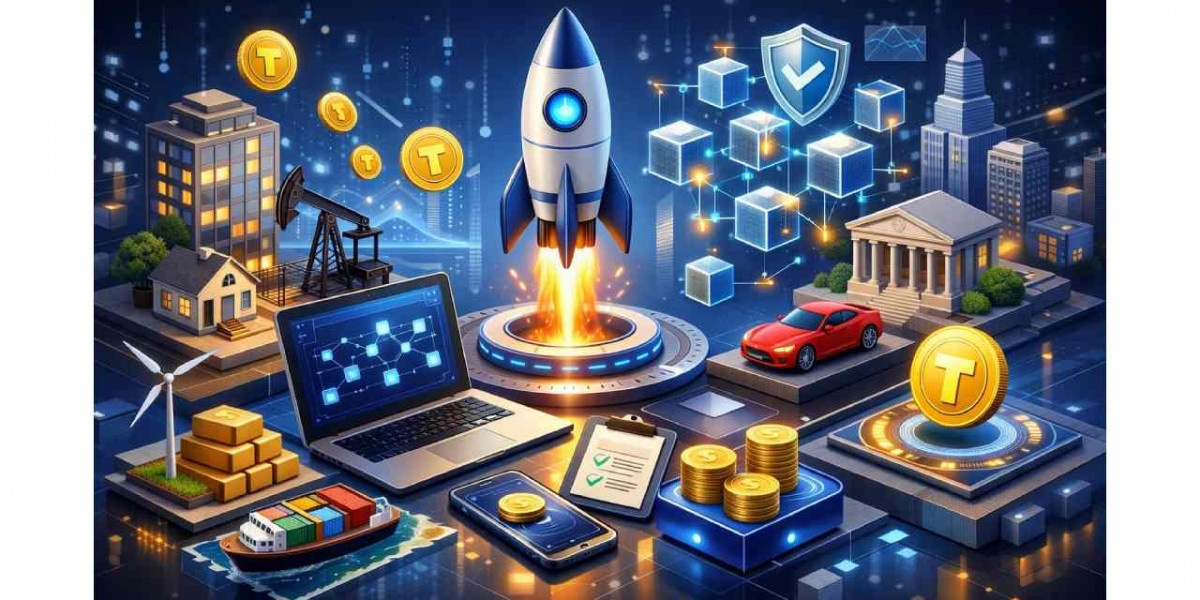

Real property has traditionally been one of the world's most valuable investment assets, yet it has also been one of the least liquid. Buying, selling, and managing real estate often involves substantial capital, lengthy legal procedures, multiple intermediaries, and geographic limitations. These challenges have restricted access to property investment for many individuals and businesses.
Real property tokenization is changing this landscape by converting ownership rights in physical real estate into blockchain-based digital tokens. These tokens represent fractional or full ownership of residential, commercial, industrial, or land assets, making real estate investments more accessible, transparent, and efficient.
Across global markets, governments, real estate developers, investment firms, and financial institutions are exploring tokenization to improve capital formation, expand investor participation, and modernize property transactions. As blockchain adoption accelerates, real property tokenization is creating new investment models and transforming the way assets are managed worldwide.
What Is Real Property Tokenization?
Real property tokenization is the process of converting ownership rights or economic interests in real estate into digital tokens recorded on a blockchain.
The underlying assets may include:
- Residential properties
- Commercial office buildings
- Shopping malls
- Hotels and resorts
- Industrial warehouses
- Agricultural land
- Mixed-use developments
- Rental properties
- Infrastructure-related real estate
Each token represents a defined ownership share or financial interest in the property. Smart contracts automate ownership transfers, income distribution, compliance, and transaction settlement while maintaining transparent ownership records.
How Real Property Tokenization Works
The tokenization process typically follows several structured stages.
1. Property Selection
A residential, commercial, or industrial property is selected for tokenization.
2. Legal Structuring
The property is held through a legally compliant structure, such as a Special Purpose Vehicle (SPV), trust, or regulated investment entity.
3. Property Valuation
Independent valuation experts determine the market value of the asset.
4. Digital Token Issuance
Blockchain-based tokens are created to represent ownership interests in the property.
5. Investor Verification
Qualified investors complete KYC and AML procedures before purchasing tokens.
6. Ongoing Property Management
Smart contracts automate rental income distribution, ownership updates, and secondary trading where regulations permit.
Top Use Cases of Real Property Tokenization Across Global Markets
1. Fractional Ownership of Residential Real Estate
One of the most significant applications of property tokenization is enabling fractional ownership of residential properties. Instead of purchasing an entire apartment or house, investors can acquire digital tokens representing smaller ownership stakes. This lowers capital requirements and makes premium housing markets accessible to a much broader investor base. Developers also benefit by raising capital from multiple investors rather than relying solely on institutional funding.
2. Commercial Real Estate Investment
Office buildings, shopping centers, business parks, and retail complexes require substantial investment capital. Tokenization enables businesses to divide commercial assets into digital ownership units, allowing investors to participate with significantly lower investment thresholds. This expands funding opportunities while improving liquidity in commercial real estate markets.
3. Rental Income Distribution
Income-generating properties can distribute rental revenue automatically through blockchain-based smart contracts. Each token holder receives rental income proportional to their ownership share, eliminating manual calculations and reducing administrative costs. This creates a more transparent and efficient rental income distribution model.
4. Real Estate Investment Funds and Tokenized REITs
Real Estate Investment Trusts (REITs) and private real estate funds are increasingly exploring tokenization. Instead of issuing traditional fund shares, investment managers can issue blockchain-based digital tokens representing fund ownership. Investors gain exposure to diversified property portfolios while benefiting from enhanced transparency and potential secondary market liquidity.
5. Luxury Property Investment
Luxury villas, premium apartments, hotels, and high-end commercial developments often remain inaccessible to average investors. Tokenization enables fractional ownership of luxury assets, allowing multiple investors to participate in prestigious real estate markets with lower capital commitments.
6. Land and Agricultural Property Tokenization
Agricultural land, development sites, and vacant land represent another important use case. Developers can raise capital for future construction projects by tokenizing undeveloped land, while agricultural businesses can attract investors interested in farmland ownership and agricultural production.
7. Cross-Border Real Estate Investment
Traditional international property investment involves complex legal procedures, foreign exchange challenges, and multiple intermediaries. Tokenized real estate simplifies cross-border investment by allowing eligible investors to purchase blockchain-based ownership interests through compliant digital platforms. This significantly expands global investor participation.
8. Real Estate Crowdfunding Platforms
Property developers increasingly use tokenization to build blockchain-based crowdfunding platforms. Instead of seeking financing from a limited number of institutional investors, developers can raise capital from thousands of qualified investors worldwide through fractional ownership tokens. This accelerates fundraising while increasing project accessibility.
9. Affordable Housing Development
Governments and private developers can tokenize affordable housing projects to attract institutional and impact-focused investors. Fractional investment structures increase funding opportunities for residential developments while supporting broader housing initiatives. This approach can help bridge financing gaps in underserved housing markets.
10. Hospitality and Mixed-Use Developments
Hotels, resorts, serviced apartments, and mixed-use developments generate multiple revenue streams, including rental income, hospitality operations, and commercial leasing. Tokenization enables investors to participate in these diversified income models while simplifying ownership management and distribution.
11. Industrial and Logistics Properties
Warehouses, logistics centers, manufacturing facilities, and distribution hubs have become increasingly valuable due to global e-commerce growth. Tokenization enables businesses to raise capital for industrial developments while offering investors exposure to logistics-focused real estate portfolios.
12. Infrastructure-Linked Real Estate Projects
Large infrastructure projects often include valuable real estate components such as transportation hubs, business districts, and utility-related developments. Tokenization enables governments and infrastructure developers to diversify funding sources while increasing transparency for investors.
Business Benefits of Real Property Tokenization
Real property tokenization delivers significant advantages for developers, asset managers, and investors.
Improved Liquidity
Traditionally illiquid real estate assets become more easily transferable through digital ownership tokens.
Broader Investor Access
Fractional ownership lowers investment barriers and expands participation.
Lower Transaction Costs
Blockchain reduces administrative expenses by automating ownership transfers, settlement, and record-keeping.
Global Capital Formation
Property issuers gain access to international investor networks beyond traditional financial markets.
Enhanced Transparency
Blockchain provides immutable ownership records, transaction histories, and income distributions.
Automated Operations
Smart contracts streamline dividend payments, rental income allocation, compliance, and governance.
Challenges in Real Property Tokenization
Despite its significant potential, property tokenization still faces important challenges.
Regulatory Compliance
Property and securities regulations vary significantly across jurisdictions.
Legal Ownership Recognition
Digital ownership must remain legally enforceable under local property laws.
Technology Integration
Real estate businesses must integrate blockchain platforms with existing property management and financial systems.
Cybersecurity
Smart contract security and digital asset protection remain critical priorities.
Secondary Market Development
Liquidity depends on active secondary marketplaces and institutional participation.
Future Outlook of Real Property Tokenization
Real property tokenization is expected to play an increasingly important role in the evolution of global real estate markets.
Institutional investors are exploring tokenized commercial properties, governments are evaluating blockchain-enabled land registries, and developers are adopting digital fundraising models for new construction projects.
Future innovations may include:
- AI-powered property valuation
- Blockchain-based digital land registries
- Tokenized mortgage financing
- Decentralized real estate investment platforms
- Integration with Central Bank Digital Currencies (CBDCs)
- Cross-chain real estate marketplaces
As regulatory frameworks mature and blockchain infrastructure improves, real property tokenization is likely to become a mainstream approach to property investment and asset management.
Conclusion
Real property tokenization is redefining how real estate is owned, financed, and traded across global markets. By converting physical properties into blockchain-based digital assets, it improves liquidity, expands investor participation, enhances transparency, and simplifies property management.
From residential housing and commercial buildings to industrial facilities, agricultural land, and hospitality assets, tokenization is creating innovative investment opportunities for businesses and investors alike. While regulatory and technological challenges remain, the long-term outlook is highly promising.
As digital finance and blockchain technology continue to reshape the global economy, real property tokenization is positioned to become a cornerstone of the next generation of real estate investment and capital formation.