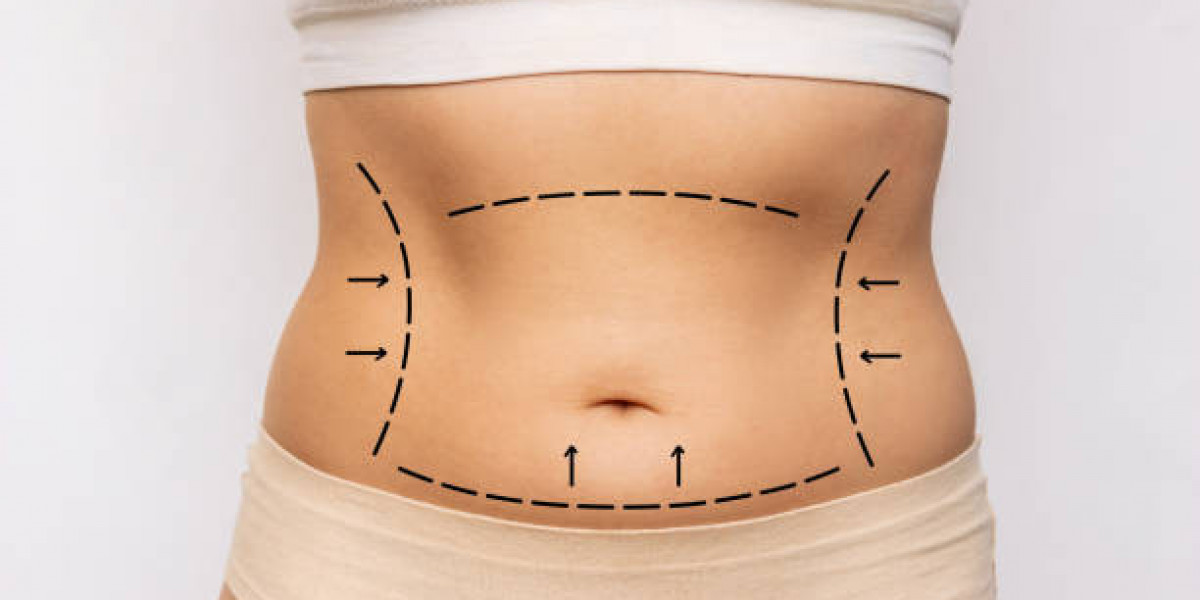

Liposuction is a cosmetic procedure that helps remove stubborn fat deposits from selected areas of the body and create more defined contours. Among the available options, traditional liposuction and laser-assisted liposuction are two techniques patients often compare. Both aim to reduce localized fat, but they use different methods to prepare and remove fatty tissue. People researching Best Liposuction in Riyadh may wonder which technique offers better results, a smoother recovery, or improved skin appearance. Understanding how each procedure works can help patients make an informed decision.
Traditional liposuction uses a thin surgical tube called a cannula to loosen and remove fat through suction, while laser-assisted liposuction uses laser energy to help disrupt fat before it is removed. Some laser systems may also heat surrounding tissues, although the degree of skin tightening varies. When considering Best Liposuction in Riyadh, it is important to understand that neither method is automatically better for every patient. The most appropriate choice depends on body anatomy, treatment goals, skin elasticity, medical history, and the surgeon's assessment.
What Is Traditional Liposuction?
Traditional liposuction, also known as suction-assisted liposuction, is an established surgical method for removing localized fat. During the procedure, the surgeon makes small incisions near the treatment area and inserts a cannula into the fatty tissue. The cannula is moved carefully to loosen fat, which is then removed using a suction device.
This technique can be used on several areas, including the abdomen, thighs, hips, arms, back, and other regions with suitable fat deposits. The surgeon controls the removal process to improve body proportions while aiming to maintain smooth transitions between treated and untreated areas.
Benefits of Traditional Liposuction
Direct fat removal: Fat is physically removed from the targeted area through suction.
Versatile treatment areas: It can be used for various body regions, depending on the patient's suitability.
Established technique: It has a long history of use in surgical body contouring.
Controlled contouring: The surgeon can shape selected areas according to the patient's anatomy and goals.
Limitations of Traditional Liposuction
Traditional liposuction involves surgical incisions and can cause swelling, bruising, soreness, and temporary changes in skin sensation. It may not address significant loose skin, and results depend on the surgeon's technique and the patient's skin elasticity. Recovery requirements vary according to the extent of treatment.
What Is Laser Liposuction?
Laser-assisted liposuction uses laser energy delivered through a small fiber inserted beneath the skin. The energy helps disrupt fat cells, making the fat easier to remove through a cannula. Depending on the device and treatment plan, some loosened fat may also be processed naturally by the body rather than removed through suction.
Certain laser-assisted systems produce heat that may stimulate collagen activity in the surrounding tissues. This can contribute to some skin contraction in selected patients, but the effect is variable and should not be considered a guaranteed skin-tightening result.
Benefits of Laser Liposuction
Laser-assisted fat disruption: Energy helps loosen targeted fat before removal.
Potential tissue contraction: Some systems may support a degree of skin tightening.
Small access incisions: The laser fiber and cannula are introduced through small openings.
Targeted treatment: It may be considered for selected areas where localized fat is present.
Limitations of Laser Liposuction
Laser-assisted liposuction still involves a surgical procedure and does not eliminate recovery time. It may cause swelling, bruising, discomfort, and temporary changes in sensation. The use of laser energy also introduces a risk of heat-related injury, including burns, if the technique is not performed carefully.
Traditional Liposuction vs Laser Liposuction: Key Differences
Fat Removal Method
Traditional liposuction uses mechanical movement of a cannula and suction to remove fat. Laser-assisted liposuction first uses laser energy to disrupt fat, which may then be removed through suction. The main difference is how the fat is prepared for removal.
Skin Tightening
Traditional liposuction primarily focuses on removing fat and does not directly provide significant skin tightening. Laser-assisted techniques may encourage some tissue contraction through heating, but the result depends on the device, skin quality, and individual response. Neither approach reliably corrects substantial loose skin.
Treatment Areas
Both techniques may be used on selected areas such as the abdomen, thighs, arms, hips, and back. The suitability of each method depends on the amount and type of fat, skin condition, and the surgeon's experience.
Recovery
Both methods require recovery because they involve surgical fat removal. Swelling, bruising, tenderness, and temporary activity restrictions may occur with either technique. Recovery time depends more on the extent of surgery, number of areas treated, and individual healing than on the technique's name alone.
Possible Risks
Both procedures carry risks such as infection, bleeding, fluid accumulation, contour irregularities, scarring, and anesthesia-related complications. Laser-assisted treatment also has specific risks related to heat exposure, including burns and tissue injury. A qualified surgeon should explain the risks associated with the recommended approach.
Which Procedure Is Better for Removing Stubborn Fat?
There is no single technique that is best for everyone. Traditional liposuction may be appropriate when direct removal of localized fat is the main goal. Laser-assisted liposuction may be considered when the surgeon believes its additional energy-based approach is suitable for the treatment area and the patient's skin characteristics.
The best decision should be based on a physical examination rather than marketing claims about a particular technology. Patients should ask their surgeon about expected results, possible complications, recovery requirements, and whether the proposed method is appropriate for their individual needs.
Who Is a Suitable Candidate for Each Technique?
Candidates for either procedure are generally adults in good overall health who have localized fat deposits and are close to a stable, healthy weight. Good skin elasticity may help the treated area adapt to its new contours. Patients with significant loose skin may need to discuss other treatment options.
Liposuction is not a treatment for obesity or a substitute for healthy weight management. A medical consultation is necessary to review health conditions, medications, previous procedures, and personal expectations before surgery.
How Can You Maintain Results After Liposuction?
The fat cells removed during liposuction do not grow back, but remaining fat cells can enlarge if a person gains weight. Maintaining a stable weight can help preserve body contours. Balanced nutrition, regular physical activity after medical clearance, and consistent lifestyle habits support long-term results.
Patients should also attend follow-up appointments and follow postoperative instructions, including guidance on compression garments, wound care, and when to resume exercise.
Book a Liposuction Consultation at Royal Clinic Saudia
If you are comparing traditional and laser-assisted liposuction, a professional consultation can help you understand the differences and identify a suitable approach. Royal Clinic Saudia can discuss your body-contouring goals, explain available options, and guide you through an individual medical assessment.
FAQs:
Is laser liposuction more effective than traditional liposuction?
Not necessarily. Both methods can remove localized fat, but their suitability depends on the patient's anatomy, treatment goals, and the surgeon's assessment.
Does laser liposuction tighten loose skin?
Some laser-assisted systems may produce a degree of tissue contraction, but results vary. Significant loose skin may require a different treatment approach.
Which procedure has a shorter recovery time?
Recovery varies according to the extent of treatment, areas involved, and individual healing. Neither technique guarantees a shorter recovery for every patient.
Can traditional and laser liposuction be used on the same body area?
Both methods can be used on several overlapping body areas. The surgeon determines which approach is appropriate based on the fat distribution, skin quality, and treatment plan.