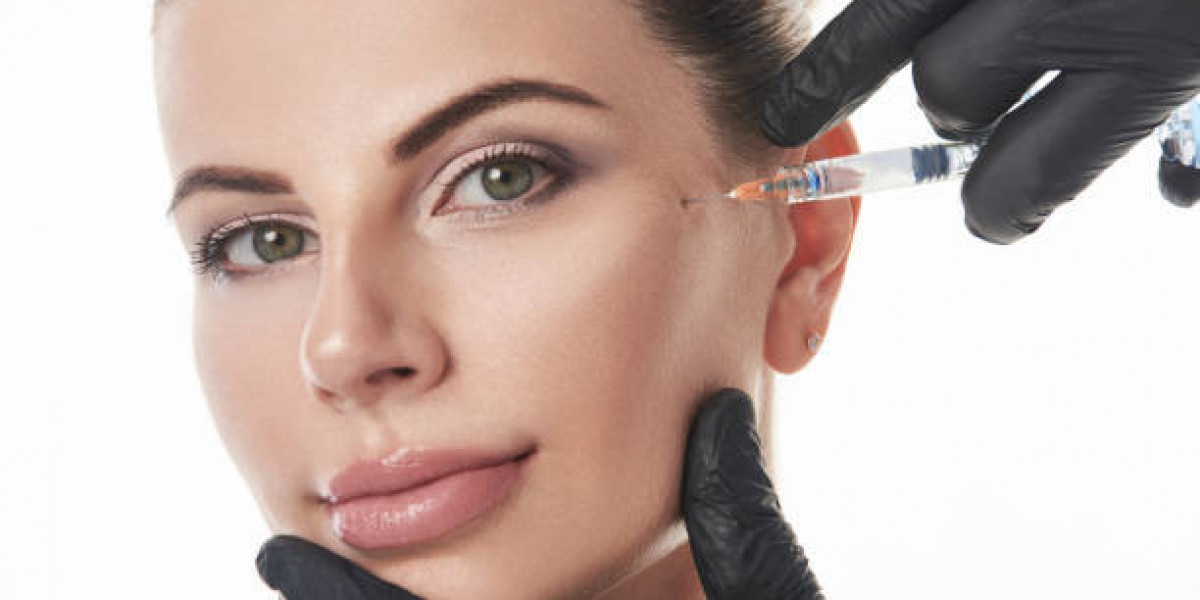

Healthy hair growth depends on active hair follicles, a balanced scalp environment, proper nutrition, and normal hormonal activity. However, genetics, aging, stress, nutritional deficiencies, and certain medical conditions can affect the hair growth cycle, leading to thinning and excessive shedding. As regenerative medicine continues to develop, researchers are exploring new ways to understand follicle health and hair restoration. One area receiving attention is Stem Cell Therapy in Riyadh, which investigates how stem cells and their biological signals may influence the natural processes involved in hair growth.
Stem cells have the ability to develop into certain specialized cell types and communicate with surrounding tissues through biological signals. Researchers are studying whether Stem Cell Therapy in Riyadh could support hair follicle activity, cellular communication, and scalp tissue repair. Although early research has shown potential, many hair restoration applications remain experimental, and consistent hair regrowth through these approaches has not been firmly established.
What Is Natural Hair Growth?
Natural hair growth is a continuous biological process controlled by hair follicles located within the skin. Each follicle produces a hair strand and goes through different stages during its growth cycle. These stages determine how long hair grows, when it stops growing, and when it eventually sheds.
The three main stages include:
Anagen phase: This is the active growth stage during which hair follicles produce new hair strands.
Catagen phase: During this short transitional stage, the follicle gradually reduces its activity.
Telogen phase: This is the resting stage, after which the existing hair may shed and a new growth cycle can begin.
Healthy hair growth depends on the normal functioning of these stages. When the cycle is disrupted, hair may become thinner or shed more frequently.
How Might Stem Cells Support Natural Hair Growth?
Researchers are studying how stem cells and the substances they release may influence the biological environment surrounding hair follicles. Several mechanisms are being explored.
Supporting Hair Follicle Activity
Hair follicles contain specialized cells that help produce and maintain hair strands. Their activity can be affected by genetics, hormones, aging, and other biological factors.
Scientists are investigating whether stem cell-related signals could influence follicle activity and the cells responsible for hair production. These findings may help advance regenerative hair research, but they do not prove that stem cell treatments can reactivate every weakened follicle.
Influencing Cellular Communication
Cells communicate through signaling molecules that regulate different biological activities. Some stem cells release substances that may influence the behavior of nearby cells.
Researchers are examining whether these signals could affect the environment surrounding hair follicles and support processes associated with the hair growth cycle. The clinical importance of these effects for treating common hair loss conditions is still being studied.
Supporting Scalp Tissue Health
A healthy scalp provides the environment needed for normal follicle function. Skin cells, connective tissue, and blood vessels all contribute to maintaining scalp health.
Some regenerative research explores whether stem cell-related approaches could influence tissue repair and cellular activity. However, more clinical evidence is needed to determine whether these effects can produce meaningful improvements in hair growth.
What Hair Concerns Are Being Studied?
Stem cell research covers several hair-related conditions, although the level of scientific evidence varies.
Pattern Hair Loss
Pattern hair loss is commonly associated with genetics and hormonal sensitivity. It can cause gradual thinning around the temples, hairline, and crown.
Researchers are investigating whether regenerative approaches could influence follicle-related cellular activity. However, stem cell therapy is not currently an established standard treatment for pattern hair loss.
Thinning Hair
Hair thinning may develop when individual strands become finer or the natural growth cycle changes. Possible causes include nutritional deficiencies, hormonal changes, stress, and medical conditions.
Identifying the underlying cause is essential before choosing a treatment. Regenerative approaches are still being investigated and should not be considered guaranteed solutions for thinning hair.
Hair Loss Related to Scalp Damage
Certain injuries and scalp conditions can affect hair follicles and their surrounding tissues. Researchers are exploring whether stem cell-related approaches may contribute to tissue repair. However, hair regrowth may be difficult when follicles have been permanently damaged or destroyed.
What Are the Potential Benefits Being Investigated?
Researchers are exploring several possible ways that regenerative medicine may contribute to future hair restoration treatments.
Follicle support: Investigating whether biological signals can influence the cells involved in hair production.
Scalp health: Studying how regenerative approaches may affect the surrounding tissue environment.
Cellular activity: Exploring how communication between cells contributes to follicle maintenance.
Tissue repair: Examining whether certain cell-based approaches could support repair in damaged tissues.
These are research areas rather than guaranteed treatment outcomes. More high-quality clinical studies are necessary to establish whether stem cell-based approaches can provide reliable benefits for people experiencing hair loss.
What Factors Affect Natural Hair Growth?
Hair growth is influenced by several internal and external factors. Genetics and hormonal activity play important roles, while nutrition, stress, sleep, age, and scalp health can also affect hair condition.
A balanced diet provides nutrients needed for normal hair production. Adequate sleep, gentle hair care, and management of underlying health conditions can also support overall hair health. If hair loss is sudden, severe, or accompanied by scalp symptoms, a medical assessment can help identify the cause.
Is Stem Cell Therapy a Proven Hair Growth Treatment?
Stem cell therapy for hair restoration is an evolving area of regenerative medicine. Laboratory research and early clinical investigations have explored its potential, but current evidence is not sufficient to establish it as a proven routine treatment for common hair loss conditions.
It is also important to understand that different procedures marketed as stem cell treatments may use different cell sources or cell-derived products. Their safety and effectiveness cannot be assumed to be the same. Potential risks may include infection, inflammation, immune reactions, and complications related to the product or delivery method.
Anyone considering Stem Cell Therapy in Riyadh should ask about the exact treatment, regulatory status, clinical evidence, possible side effects, and established alternatives before making a decision.
How Can You Make an Informed Hair Restoration Decision?
The first step is identifying why hair loss is occurring. A qualified healthcare professional may evaluate your scalp, medical history, hair loss pattern, and possible nutritional or hormonal factors.
Depending on the diagnosis, established treatment options may include approved medications, suitable scalp treatments, or hair transplantation for appropriate candidates. Understanding the benefits and limitations of each approach can help you choose a treatment based on realistic expectations rather than promotional claims.
Book Your Appointment at Royal Clinic Saudia
If you are concerned about hair thinning or want to learn more about hair restoration and regenerative medicine, Royal Clinic Saudia can be a starting point for discussing your concerns with qualified professionals. Book an appointment to understand possible causes, explore available options, and receive guidance based on your individual hair condition.
FAQs:
Can stem cell therapy support natural hair growth?
Researchers are studying whether stem cells and their biological signals may influence hair follicle activity. However, reliable hair regrowth from cosmetic stem cell treatments has not yet been firmly established.
Can stem cell therapy reactivate inactive hair follicles?
Some research explores whether regenerative signals may influence follicle-related cells. However, there is insufficient evidence to confirm that stem cell treatments can consistently reactivate inactive or permanently damaged follicles.
Does stem cell therapy work for pattern hair loss?
Stem cell-based approaches are still being investigated for pattern hair loss. They are not currently an established standard treatment, and suitability depends on the individual's condition and the specific procedure.
Is stem cell therapy safe for natural hair growth?
Safety depends on the cell source, preparation, delivery method, and clinical setting. Since many hair restoration applications remain experimental, patients should review the available evidence and potential risks with a qualified professional.