
Introduction
Electrical safety is essential in residential, commercial, and industrial buildings. A miniature circuit breaker (MCB) helps protect electrical circuits against overloads and short circuits, while MCCB breakers are commonly used in systems that require higher current ratings and greater protection capabilities. Choosing the right breaker can help protect wiring, equipment, and electrical installations from damage.
Whether you are planning a new installation or upgrading an existing distribution panel, understanding circuit breaker types and specifications is important. Jawad Electric provides a useful starting point for exploring electrical protection products and learning how MCB and MCCB breakers serve different applications.
What Is a Miniature Circuit Breaker?
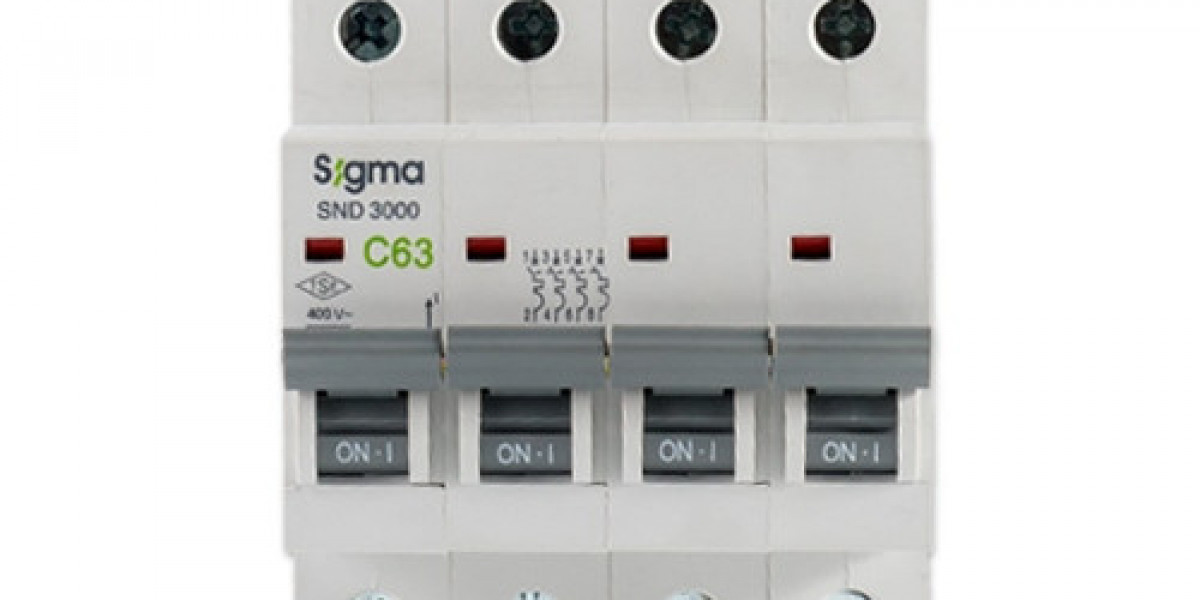
A miniature circuit breaker is an automatically operated electrical switch designed to interrupt current when an overload or short circuit occurs. Unlike a traditional fuse, an MCB can generally be reset after the fault has been identified and corrected.
MCBs are commonly installed in residential distribution boards, small offices, shops, and other low-voltage electrical systems. Their compact design makes them suitable for protecting individual circuits.
Key Features of MCBs
Compact design for distribution boards
Protection against overloads and short circuits
Thermal and magnetic tripping mechanisms
Different current ratings and pole configurations
Resettable operation after a fault is resolved
The correct MCB depends on the circuit's electrical load, cable capacity, voltage, and required breaking capacity.
What Are MCCB Breakers?
MCCB stands for Molded Case Circuit Breaker. These devices provide overload and short-circuit protection for electrical systems that may require higher current ratings or greater fault-interruption capacity than typical miniature circuit breakers.
MCCB breakers are commonly used in commercial buildings, factories, industrial machinery, and larger electrical distribution panels. Depending on the model, they may also offer adjustable protection settings.
Common Applications of MCCB Breakers
MCCBs may be suitable for:
Commercial building distribution systems
Industrial electrical panels
Heavy machinery and equipment
Main electrical feeders
Larger motors and power distribution systems
Certain solar and power installations, when correctly specified
The required breaker must match the electrical system and its expected fault conditions. Professional selection is particularly important for high-current installations.
MCB vs. MCCB: Key Differences
Although both devices protect electrical circuits, their typical applications and capabilities differ.
Feature | MCB | MCCB |
|---|---|---|
Full form | Miniature Circuit Breaker | Molded Case Circuit Breaker |
Typical application | Residential and smaller circuits | Commercial and industrial systems |
Current capacity | Generally lower | Generally higher |
Trip settings | Usually fixed | Often adjustable, depending on model |
Physical design | Compact | Larger, molded-case construction |
Cost | Generally lower | Generally higher |
Installation | Commonly DIN-rail mounted | Commonly installed in electrical panels |
These are general differences. Actual current ratings, breaking capacities, and protection features vary by manufacturer and model.
How Circuit Breakers Protect Electrical Systems
Electrical circuits can experience overloads when connected equipment draws more current than the circuit can safely carry. Short circuits can cause a sudden and substantial increase in current, creating risks of equipment damage and fire.
MCBs and MCCBs use protective mechanisms to disconnect the circuit when specified fault conditions occur. This interruption helps limit damage, provided the breaker is correctly selected, installed, and coordinated with the rest of the electrical system.
However, a standard MCB or MCCB does not automatically provide every form of electrical protection. Additional devices may be required for earth-leakage protection, surge protection, or other hazards.
Factors to Consider When Choosing a Circuit Breaker
Selecting the right breaker involves more than matching an ampere rating. The following factors should be assessed before purchasing.
Current rating: The breaker must suit the intended load and circuit design.
Breaking capacity: It must safely interrupt the prospective short-circuit current at the installation point.
Voltage rating: The device must be suitable for the system voltage and AC or DC application.
Number of poles: Choose a configuration appropriate for the electrical system.
Trip characteristics: Protection settings must match the load and installation requirements.
Product quality: Check manufacturer specifications, applicable standards, and product authenticity.
Installation conditions: Consider the panel, ambient temperature, and operating environment.
A qualified electrician or electrical engineer should verify the selection, especially for industrial and high-current applications.
Why Quality Matters in Electrical Protection
Using an unsuitable or poor-quality circuit breaker can leave an electrical installation inadequately protected. A breaker that does not match the system's fault level or cable requirements may fail to provide the intended protection.
When comparing products, review the technical datasheet, rated voltage, current rating, breaking capacity, and applicable standards. Purchasing from a reliable electrical supplier can also help reduce the risk of receiving incorrectly specified or counterfeit equipment.
Choosing MCB and MCCB Breakers with Jawad Electric
Jawad Electric can be considered when exploring miniature circuit breakers, MCCB breakers, and related electrical protection products. Before selecting a product, identify the requirements of your installation and compare the specifications of suitable models.
For residential wiring, a properly rated MCB may be appropriate for individual circuits. Larger commercial and industrial installations may require MCCBs with higher current ratings or adjustable trip settings. The final selection should always follow the electrical design and relevant safety requirements.
Frequently Asked Questions
1. What is the main purpose of a miniature circuit breaker?
An MCB protects electrical circuits against overloads and short circuits by automatically disconnecting the supply when specified fault conditions occur.
2. What is the difference between MCB and MCCB breakers?
MCBs are commonly used for lower-current circuits in homes and small commercial settings. MCCBs are generally designed for higher-current applications and may offer adjustable protection settings.
3. Can an MCCB be used in a residential building?
An MCCB may be suitable for a residential building's main supply or another specific application if the electrical design requires it. A qualified professional should determine the appropriate type and rating.
4. How do I choose the right circuit breaker?
Consider the load current, cable capacity, system voltage, breaking capacity, number of poles, and installation conditions. Consult a qualified electrician or electrical engineer to verify the selection.
Conclusion
A miniature circuit breaker and MCCB breakers both play important roles in electrical safety, but they are designed for different applications. Understanding their ratings, protective functions, and installation requirements helps homeowners, contractors, and businesses make better-informed decisions.
When exploring electrical protection products, Jawad Electric can be considered as a starting point for researching suitable options. Prioritize correct specifications, reliable products, and professional installation to help maintain a safe and dependable electrical system.