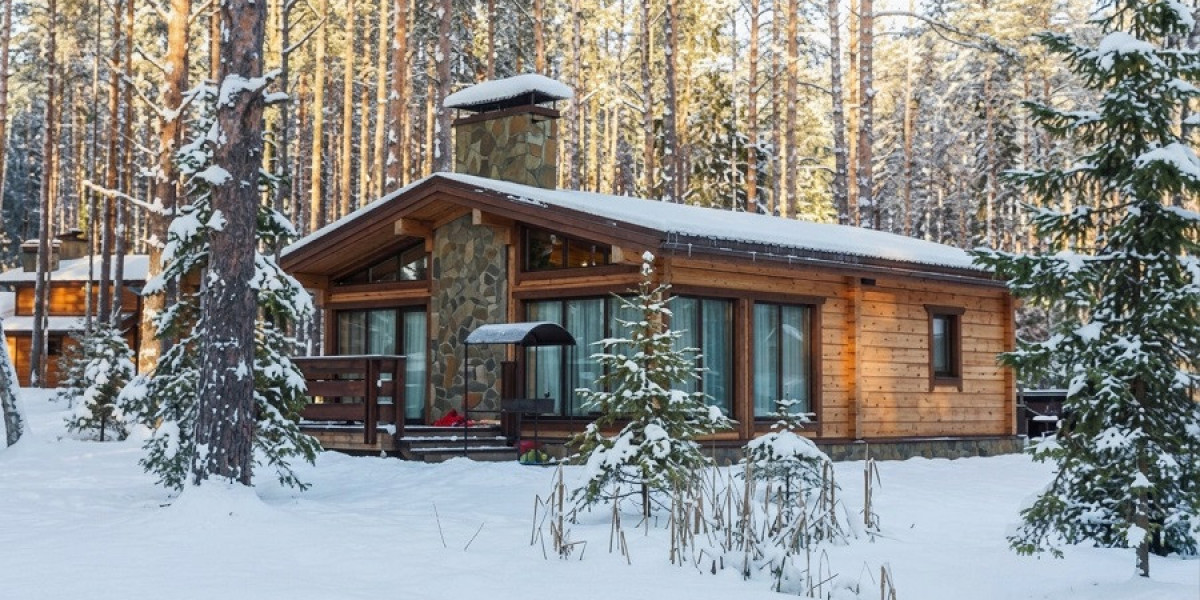

A wooden house has a natural charm that works well in snowy landscapes, mountain settings, and rural neighborhoods. Its roof plays an important role in protecting the timber structure against snow, ice, freezing temperatures, and moisture.
Choosing suitable roofing options requires attention to more than appearance. The roof must handle local snowfall, direct water away from vulnerable areas, and limit heat loss during winter. Its weight, insulation, ventilation, and maintenance needs also affect long-term performance.
Homeowners can choose between several materials, including metal, asphalt shingles, slate, and wood shakes. Each option has different strengths, costs, and installation requirements, so the right choice depends on the building design and local weather conditions.
Why Does Roof Selection Matter for a Wooden House in Winter?
Timber buildings respond to moisture and temperature changes. When water enters the roof assembly, it can affect roof decking, rafters, insulation, and interior finishes. Repeated dampness may also encourage wood decay.
Snow creates another challenge. Heavy accumulation adds weight, while melting snow can refreeze near roof edges and form ice dams. These dams may prevent water from draining properly, allowing it to move beneath the roofing material.
A suitable roof should address several concerns:
Snow and ice management based on the local climate.
Reliable waterproofing around joints and roof penetrations.
Insulation that limits heat escaping through the roof.
Ventilation that helps control moisture within the roof assembly.
Structural support for the roofing material and expected snow loads.
The roof's design matters just as much as its surface material. A durable covering cannot compensate for inadequate structural support or poorly managed moisture.
What Roofing Options Work Best for Wooden Houses in Cold Climates?
Different materials suit different roof shapes and budgets. The following options can work well when they are installed as part of a complete roofing system designed for the local climate.
1. Standing-Seam Metal Roofing
Metal roofing is a popular choice for cabins and contemporary timber homes in regions with cold winters. Standing-seam panels have raised joints that help limit water entry when the system is correctly installed.
Smooth metal surfaces can also allow snow to slide off more readily than rougher roofing materials. This can reduce prolonged snow accumulation, although snow guards may be needed above entrances, walkways, and other areas where sliding snow could create a hazard.
Metal roofs are available in several finishes, including charcoal, dark green, brown, and muted gray. These shades pair well with natural timber siding.
Homeowners should check the panel system's suitability for local snow loads, the underlayment requirements, and the need for snow-retention devices. Metal roofing can also transmit sound, so suitable roof construction and insulation help maintain indoor comfort.
2. Asphalt Shingles
Asphalt shingles suit many wooden houses because they are widely available and come in a broad range of colors and styles. They can complement rustic cabins, traditional homes, and newer timber buildings.
In cold regions, the selected shingles must be rated for the expected weather conditions and installed according to the manufacturer's instructions. The roof deck, underlayment, flashing, and ventilation system all contribute to the finished roof's performance.
Ice-and-water protection may be required in vulnerable areas, especially near eaves, valleys, and other locations identified by local building requirements. Proper attic insulation can also reduce heat loss that contributes to ice dams.
Asphalt shingles may be a practical option for homeowners seeking a familiar roofing system with a range of price points. Their expected service life depends on the product, installation quality, exposure, and maintenance.
3. Slate Roofing
Slate creates a distinctive roof with natural texture and a long service life when the material and installation are suitable. Its understated appearance works well with timber houses that feature stone chimneys, natural wood siding, or traditional architectural details.
One important consideration is weight. Slate is substantially heavier than many other roofing materials, so the roof structure must be designed or assessed to support the covering along with expected snow loads.
Installation also requires experienced professionals because slate is a specialized roofing material. Repairs may require matching the existing pieces and using appropriate fastening methods.
Although slate can last for decades, its initial cost and structural requirements may make it less practical for some homes. A professional assessment helps determine if it suits the building.
4. Wood Shakes and Shingles
Wood shakes and shingles create a consistent natural appearance on a wooden house. Cedar and other suitable species have long been used for roofing, particularly on cabins and rustic homes.
Their main appeal is the way the roof blends with timber siding and forest surroundings. The texture also creates a softer appearance than metal or slate.
Cold weather alone does not determine whether wood roofing is suitable. Repeated moisture exposure, poor drying conditions, inadequate ventilation, and local fire requirements all need attention. Snow and ice can keep the roof wet for extended periods, so installation details and maintenance are especially important.
Homeowners should ask about the product's treatment, expected service life, fire rating, and maintenance schedule. Wood roofing may not be permitted or recommended in every location.
5. Synthetic Roofing Materials
Synthetic slate and other engineered roofing products can offer the appearance of natural materials with a different weight and maintenance profile. Some products are designed to resemble slate or wood shakes while using composite materials.
Their suitability depends on the product's tested performance, installation requirements, and approval for the local climate. Homeowners should review information about low-temperature performance, impact resistance, wind ratings, and snow-load considerations.
Synthetic products are not all alike. Their composition, warranty terms, and expected lifespan vary, so comparing product specifications is more useful than choosing based on appearance alone.
How Does Roof Slope Affect Snow and Ice?
Roof pitch influences how snow accumulates and how meltwater moves across the surface. Steeper roofs may allow some snow to slide off naturally, while lower-pitched roofs can retain snow for longer periods.
Neither shape is automatically suitable for every cold climate. A steep roof may release snow suddenly, creating risks near doors and paths. A low-slope roof requires careful drainage design and waterproofing because water must move toward drains rather than remain on the surface.
The roof shape should account for local snowfall, wind exposure, building design, and structural capacity. Valleys, dormers, skylights, and roof intersections also need special attention because snow and ice can collect around these features.
For a wooden house in a snowy region, the most effective roof design is one that manages snow loads and water movement safely rather than relying on slope alone.
What Roofing Insulation and Ventilation Suit Cold Climates?
A roof can have a durable outer covering and still experience winter problems if heat and moisture are not controlled. Warm indoor air can carry moisture into the roof assembly through gaps, while heat escaping from the home can warm the roof and contribute to uneven snowmelt.
When melted snow reaches a colder roof edge, it may refreeze. Repeated freezing and thawing can create an ice dam that blocks further drainage.
A well-planned roof assembly generally includes:
Adequate insulation: Helps reduce heat transfer between indoor spaces and the roof.
Air sealing: Limits warm, moist indoor air from entering the roof cavity.
Moisture control: Uses appropriate vapor-control layers for the climate and building design.
Suitable ventilation: Supports moisture management in roof assemblies designed for ventilation.
Protective underlayment: Adds another layer of defense against water in vulnerable areas.
The correct arrangement varies with the roof design and climate. Some roof assemblies use unvented construction, while others depend on a ventilated attic or roof space. A qualified building professional can identify a suitable approach for the house.
Which Roofing Colors Suit a Wooden House in a Snowy Setting?
Roof color affects the overall appearance of a timber home. Dark gray, charcoal, brown, and forest green often complement natural wood, while lighter gray can create a softer contemporary look.
The siding color is a useful starting point. Golden or honey-colored timber can pair well with charcoal roofing, while darker-stained wood may suit muted gray or brown. White trim can create contrast around windows and roof edges.
Color can also influence solar heat absorption, but it should not be used as a substitute for sound insulation and moisture control. In cold climates, the complete roof assembly matters more than selecting a dark surface simply to absorb more sunlight.
Collect samples and view them outdoors in daylight before making a final choice. Snow, shadows, and surrounding trees can change how a roof color appears.
When Is the Right Time to Inspect a Wooden Roof?
Regular inspections help identify damage before winter weather makes repairs more difficult. A professional should examine the roof after severe storms and when signs of water entry appear inside the home.
Warning signs include missing or damaged shingles, loose metal panels, deteriorated flashing, recurring ice dams, damp attic insulation, and water stains on ceilings or walls.
Gutters and downspouts should also be checked for blockages and damage. Roof snow and ice removal can be dangerous without proper precautions. Avoid climbing onto icy surfaces or using tools that could damage the roofing material.
If leaks appear during snowmelt, the cause may involve ice dams, flashing defects, underlayment problems, or poor heat and moisture control. A proper inspection can help identify which issue needs attention.
How Can You Choose a Reliable Roofing Contractor?
Cold-climate roofing requires an understanding of snow loads, moisture control, flashing, insulation, and the selected material's installation requirements. Homeowners should look for contractors who can explain these details clearly.
Ask whether the proposed system is suitable for the local weather, what underlayment and ice protection it includes, and how the work will be checked after installation. Confirm that the contractor carries appropriate insurance and follows local building codes.
For example, homeowners researching a roofing company in Augusta GA can ask about material choices suited to their particular property and weather exposure. Since Augusta's climate differs from that of areas with prolonged heavy snowfall, recommendations should reflect the home's actual location rather than assuming one roofing system suits every region.
For more ideas about residential design, materials, and home renovation, readers can also visit Modern Decor Trend's write for us home decor page for related content and publishing information.
Final Thoughts
The right roofing system helps a wooden house handle cold weather while preserving its appearance and structural condition. Standing-seam metal, asphalt shingles, slate, wood shakes, and synthetic materials each offer different benefits, but none should be selected without considering the building and local climate.
The decision also depends on roof slope, insulation, ventilation, flashing, waterproofing, and snow removal. A well-designed system addresses these details together rather than treating the visible roofing material as the only concern.
Before making a final choice, compare product specifications, assess structural capacity, and seek advice from a qualified roofing professional. Careful planning can help protect a wooden house through freezing temperatures, snowfall, and seasonal changes.