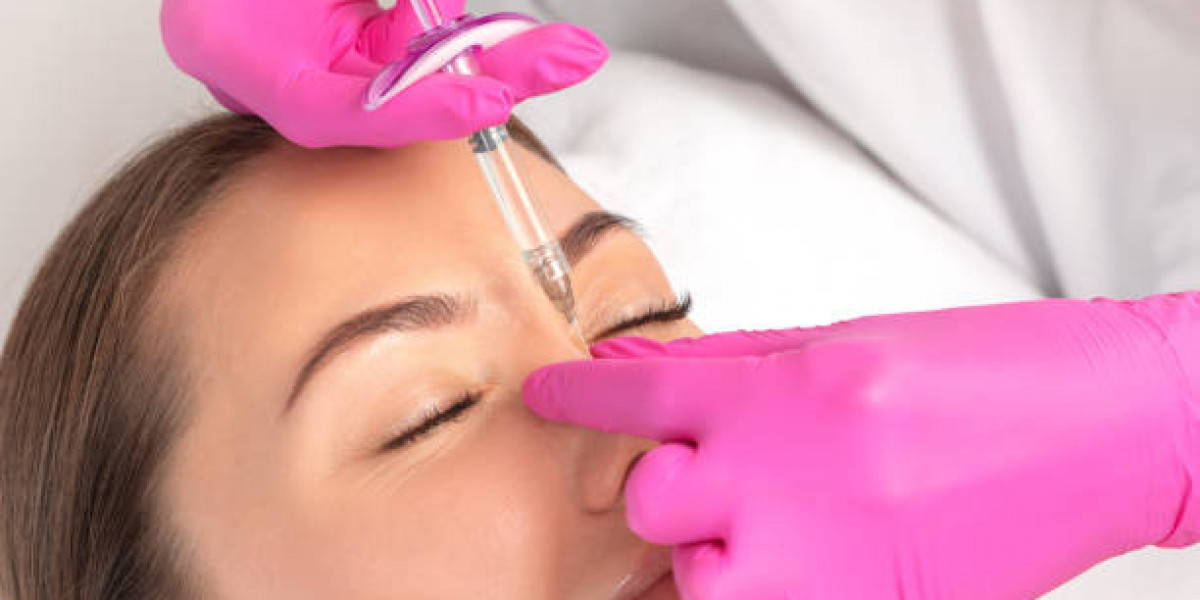

Rhinoplasty is a surgical procedure that changes the shape or structure of the nose for cosmetic or functional reasons. Although many patients are satisfied with their initial results, some may experience persistent concerns, breathing difficulties, or changes in nasal appearance during healing. In these situations, revision rhinoplasty may be considered to address specific problems after the first operation.
Revision rhinoplasty is a secondary nose surgery performed to improve or correct issues following an earlier rhinoplasty. It can involve cosmetic adjustments, structural reconstruction, or improvements to nasal airflow. Patients considering Rhinoplasty in Riyadh should understand that revision surgery is often more complex than an initial procedure and requires careful assessment, realistic expectations, and detailed surgical planning.
What Is Revision Rhinoplasty?
Revision rhinoplasty, also known as secondary rhinoplasty, is performed on a nose that has already undergone surgery. The surgeon evaluates the existing bone, cartilage, skin, and internal structures to determine whether further treatment is appropriate.
The procedure may address an uneven nasal bridge, an irregular tip, visible asymmetry, structural weakness, or breathing problems that developed or remained after the first operation. The specific surgical approach depends on the nature of the concern and the condition of the nasal tissues.
Revision surgery does not necessarily mean the original operation was performed incorrectly. Healing varies between individuals, and scar tissue, changes in tissue support, or differences between expected and actual results can affect the final outcome.
When Is Revision Rhinoplasty Needed?
Revision rhinoplasty may be considered for several reasons, depending on the patient's symptoms, anatomy, and goals.
1. Unsatisfactory Cosmetic Results
Some patients feel that their nose does not match the appearance they discussed before the initial operation. Concerns may include an uneven bridge, excessive or insufficient reduction, an irregular nasal tip, or an imbalance between the nose and other facial features.
A surgeon can assess whether the concern is caused by a lasting structural issue or whether the appearance may continue to improve with time.
2. Persistent Nasal Breathing Problems
Rhinoplasty can sometimes leave a patient with ongoing or new breathing difficulties. These problems may be associated with changes in internal support, narrowing of the nasal passages, scar tissue, or other structural factors.
A specialist should evaluate the cause before recommending revision surgery. Depending on the findings, treatment may involve correcting the nasal septum, improving support within the nose, or addressing another functional problem.
3. Nasal Asymmetry or Irregularities
The nose may heal unevenly, leaving differences between the two sides or creating visible bumps, depressions, or contour irregularities. Some irregularities are related to swelling and may become less noticeable as healing progresses.
If an asymmetry remains after the nose has sufficiently healed, revision surgery may be discussed. The surgeon should explain which changes are realistically achievable.
4. Structural Weakness or Collapse
The nasal framework provides support for both appearance and breathing. If too much supporting tissue was removed during the first procedure, or if the structures heal in an unfavorable way, the nose may develop weakness or collapse in certain areas.
Revision surgery may involve rebuilding support using cartilage grafts or other suitable techniques. The choice depends on the patient's anatomy and the extent of the structural problem.
5. Changes That Develop During Healing
Scar tissue, prolonged swelling, and changes in skin or cartilage healing can influence the final nasal shape. Thick skin may retain swelling for longer, while changes in underlying support can affect the contour.
A surgeon should distinguish temporary healing changes from problems that are likely to persist before recommending another operation.
When Is the Right Time for Revision Rhinoplasty?
In most cases, patients are advised to wait approximately 12 months after the initial rhinoplasty before considering elective revision surgery. The nose can take a year or longer to settle, particularly around the tip, and operating too early may lead to unnecessary procedures or make surgical planning more difficult.
However, the appropriate timing varies according to the original operation, the patient's healing, and the nature of the problem. A breathing issue or another significant complication may require earlier medical evaluation. Do not wait for a routine follow-up date if you develop severe symptoms.
The surgeon should examine the nose and review the original procedure before deciding whether revision is appropriate.
How Is Revision Rhinoplasty Different From Primary Rhinoplasty?
Revision rhinoplasty can be more challenging because the nasal tissues have already been operated on. Scar tissue may obscure normal anatomical planes, and cartilage that could provide support may have been removed or altered during the first surgery.
What Should You Expect During Revision Rhinoplasty?
The process begins with a detailed consultation, including a review of previous surgery, medical history, breathing concerns, and desired changes. The surgeon may examine the inside and outside of the nose and recommend additional investigations if needed.
During surgery, the surgeon makes carefully planned adjustments to address the identified concerns. The exact technique may be open or closed, depending on the complexity and required access.
After the procedure, swelling, bruising, congestion, and tenderness may occur. Recovery instructions and follow-up appointments are essential. Final results can take a year or longer to become clear, and revision surgery cannot guarantee perfect symmetry or complete resolution of every concern.
How to Choose a Revision Rhinoplasty Surgeon
Because revision surgery can involve complex structural changes, look for a licensed surgeon with appropriate specialist training and specific experience in revision rhinoplasty. Ask about similar cases, the proposed surgical plan, potential risks, and whether the procedure may improve breathing as well as appearance.
Patients researching Rhinoplasty in Riyadh should also verify the surgeon's credentials, confirm that the surgical facility meets relevant safety standards, and understand the plan for postoperative care. A responsible specialist will explain the limitations of surgery and may recommend waiting or avoiding further surgery when the expected benefit is limited.
Consultation at Royal Clinic Saudia
Revision rhinoplasty may be an option for patients with persistent cosmetic concerns or nasal function problems after previous surgery. At Royal Clinic Saudia, patients considering Rhinoplasty in Riyadh can arrange a consultation to discuss their concerns, review their surgical history, and explore suitable options. An individualized assessment helps determine whether revision surgery is appropriate and what results may realistically be achieved.
FAQs:
What is the main purpose of revision rhinoplasty?
Its main purpose is to address specific concerns remaining after an earlier nose operation, such as persistent breathing difficulties, structural problems, asymmetry, or unsatisfactory cosmetic results.
How long should I wait before revision rhinoplasty?
Many surgeons recommend waiting around 12 months after the initial operation so swelling can settle and the tissues can heal. The appropriate timing depends on the individual case and should be determined by a qualified specialist.
Is revision rhinoplasty more complicated than the first surgery?
It is often more complex because scar tissue and changes to the nasal framework can make surgery more challenging. The level of difficulty depends on the previous procedure and the problem being corrected.
Can revision rhinoplasty fix breathing problems?
It may improve breathing when a correctable structural issue is identified. A thorough assessment is necessary because not every breathing problem is caused by the previous rhinoplasty, and improvement cannot be guaranteed.