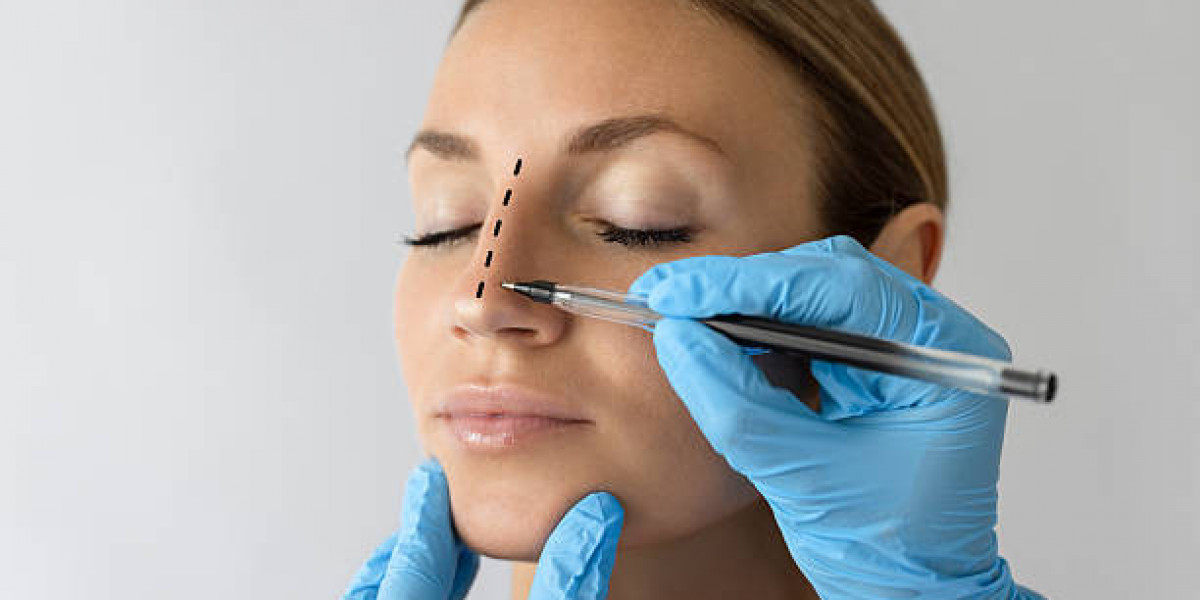

A wide nose can influence the overall balance and proportions of the face, particularly when viewed from the front. Nasal width may involve the bridge, nasal bones, tip, nostrils, or a combination of these structures. For patients considering nose plastic surgery cost in Saudi arabia, understanding what causes a wide nasal appearance and how it may be addressed can help create realistic expectations before treatment.
Rhinoplasty for a wide nose is tailored to each patient's facial structure rather than following one standard approach. Depending on the anatomy, the surgeon may refine the nasal bones, narrow the bridge, reshape the tip, or adjust the nostrils. During Rhinoplasty in Riyadh, the treatment plan is developed to improve nasal proportions while maintaining structural support and, when relevant, healthy nasal function.
What Makes a Nose Look Wide?
Wide Nasal Bones
The nasal bones form part of the upper bridge. If they are naturally broad, the nose may appear wider when viewed from the front. Carefully planned reshaping can sometimes create a narrower appearance.
A Broad Nasal Tip
A wide or rounded tip can contribute significantly to the overall appearance of nasal width. The cartilage supporting the tip may be reshaped to create greater definition while maintaining appropriate support.
Wide Nostrils
The nostrils can also contribute to a wider-looking nose. In selected cases, the appearance of the nostrils may be adjusted as part of the overall rhinoplasty plan.
Skin and Soft Tissue
Skin thickness can influence how much definition is visible after structural reshaping. Patients with thicker skin may experience more swelling and may require additional time for the refined contours to become apparent.
Can Rhinoplasty Make a Wide Nose Narrower?
Rhinoplasty can reduce or refine certain aspects of nasal width when the patient's anatomy is suitable for correction. The procedure may involve changes to the nasal bones, bridge, tip, or nostrils depending on the source of the width.
However, narrowing the nose is not simply a matter of removing tissue. The nasal framework needs adequate structural support, and excessive narrowing may create functional or aesthetic concerns. A carefully planned approach aims to create proportionate refinement rather than an unnaturally narrow appearance.
Can Rhinoplasty Narrow the Nasal Bridge?
Addressing a Broad Bridge
When the upper portion of the nose is wide, the surgeon may use techniques designed to modify the position or shape of the nasal bones. This can create a more refined bridge when appropriate.
Maintaining Balance
The bridge should be considered alongside the nasal tip and facial proportions. Narrowing one area without considering the rest of the nose may produce an unbalanced appearance.
Can Rhinoplasty Make a Wide Nasal Tip More Defined?
A broad nasal tip may sometimes be refined by carefully reshaping or repositioning the underlying cartilage. The objective is to improve definition while preserving the support needed for a stable nasal structure.
The amount of visible refinement depends partly on skin characteristics. Thicker skin can soften the appearance of underlying structural changes, meaning that patients should have realistic expectations about how sharply defined the tip may become.
Can Rhinoplasty Reduce Wide Nostrils?
In selected patients, rhinoplasty may include techniques to modify the appearance or width of the nostrils. This can be considered when the nostrils are a significant contributor to the overall nasal width.
Nostril refinement requires precision because excessive reduction can affect the natural shape of the nose. The surgeon evaluates the nostrils in relation to the tip, bridge, and other facial features before deciding whether this type of correction is appropriate.
What Happens During Rhinoplasty for a Wide Nose?
Detailed Nasal Assessment
Before surgery, the surgeon evaluates the nose from the front, side, and other angles. Bone structure, cartilage, skin thickness, nostril shape, facial proportions, and breathing concerns may all be considered.
Customized Structural Changes
The surgical technique depends on where the width originates. Some patients may need changes to the nasal bones, while others may benefit from tip refinement, nostril adjustment, or a combination of techniques.
Preserving Nasal Support
Structural stability is an essential part of rhinoplasty. The surgeon must balance the patient's desired appearance with the need to maintain an appropriate nasal framework and function.
Is Wide Nose Rhinoplasty Different for Every Patient?
Yes. A wide nose can have different underlying causes, so the surgical approach cannot be identical for everyone. Two patients may both describe their noses as wide but require completely different corrections.
Facial proportions are also important. The ideal degree of narrowing for one patient may not be suitable for another. Personalized planning helps the surgeon determine how much change is appropriate for the individual's features.
What Should You Expect After Wide Nose Rhinoplasty?
Swelling and bruising are common during the early recovery period and can temporarily make the nose appear wider than expected. This is especially important to remember when the procedure involves work on the nasal bones or tip.
As swelling gradually decreases, the contours become clearer and the nose begins to appear more refined. Early postoperative appearance should not be treated as the final result because healing continues for an extended period.
How Long Does It Take to See a Narrower Appearance?
Some changes may become noticeable after the initial swelling begins to settle, but the final degree of refinement takes longer to develop. The tip can remain swollen for longer than other parts of the nose.
Individual healing varies according to the surgical technique, skin thickness, extent of correction, and the body's response to surgery. Follow-up appointments allow the surgeon to assess progress throughout recovery.
Can a Wide Nose Be Narrowed Without Affecting Breathing?
The nasal framework has both cosmetic and functional roles, so structural changes must be carefully planned. A surgeon should consider how any narrowing may affect the internal nasal passages and overall support.
Patients who already experience breathing difficulties should mention them during consultation. This allows functional concerns to be evaluated alongside cosmetic goals before a surgical plan is developed.
Can a Wide Nose Become Wide Again After Rhinoplasty?
The structural changes created during rhinoplasty are generally intended to be long-lasting. However, the nose can naturally change as tissues mature and age, and significant trauma can affect the surgical result.
Temporary postoperative swelling can also make the nose look wider during the early recovery period. This does not necessarily mean that the final result will remain wide.
How Can You Prepare for Wide Nose Rhinoplasty?
Preparation begins with a detailed consultation and a clear discussion of your desired level of refinement. Patients should explain what they dislike about their nasal width and whether their concerns are mainly related to the bridge, tip, nostrils, or overall appearance.
Following preoperative instructions is equally important. Your surgical team may provide guidance regarding medications, supplements, smoking, eating, and other aspects of preparation. Planning adequate recovery time can also make the postoperative period more manageable.
What Should You Know About Rhinoplasty for a Wide Nose?
Rhinoplasty can address several contributors to a wide nasal appearance, including broad nasal bones, a wide bridge, a broad tip, or wide nostrils. The appropriate approach depends on the patient's anatomy and desired outcome.
The goal is not necessarily to create the narrowest possible nose. Instead, careful surgical planning aims to improve proportions and facial harmony while preserving appropriate nasal structure. With individualized treatment, Rhinoplasty in Riyadh can provide meaningful refinement for patients concerned about nasal width while maintaining a natural-looking result.
Book an Appointment at Royal Clinic Saudia
If you are concerned about a wide nose and want to understand whether rhinoplasty may be suitable for you, Royal Clinic Saudia can provide personalized guidance. Schedule a consultation to discuss your nasal structure, treatment goals, potential techniques, recovery, and expected results.
FAQs:
Can rhinoplasty make a wide nose smaller?
Rhinoplasty can reduce or refine certain aspects of nasal width when appropriate for the patient's anatomy. The amount of change depends on the underlying bone, cartilage, skin, and facial proportions.
Can rhinoplasty narrow a wide nose from the front?
Yes. Depending on the cause of the width, surgery may address the nasal bones, bridge, tip, nostrils, or several areas together to create a more refined frontal appearance.
Does thick skin affect wide nose rhinoplasty results?
Skin thickness can influence how clearly structural changes become visible. Thicker skin may retain swelling longer and can make very sharp definition more difficult to achieve.
Will narrowing my nose affect breathing?
The nasal framework contributes to breathing and structural support, so narrowing must be carefully planned. Patients with existing breathing concerns should discuss them with their surgeon before surgery.