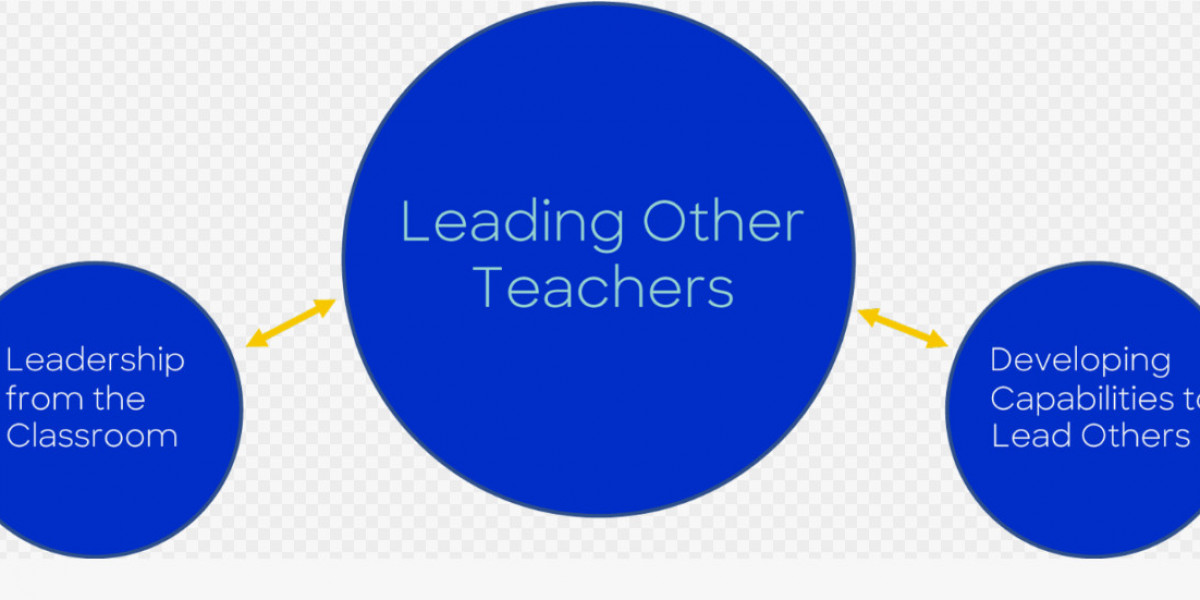

Strong schools are built by strong educators, but effective leadership does not have to come only from the principal’s office. Teachers who guide colleagues, support instructional improvement, and contribute to school-wide decision-making can have a meaningful impact on student learning. This is where Teacher Leader Development and leadership coaching become valuable.
When educators receive the right training, feedback, and support, they can grow into confident teacher leaders who help create a culture of collaboration and continuous improvement. Leadership coaching can provide the structure needed to turn leadership potential into practical action.
What Is Teacher Leader Development?
Teacher Leader Development is the process of preparing and supporting teachers to take on leadership responsibilities while continuing to focus on teaching and learning. A teacher leader may serve as a mentor, instructional coach, department leader, curriculum specialist, team facilitator, or professional learning leader.
Teacher leaders often have a close understanding of classroom realities. They work directly with students and understand the challenges that teachers face every day. Because of this experience, they can help connect school improvement goals with practical classroom strategies.
Effective development programs can focus on several areas, including:
- Communication and collaboration
- Instructional leadership
- Mentoring and peer support
- Data-informed decision-making
- Conflict resolution
- Professional learning
- Goal setting and action planning
- Building trust among educators
The goal is not simply to give teachers additional responsibilities. It is to develop the knowledge and skills they need to influence instruction and support their colleagues effectively.
Why Teacher Leaders Matter
Teachers have an important role in shaping the culture of a school. When teachers are encouraged to share ideas, lead professional learning, and collaborate on instructional challenges, schools can benefit from a broader range of experience and expertise.
Teacher leaders can help identify classroom challenges and bring those concerns into school improvement conversations. They can also help colleagues test new instructional approaches, reflect on results, and make adjustments.
For example, a teacher leader might organize a professional learning session about student engagement. Instead of presenting general information, the teacher leader could work with colleagues to examine classroom examples, discuss challenges, develop strategies, and review student responses over time.
This practical approach can make professional learning more connected to everyday teaching.
The Role of Leadership Coaching
Developing leadership skills often requires more than a workshop or one-time training session. Leadership coaching provides ongoing support as educators apply what they have learned.
A leadership coach can help an emerging teacher leader examine goals, identify challenges, develop strategies, and reflect on progress. Coaching conversations can create a confidential space where educators can think through difficult situations before taking action.
Leadership coaching may include:
- Goal setting: Defining specific leadership and instructional goals.
- Reflection: Examining current practices and identifying opportunities for growth.
- Planning: Creating practical steps for addressing challenges.
- Feedback: Reviewing actions and considering different approaches.
- Follow-up: Monitoring progress and adjusting strategies when needed.
This process helps make leadership development an ongoing experience rather than a single event.
Connecting Leadership Development to Instruction
Teacher leadership should remain connected to the central purpose of education: helping students learn and grow.
Leadership coaching can help teacher leaders connect their responsibilities to instructional priorities. Rather than focusing only on administrative tasks, educators can learn how to facilitate meaningful conversations about curriculum, assessment, classroom practices, and student needs.
For instance, a teacher leader working with a grade-level team might help teachers review student work and identify common areas of difficulty. The team could then discuss possible instructional responses and determine how to monitor progress.
The teacher leader does not need to provide every answer. Instead, the leader helps create a process through which educators can learn from evidence and from one another.
Building Communication Skills
Communication is one of the most important parts of teacher leadership. A teacher may be highly effective in the classroom but still need support when facilitating meetings, giving feedback, managing disagreement, or presenting ideas to colleagues.
Leadership coaching can provide opportunities to practice these skills.
A coach might help a teacher leader prepare for a difficult conversation by considering:
- What is the purpose of the conversation?
- What information needs to be shared?
- How might the other person respond?
- What questions could encourage dialogue?
- How can the conversation remain focused on student and instructional needs?
These skills can help teacher leaders build stronger professional relationships.
Creating a Culture of Collaboration
Teacher Leader Development can also contribute to a collaborative school culture. Collaboration works best when educators feel that their knowledge and experiences are valued.
Teacher leaders can support collaboration by creating opportunities for colleagues to:
- Share successful classroom practices
- Discuss instructional challenges
- Examine student work
- Plan lessons together
- Observe teaching practices
- Reflect on professional goals
- Develop shared solutions
Leadership coaching can help teacher leaders facilitate these activities in ways that encourage participation rather than simply directing the conversation.
Developing Leadership at Different Stages
Not every teacher begins leadership development with the same experience or goals. Some educators may be preparing for their first formal leadership role, while others may already be leading teams or professional learning communities.
A strong development approach can therefore be adapted to different stages.
Early-stage teacher leaders may need support with communication, meeting facilitation, and confidence. More experienced leaders may benefit from coaching around strategic planning, organizational improvement, and developing other leaders.
This personalized approach allows professional development to address actual needs rather than relying on a one-size-fits-all model.
Measuring Progress
Teacher leadership initiatives should have clear goals. Schools can consider both leadership development and instructional outcomes when evaluating progress.
Possible indicators include:
- Participation in professional learning
- Teacher collaboration
- Completion of leadership goals
- Implementation of instructional strategies
- Teacher feedback
- Student engagement
- Student learning data
- Progress toward school improvement goals
Measurement should be used as a learning tool rather than simply as a way to judge individuals. Regular reflection can help teacher leaders determine what is working and where adjustments are needed.
Supporting Sustainable School Improvement
Leadership development becomes more sustainable when schools create systems that support teacher leaders over time. Clear expectations, dedicated collaboration time, coaching, professional learning, and opportunities to practice leadership can all contribute to this process.
School leaders can also recognize that teacher leadership is not about replacing formal administrators. Instead, it can complement administrative leadership by distributing expertise throughout the school.
When more educators have opportunities to lead, schools can develop a stronger internal capacity for solving problems and supporting instructional improvement.
Conclusion
Teacher Leader Development and leadership coaching can work together to help educators grow as instructional leaders, collaborators, mentors, and problem-solvers. Development provides the skills and knowledge, while coaching offers continued reflection and support as those skills are put into practice.
The strongest teacher leadership efforts are connected to real school needs. They give educators meaningful opportunities to contribute, encourage collaboration, and keep student learning at the center of decision-making.
By investing in teacher leaders and providing consistent coaching, schools can create professional environments where educators learn from one another and take an active role in continuous improvement. Over time, this shared approach to leadership can strengthen both professional practice and the systems that support better educational outcomes.