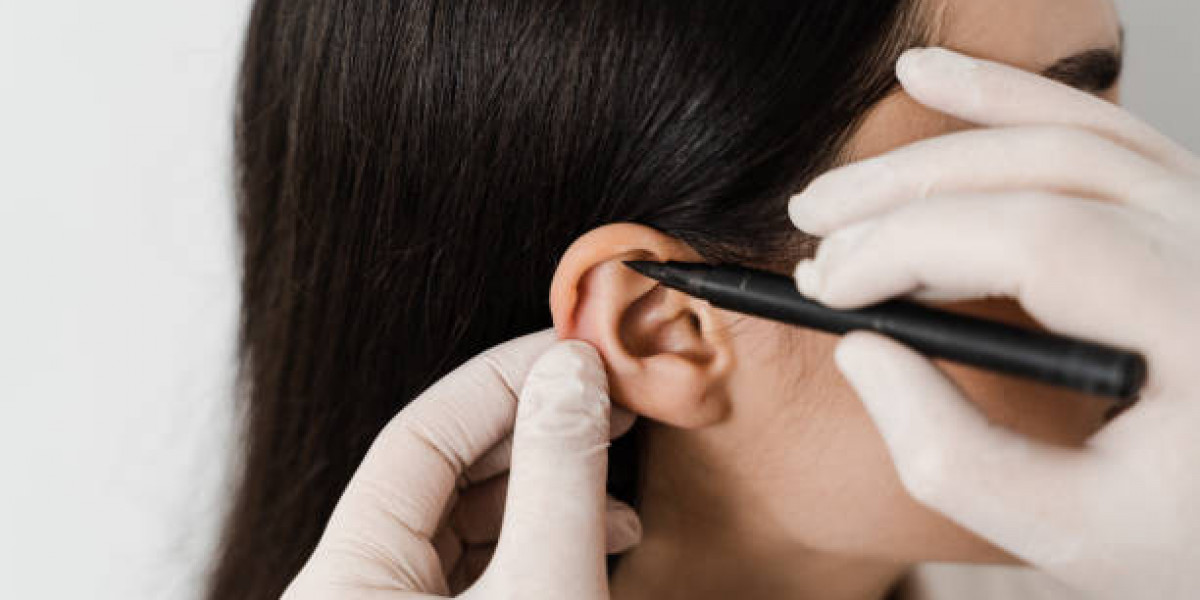

Large or prominent ears can make the ears appear more noticeable in relation to the face and head. While natural variation in ear size and position is common, some people may seek surgery when the appearance of their ears causes a cosmetic concern. Otoplasty, also called ear surgery, can reshape or reposition the ears to create a more balanced appearance. Patients considering Ear Cosmetic Surgery in Riyadh (جراحة تجميل الأذن في الرياض) can discuss their specific concerns with a qualified surgeon to understand what type of correction may be appropriate.
Ear surgery does not necessarily make the entire ear smaller. Instead, the procedure may address how much the ears project from the head, reshape specific cartilage areas, or modify proportions where appropriate. During Ear Cosmetic Surgery in Riyadh, the surgical approach is customized according to the patient's anatomy, ear structure, and desired outcome. A detailed consultation helps determine whether reshaping, repositioning, or a combination of techniques is suitable.
What Are Large or Prominent Ears?
The terms large and prominent describe different characteristics. An ear may appear large because of its overall dimensions, while a prominent ear may stand farther away from the head.
Prominent Ears
Prominent ears project outward more noticeably from the sides of the head. This can result from the shape of the cartilage, an underdeveloped natural fold, or the angle between the ear and head.
Large Ears
Large ears may have greater overall height, width, or proportions compared with the surrounding facial features. Whether surgery can change these dimensions depends on the individual's anatomy and treatment goals.
Can Ear Surgery Make Prominent Ears Less Noticeable?
Yes, otoplasty can often reduce the appearance of prominent ears by changing their position and shape. The procedure is planned to create a more balanced relationship between the ears and head.
Repositioning the Ears
The surgeon may bring the ears closer to the head by adjusting the cartilage and securing the ears in a new position. The goal is generally a natural angle rather than making the ears completely flat.
Reshaping Ear Cartilage
If the cartilage contributes to prominence, it may be reshaped to create more defined and balanced contours. The exact technique depends on the structure of the ear.
Can Surgery Reduce Ear Size?
In selected cases, surgical techniques may address certain aspects of ear size. However, the amount and type of reduction possible depend on the patient's anatomy.
Addressing Specific Proportions
The surgeon may determine whether certain areas of the ear can be modified safely. The objective is to improve proportion while preserving a natural-looking ear structure.
Not Every Large Ear Needs Reduction
An ear can appear large because of its position rather than its actual dimensions. Repositioning the ear may therefore create a more balanced appearance without significant size reduction.
How Does Otoplasty Correct Prominent Ears?
Otoplasty uses techniques that modify the cartilage responsible for the ear's shape and position. The surgical plan is based on the characteristics of each patient's ears.
Cartilage Modification
The surgeon may fold, sculpt, score, or otherwise reshape cartilage to create the desired contour. Sutures can help maintain the new shape during healing.
Adjusting the Ear Angle
When the ears extend too far outward, changing the angle between the ear and head can make them appear less prominent. This can improve overall facial balance.
What Results Can Patients Expect?
The results depend on the initial ear structure and the type of correction performed. Patients may notice a difference soon after surgery, but swelling can temporarily affect the appearance.
A More Balanced Appearance
The aim is generally to make the ears less prominent and better proportioned with the face. The desired outcome should look natural rather than excessively altered.
Improvement Rather Than Perfect Symmetry
Minor differences between the ears are normal. Surgery can improve noticeable asymmetry, but perfectly identical ears are not usually a realistic goal.
What Is Recovery Like After Ear Surgery?
Recovery involves protecting the ears while the cartilage and surrounding tissues heal. Swelling, bruising, tenderness, and temporary sensitivity may occur during the early stages.
Protect the Ears
Patients may need to follow instructions regarding dressings, protective headbands, sleeping positions, and physical activity. Avoiding pressure and accidental impact is especially important.
Allow Time for Healing
The ears may look different during the first part of recovery because of swelling and temporary tissue changes. The final appearance becomes clearer as healing progresses.
How Long Do the Results Last?
Otoplasty is intended to create long-lasting structural changes to the ears. Once healing is complete, the reshaped or repositioned cartilage can remain stable for many years.
Natural Aging
The ears continue to experience normal aging after surgery. Changes in skin elasticity and surrounding tissues may gradually influence their appearance over time.
Protecting the Surgical Result
Avoiding significant trauma and following postoperative instructions can help protect the ears, especially during the initial healing period.
Who May Be a Candidate for Ear Surgery?
Adults and appropriately developed younger patients may consider otoplasty when they have concerns about prominent, uneven, or unusually shaped ears. Suitability must be determined through an individual assessment.
Realistic Expectations
Patients should understand what surgery can and cannot change. A consultation allows the surgeon to discuss achievable improvements and limitations based on ear anatomy.
General Health
A patient's overall health, medical history, and ability to follow postoperative instructions are important considerations when planning elective surgery.
What Should You Ask Before Ear Surgery?
A consultation is an opportunity to understand the planned procedure and recovery process. Patients should feel comfortable discussing their concerns and expectations with the surgeon.
Questions About Technique
Ask how the ears will be reshaped or repositioned and whether cartilage modification or size adjustment is planned. Understanding the approach can make the treatment process clearer.
Questions About Recovery
Discuss sleeping positions, work, exercise, wound care, follow-up appointments, and potential complications before surgery. Knowing these details can help you prepare properly.
Book Your Appointment at Royal Clinic Saudia
Ear surgery can address prominent ear position and, in selected cases, specific concerns related to ear proportions or shape. If you are considering Ear Cosmetic Surgery in Riyadh, Royal Clinic Saudia (عيادات رويال كلينك) can provide a personalized consultation to assess your ears, discuss suitable surgical techniques, and explain expected recovery and results. Book an appointment to learn more about your treatment options and whether ear surgery may be appropriate for your goals.